
Trending
- Zimbabwe edges closer to arrears payment, debt restructuring and reset of ties with IMF
- Tanzania coffee industry mulls commercializing wastes to spur fresh revenue streams
- Reasons for African Currencies Growing in Significance for Business Decisions
- Nairobi forum launches push to close Africa’s climate protection gap
- East Africa’s lessons from India’s economic growth playbook
- Tanzania and Serbia to revive falling trade relations
- TotalEnergies commits $10 billion to Angola as fresh oil find comes on stream in three months
- In Africa, the conversations defining corporate reputation are going on in channels most CEOs cannot see


Browsing: Kenya

The medical insurance industry in Kenya is exploding taking advantage of a growing digital sphere to introduce affordable covers. Carepay, the…

The Paris Club (Club de Paris), a group of officials from major creditor countries has approved Kenya’s request for more debt relief to help…
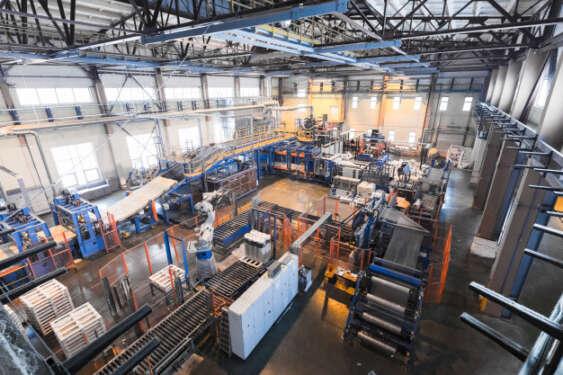
The Kenya Association of Manufacturers urged the government of Kenya to urgently address the way to economic recovery following the…
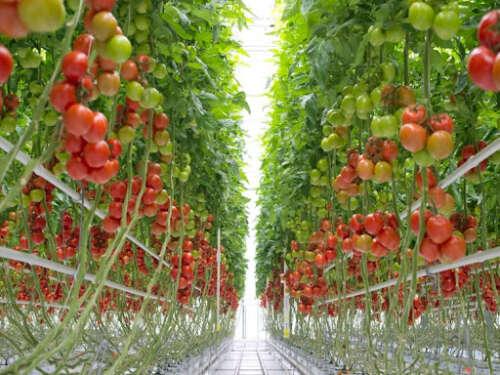
The East African region is primarily agricultural-based with the sector contributing an average of two-thirds of GDP and providing jobs to the majority of citizens. It is a key tax earner for governments and serves as a solid base under which the region’s industries are based. Agribusiness contributes about 25 per cent of Africa’s GDP and a staggering 70 percent of its employment.
Global food demand is expected to increase by somewhere between 59 percent and 98 percent by 2050 as the world population reaches an estimated 9.7 billion.
Most of the region’s countries have an ideal climatic condition for agriculture and mainly rely on rain-fed agriculture. Kenya, the most developed economy in the region which interestingly has a diversified economy more than just agriculture is least endowed in rain-fed agriculture compared to Tanzania, Rwanda, and Uganda.

For many businesses, 2020 would be a year they would not want to remember. The COVID-19 pandemic ravaged most of…
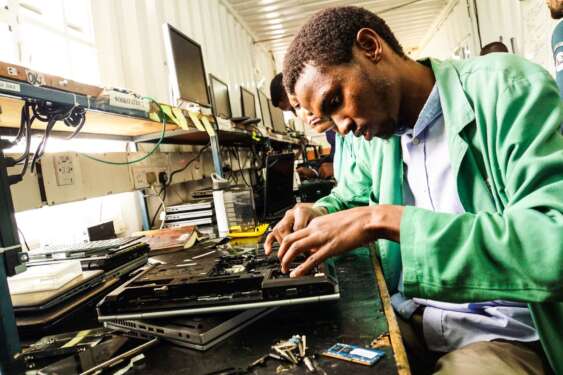
According to the Global E-Waste Monitor Report, in 2019 the world generated 53.6 million metric tonnes (Mt) of electronic waste (e-waste), and only 17.4 per cent was recycled through appropriate channels. Africa in particular lacks formal governance to support e-waste management.
Households in Africa generated 2.9 Mt of e-waste in 2019, of which only 0.9 per cent was reported to be collected and recycled by the formal sector. Discarded equipment such as phones, laptops, fridges, sensors and televisions contain substances that pose serious environmental and public health risks, particularly if treated inadequately.
Top 8 Kenya newspapers Newspapers and media are considered the fourth pillar of a democratic nation as they provide all…
Looks like Kenya is in for a tough run in the coming financial year or maybe even for a longer span. Kenya needs to borrow to meet its budgetary needs. The International Monetary Fund (IMF) is willing to lend but wants structural and governance reforms for Kenyan state-owned enterprises. How did Kenya get into this tough spot? Officials blame it on Covid-19 and the global slowed-down economy that resulted from the pandemic. Granted, economies took a hit from the pandemic but despite that fact in mind, reason still begs to understand what of the IMF loans that were issued specifically to help countries muzzle down the negative effects of the pandemic?
Notably, at the onset of the pandemic in March 2020, Kenya received a whopping $739 million loan from the IMF. The money was specifically meant to help cushion the Kenyan economy from the adverse effects of the Covid-19 pandemic. Now the IMF says Kenya is being lax.

As of October last year, Tanzania, East Africa’s Largest producer of cement, was facing so much shortage that prices almost doubled.
A 50kg bag of cement that would, on normal market weather conditions go for about USD 6 the price shot up 30 per cent to a little over USD 8, show the National Bureau of Statistics data for October 2020.
It was a paradox, and the hardliner government wouldn’t have it, newly re-appointed into power, Tanzania’s Prime Minister Kassim Majaliwa was swift to act. He ordered a nationwide inspection of all known cement factories, warehouses, distribution points and even retail shops.

Africa’s vast lands have for a long time not been exploited for agricultural production. In fact, 61% of the world’s unused arable land is found in Africa. Little effort is being made to exploit this vast resource to feed the continent. On the flip side, the Food and Agriculture Organization says 239 million people in the region were undernourished as of 2018.
Since long before the COVID-19 pandemic, these chronic food crises have been driven by a variety of factors, including economic shocks, climate, and conflict, according to Brookings Institute.