
Trending
- African governments drive new forest finance progress as global report warns funding globally must scale faster
- Fine Spinners eyes Kenya’s Agoa-backed apparel supply chain with $5m plant
- Why young Kenyan investors need to stop treating the stock market like a betting slip
- Tanzania tax reforms mandate VAT refunds to under 30 days
- In New York, world leaders unveil plan to overhaul global health architecture
- Minisend grows Kenya presence as official payment partner of Africa Blockchain Festival 2026
- UN resolution challenges world maps that make Africa look smaller
- Zimbabwe edges closer to arrears payment, debt restructuring and reset of ties with IMF


Browsing: Morocco
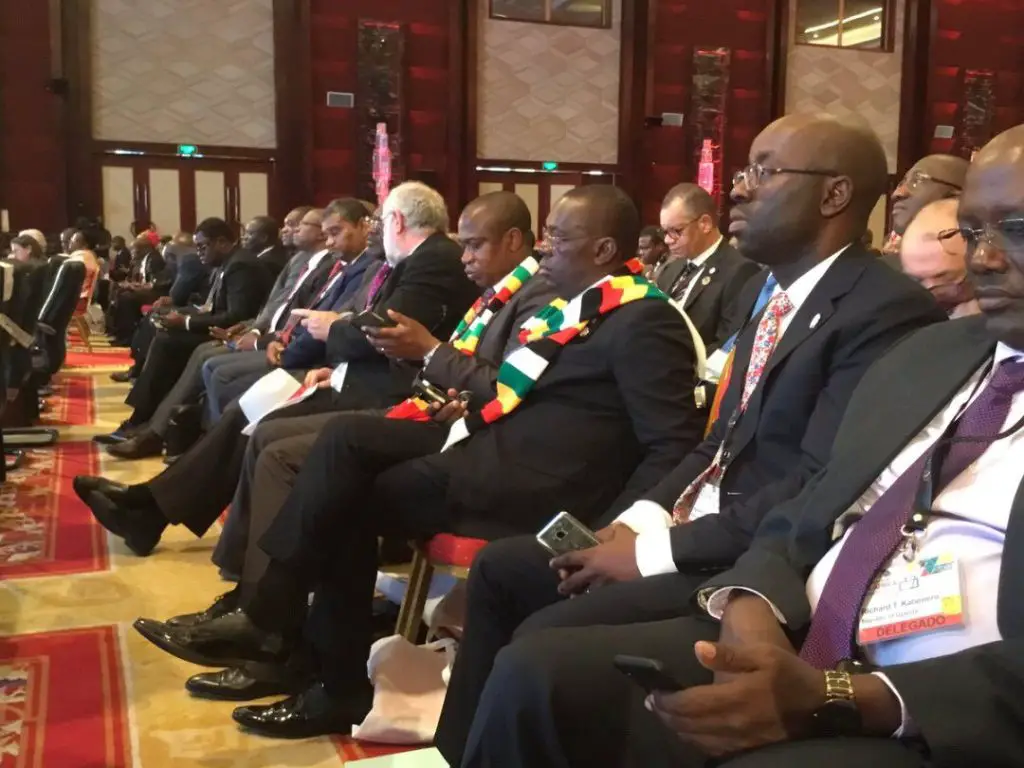
The summit that will be held from Tuesday, July 19, until Friday, July 22, will focus on economic recovery post-COVID-19…

The Africa Green Hydrogen Alliance targets accelerating the transition from fossil fuels overreliance that has made the continent reluctant, as…

Over the years, Morocco has been riding on its strategic position on Europe’s edge to build its success on low-cost…

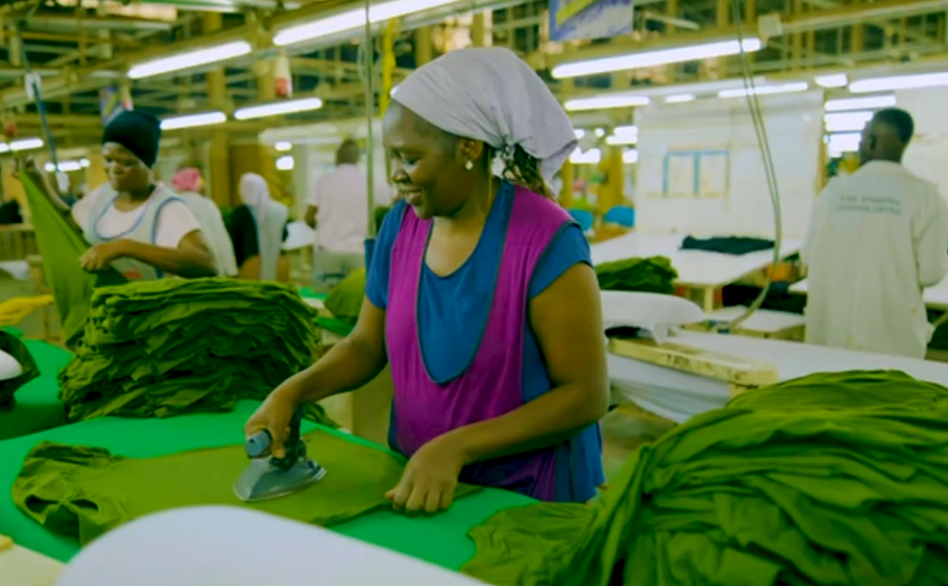
Africa’s fashion and textile industry is the second-largest sector after agriculture with an estimated market value of US$31 billion The…
The agreement places a premium on the expansion of the collaboration, particularly in renewable energy. Additionally, collaboration opportunities will be discovered in the areas of energy efficiency, energy technology, the hydrogen economy, flexible energy systems, storage solutions, integration technologies, hydrogen and Power-to-X, and research and development.
The two ministries will endeavor to expedite the formation of partnerships between bilateral agencies and businesses to execute cooperative initiatives in innovation, research, and development. Renewable energy, energy efficiency, and energy systems are critical components of a prosperous society. Finland has established considerable expertise in these domains, and it makes sense to foster this practical cooperation with Morocco.
While Russia’s preferred visions and modes of action in the Maghreb seem to be fairly well identified, the perceptions and expectations, but also the possible reservations on the Maghreb are more rarely expressed by the leaders of these countries and little-studied at the academic level.
Perhaps we should look at this, as far as the powers that be are concerned, a concern for discretion regarding the sensitive aspects of this foreign policy component – this is particularly true for Algeria – an area on which they generally communicate little and for the academic research community in North Africa, a lack of knowledge related to the history, geography and culture of contemporary Russia.
If there is undoubtedly, on the Maghreb side and with important nuances from one country to another, a manifest interest in a development or a deepening of the partnership with Moscow, questions may remain about Russia’s objectives, especially in Rabat and Tunis.
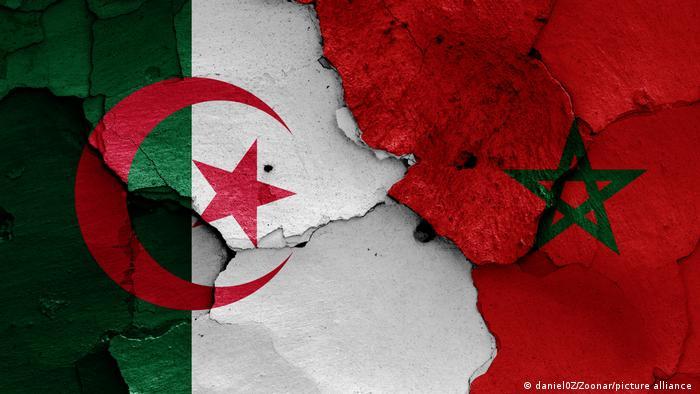
The Spain energy crisis comes after Algeria cut off natural gas supply through the Gaz-Maghreb-Europe (GME) pipeline.
Algeria President Abdelmadjid Tebboune authorized Sonatrach (state energy firm) to stop gas exports to Spain through the pipeline that transverses through Morocco to Spain, due to tensions with Rabat, accusations that Morocco denied.
The 1400 km GME pipeline has been in operation for over 55 years, delivering billion cubic metres per year to Portugal and Spain.
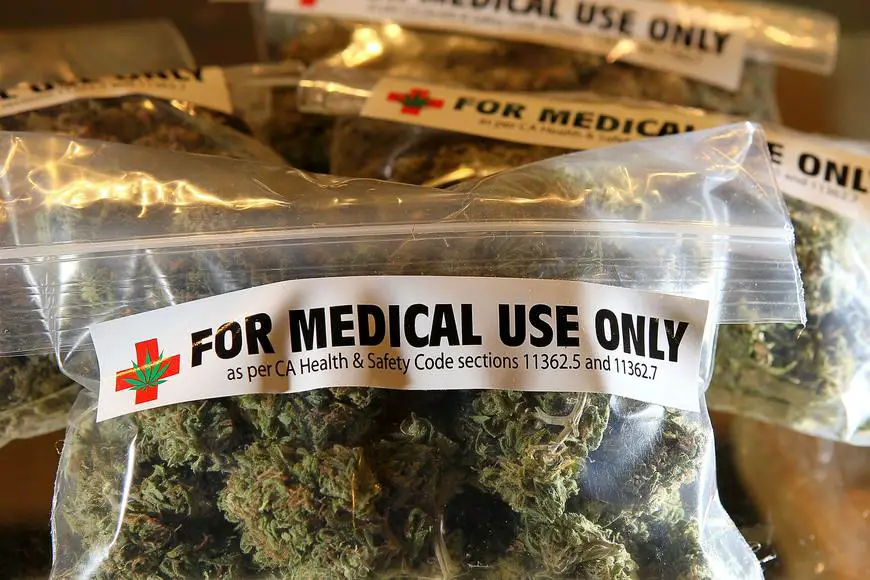
In June 2020, South Africa got the trial of marijuana off the ground as part of the six herbs that could effectively fight the COVID-19 pandemic.
A 2020 report by the research firm estimates that the marijuana market will be based majorly in the following five countries.
Market size would generate as follows if the required legislations take effect: Nigeria (US$3.7 billion), South Africa (US$1.7 billion), Morocco (US$900 million), Lesotho (US$90 million), and Zimbabwe (US$80 million).
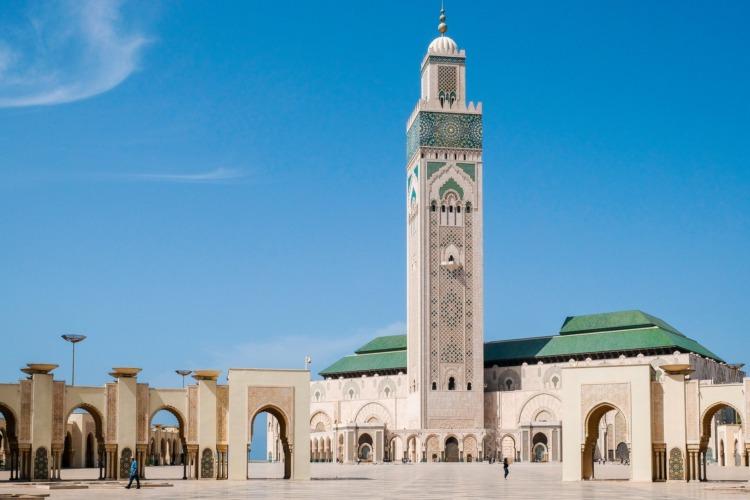
North Africa GDP was negative -1.1 per cent (2020) and -5.1 percentage point drop over 2019 But the region is…
In most OECD countries, commercialization of research and innovation is very commonplace and is a foundation to establish national, region and global tech and industrial titans.
Where is Africa with this strategy? And, how can Africa engage and attract its diaspora professionals to scale ground breaking research innovations that can scale and solve local problems?
Furthermore, these African researchers work on projects that have the potential to impact Africa and mankind. Think about all the lifesaving medications we take every day, yes, an African researcher may have research or an innovation in Life Science that could save thousands or even millions of lives per year. In tropic Africa, we have the largest biodiversity in the world – can an enzyme from a plant with the help from the latest Artificial Intelligence, come up with the next billion-dollar drug?