
Trending
- African governments drive new forest finance progress as global report warns funding globally must scale faster
- Fine Spinners eyes Kenya’s Agoa-backed apparel supply chain with $5m plant
- Why young Kenyan investors need to stop treating the stock market like a betting slip
- Tanzania tax reforms mandate VAT refunds to under 30 days
- In New York, world leaders unveil plan to overhaul global health architecture
- Minisend grows Kenya presence as official payment partner of Africa Blockchain Festival 2026
- UN resolution challenges world maps that make Africa look smaller
- Zimbabwe edges closer to arrears payment, debt restructuring and reset of ties with IMF


Browsing: premium
Economic transformation in Zimbabwe requires the nation to look carefully at where the rest of the world is going. The rest of the world…

Economies perform better when their fate is secured, in other words—sustainable growth performs better under the crucial reassurance of insurance. …
It is almost inconceivable and rather far-fetched to associate Africa with nuclear proliferation, yet ahead of the forthcoming International Day against…
Other world markets followed suit documenting record lows across the board. On the Johannesburg Stock Exchange (JSE), Business Day reported that the worst losses around the same period were approximately ZAR3.3 trillion which was at that time around two-thirds of South Africa’s GDP.
“SA’s main stock index plunged almost 10% on Thursday (12th March 2020), the biggest drop since October 1997 when global markets were in the midst of the Asian financial crisis.”
Low confidence in established financial institutions like banks and savings cooperatives was evident in the survey as they scored a meagre 0.4 per cent and 1.3 per cent as sources of funding for the predominantly informal sector that dominated household enterprises.
Many of the doubts these business owners have towards expanding their businesses are down to the strained relationship these entrepreneurs have with financial institutions like banks.
Practically speaking, it is not difficult to invest offshore. It is not illegal. It is perfectly legal.
There are no guarantees that investments made offshore will perform better than those available locally. FNB the South African bank says that diversifying share portfolio geographically has similar benefits to diversifying across asset classes.
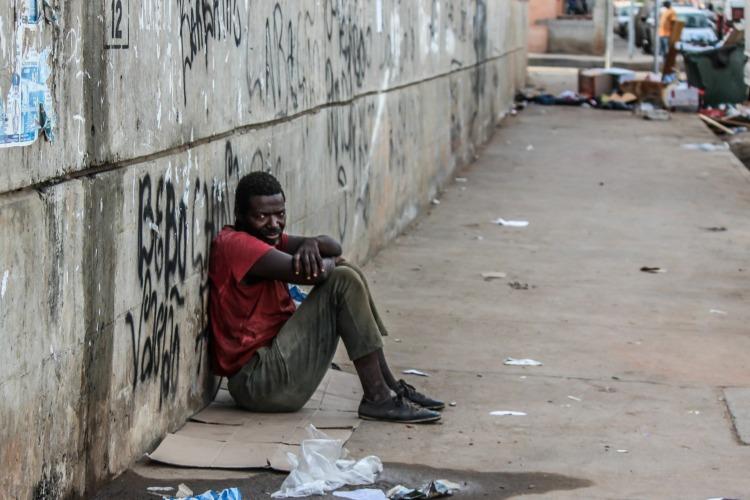
If the world is unfair was a fact, then this statement would establish the truth without a doubt as, “there are more than twenty-one hundred…
Whatever the reason, the outcome was that most notable BEE transactions went to Patrice Motsepe’s African Rainbow Minerals and Ubuntu Botho Investments, Tokyo Sexwale’s Mvelaphanda Holdings and the current President Cyril Ramaphosa’s Shanduka Investments which is now part of the Pembani Group.
Legislated empowerment whose focus was primarily on ownership levels produced heavily skewed results towards benefitting political stalwarts and not the broader masses that were previously disadvantaged during apartheid.
The financial services space is being disrupted by new entrants that are nimble and more innovative. The overwhelming result of this has been the closure of bank branches right across the broad spectrum of the banking sector and across the country.
Whenever a branch closes press space is taken up by the banks running adverts citing the growth and advent of mobile technology to be the cause of bank branch closures. To the passive reader it would then look as though technological advancements, growth, and adoption together with the prosperity of banks with respect to their branch networks are mutually exclusive.
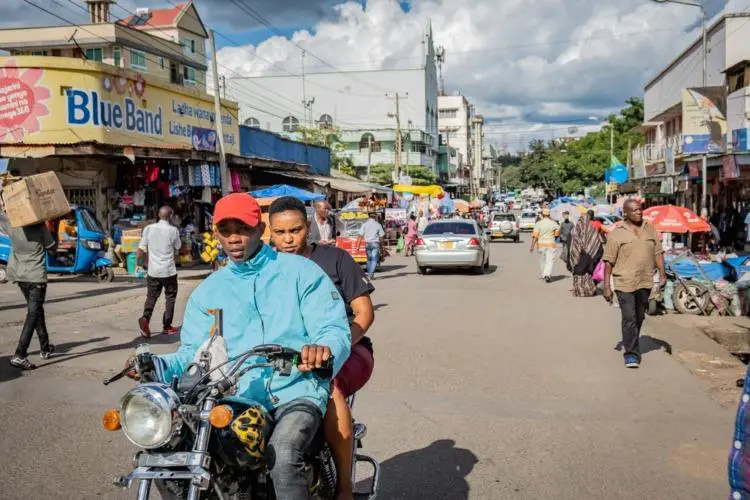
Tanzania, one of the fast-growing economies across the African continent ascended to a low-middle income country status (LMIC) in 2020, amid COVID-19 pandemic shocks. …