

Trending
- AI’s Dual Capacity and a Strategic Opportunity for African Peace and Security
- How African economies dealt with the 2025 debt maturity wall
- Africa’s Green Economy Summit 2026 readies pipeline of investment-ready green ventures
- East Africa banks on youth-led innovation to transform food systems sector
- The Washington Accords and Rwanda DRC Peace Deal
- Binance Junior, a crypto savings account targeting children and teens debuts in Africa
- African Union Agenda 2063 and the Conflicts Threatening “The Africa We Want”
- New HIV prevention drug is out — can ravaged African nations afford to miss it?


Browsing: South Africa
In recent months, the discourse about de-dollarisation has gained momentum. The sanctions against Russia have exposed the danger of over-dependence on the US dollar in international trade. The recent foreign exchange challenges have also recharged the growing efforts to bolster other currencies.
De-dollarisation could soon become a reality. A BRICS substitute to the dollar could enjoy high prospects for success, a former White House adviser, Joseph Sullivan, has noted. Sullivan served as a staff economist at the White House Council of Economic Advisers during the Trump administration. According to him, a potential BRICS currency poses a unique threat to the dominance of the US dollar in international trade.
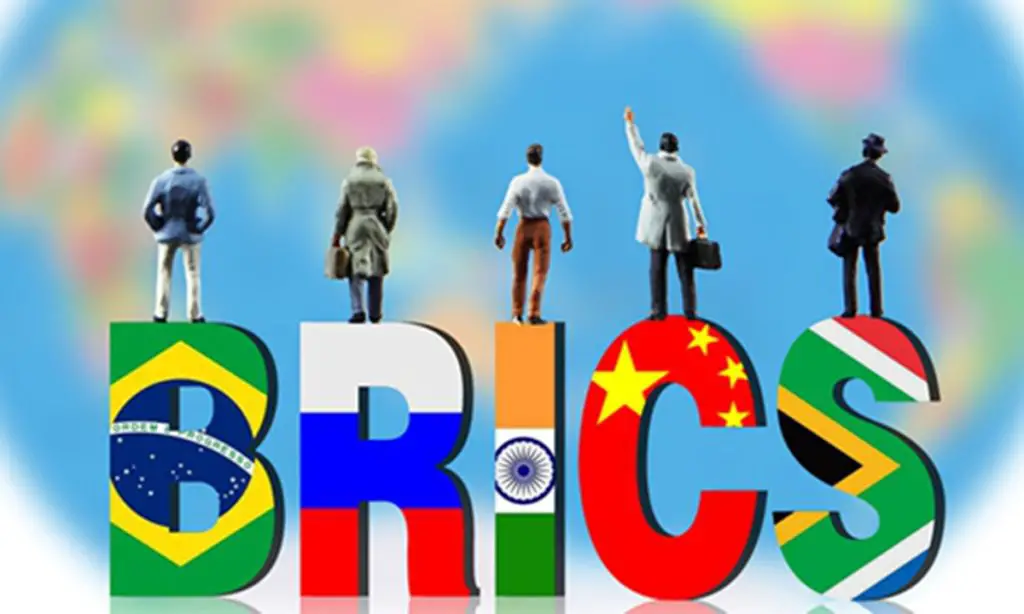
The global financial landscape has undergone a remarkable transformation in recent times. Remarkably, the issue of the de-dollarization of international trade is slowly but steadily gathering momentum. A rising trend toward de-dollarization is challenging the longstanding supremacy of the United States in the international financial system. As the dominant global reserve currency, the US dollar remains pivotal in international trade, investment, and financial transactions.
The South African Revenue Service (SARS) has exceeded the 2022 revenue collection by R123 billion after collecting a net revenue…
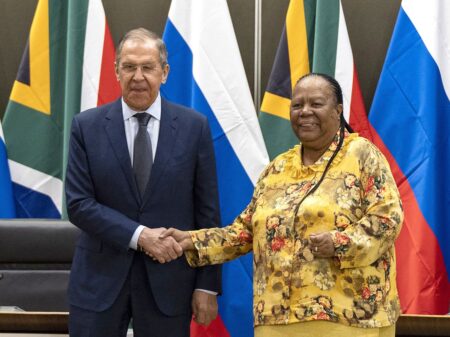
As a signatory to the ICC, South Africa is under a legal obligation to heed the warrant and arrest the…
Zimbabwe is experiencing crippling power outages characterized by black-outs that can extend to as much as 19 hours a day.…
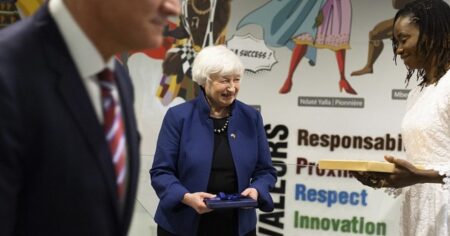
The United States has been working to increase its economic and political engagement with Africa in recent years. Yellen arrived…

The Kenyan Startup ecosystem has employed 11,000 people according to the latest analysis by Disrupt Africa. The Kenyan Startup Ecosystem…
The low adoption of CBDCs in Africa, which would hinder the policy objectives central banks hope to achieve, remains a…
In terms of the fiscus, South Africa expects to run a deficit of -4.1 per cent in 2023, however, the deficit is expected to narrow for the next 3 years closing 2026 at -3.6 per cent. This demonstrates significant fiscal consolidation.
Over the next 3 years the South African government expects to consolidate its public finances and reduce its deficit by inter alia increasing revenues and or managing or containing costs. According to Investec, “The current fiscal year (2022/23) has seen a substantial boost to nominal (actual) GDP due to high inflation, which has eased both the fiscal debt and deficit projections as a per cent of GDP, although does not boost real GDP, which is the measure of the country’s growth and has the distorting effect of inflation removed.”
Among countries in Africa, South Africa is getting its public financial act together. The country is paying down its debts, inflation has been showing a strong downward trajectory. What remains to be seen is whether this decreasing inflation rate will continue.
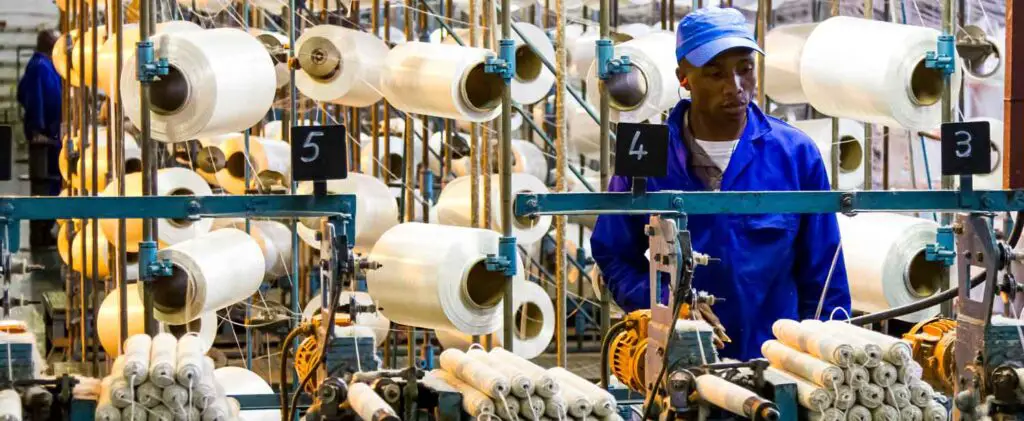
A recent index report showed that Tanzania’s agro sector is mechanizing rapidly on the back drop of value addition mini-factories, the revolution is not unique to Tanzania, it is happening continent wide and North Africa is leading.
Evidence to this fact lies in the pages of the Africa Industrialization Index (AII) report that show more than 35 of Africa’s 52 countries have become more industrialized over the span of the last decade.
The multi-stakeholder report, prepared by the African Development Bank, the African Union and the United Nations Industrial Development Organization (UNIDO), attests to an ongoing industrial revolution in Africa.
The Africa Industrialization Index (AII) uses 19 indicators to rate each country’s level of industrialization ranging from performance of its manufacturing sector, capital, labor to a country’s business environment, its infrastructure and even its entire macroeconomic status.