
Trending
- Zimbabwe edges closer to arrears payment, debt restructuring and reset of ties with IMF
- Tanzania coffee industry mulls commercializing wastes to spur fresh revenue streams
- Reasons for African Currencies Growing in Significance for Business Decisions
- Nairobi forum launches push to close Africa’s climate protection gap
- East Africa’s lessons from India’s economic growth playbook
- Tanzania and Serbia to revive falling trade relations
- TotalEnergies commits $10 billion to Angola as fresh oil find comes on stream in three months
- In Africa, the conversations defining corporate reputation are going on in channels most CEOs cannot see


Browsing: South Africa
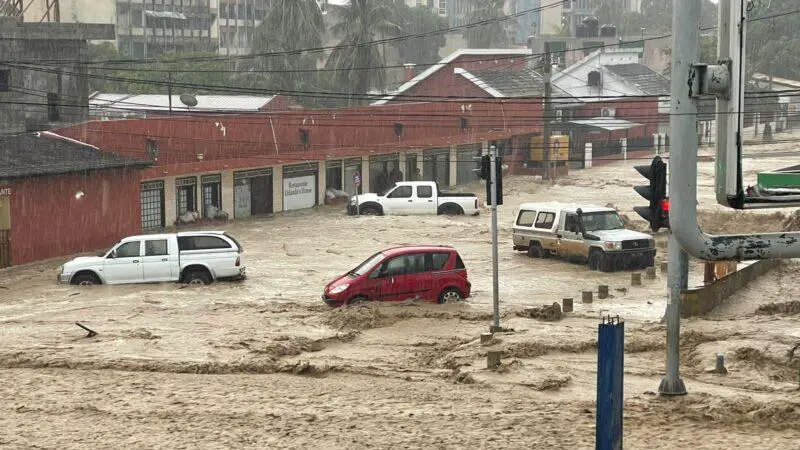
Civil unrest, electricity crisis and natural disasters in South Africa deal a body blow to the regional economy growth prospects.…

Population growth and economic development have necessitated speeding up and scaling up infrastructure development in Africa. Over 28 African nations have seen population growth of more than double in the last 30 years. The population of 26 other African countries will quadruple over the next 30 years. Consequently, funding for the continent’s infrastructure has become essential.
Experts warn South Africa’s growth is too low to create enough jobs to absorb new workers entering the labor market.…

A new $273,716 Growth for Jobs Tourism Challenge Fund seeks to grow South Africa’s tourism numbers by engaging SMEs. The…

In the last 20 years, Africa’s external debt has grown fivefold to about $700 billion. According to Chatham House, a policy centre in London, Chinese lenders account for about 12 per cent of that amount. As of November 2022, the International Monetary Fund (IMF) and the World Bank considered 22 low-income African countries to either be in debt distress or facing potential external debt distress.

In recent months, the discourse about de-dollarisation has gained momentum. The sanctions against Russia have exposed the danger of over-dependence on the US dollar in international trade. The recent foreign exchange challenges have also recharged the growing efforts to bolster other currencies.
De-dollarisation could soon become a reality. A BRICS substitute to the dollar could enjoy high prospects for success, a former White House adviser, Joseph Sullivan, has noted. Sullivan served as a staff economist at the White House Council of Economic Advisers during the Trump administration. According to him, a potential BRICS currency poses a unique threat to the dominance of the US dollar in international trade.
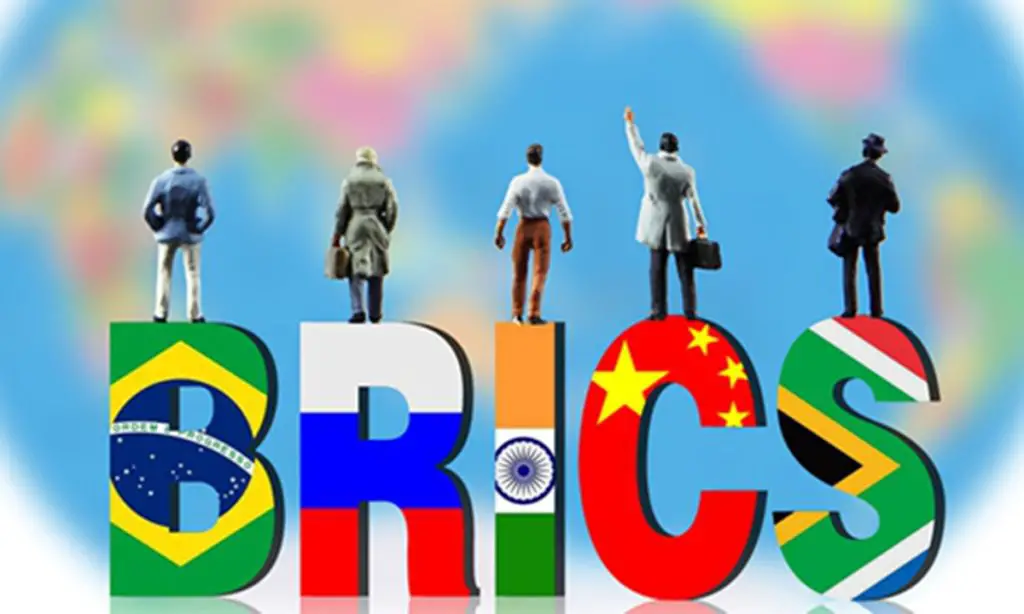
The global financial landscape has undergone a remarkable transformation in recent times. Remarkably, the issue of the de-dollarization of international trade is slowly but steadily gathering momentum. A rising trend toward de-dollarization is challenging the longstanding supremacy of the United States in the international financial system. As the dominant global reserve currency, the US dollar remains pivotal in international trade, investment, and financial transactions.
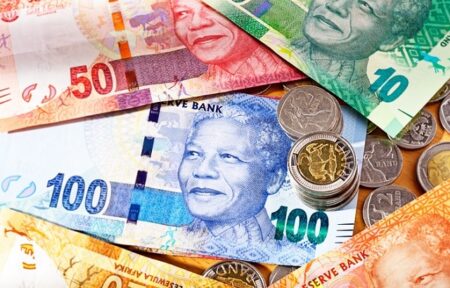
The South African Revenue Service (SARS) has exceeded the 2022 revenue collection by R123 billion after collecting a net revenue…
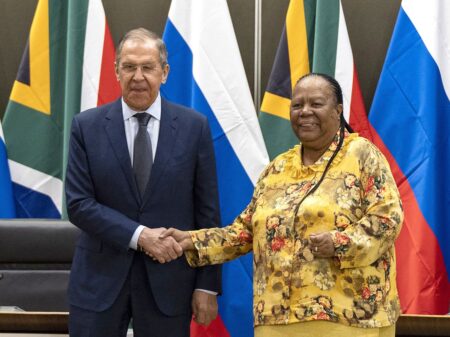
As a signatory to the ICC, South Africa is under a legal obligation to heed the warrant and arrest the…

Zimbabwe is experiencing crippling power outages characterized by black-outs that can extend to as much as 19 hours a day.…