Trending
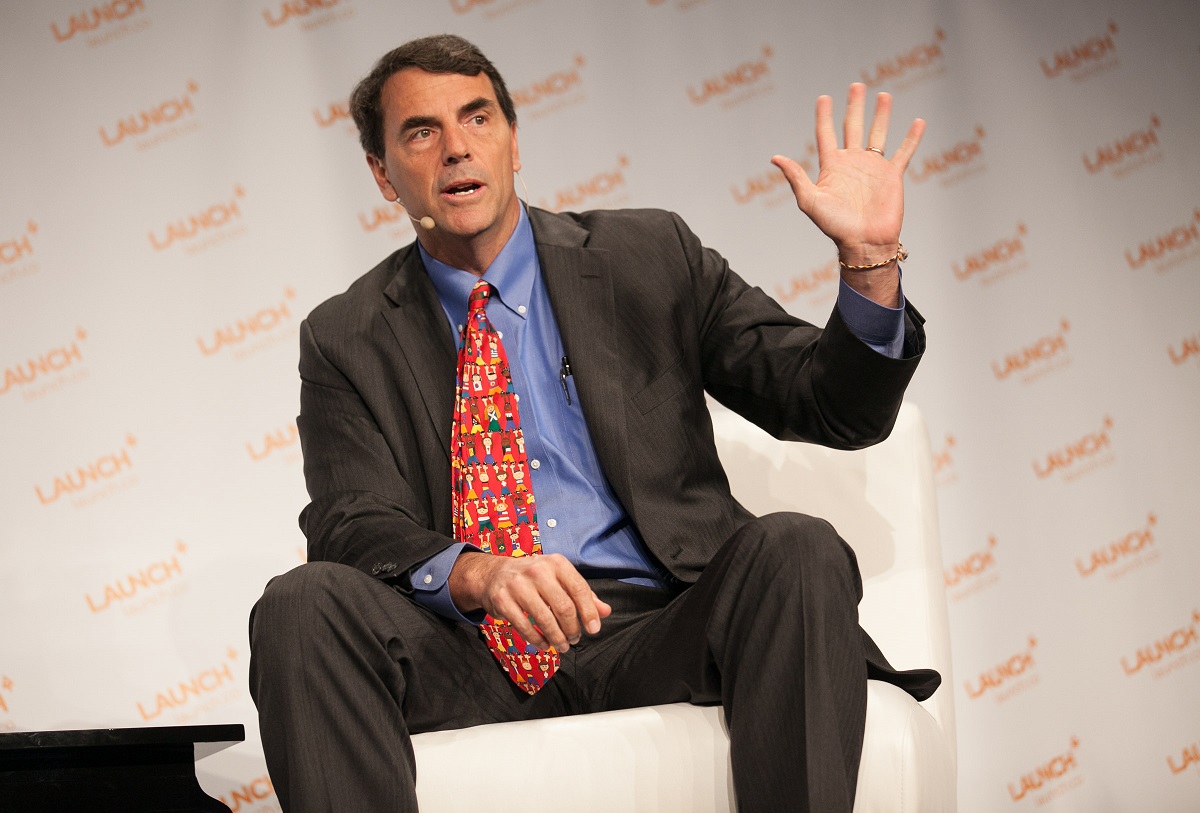
- Silicon Valley’s Tim Draper backs Nairobi blockchain festival, sees Africa as next digital frontier
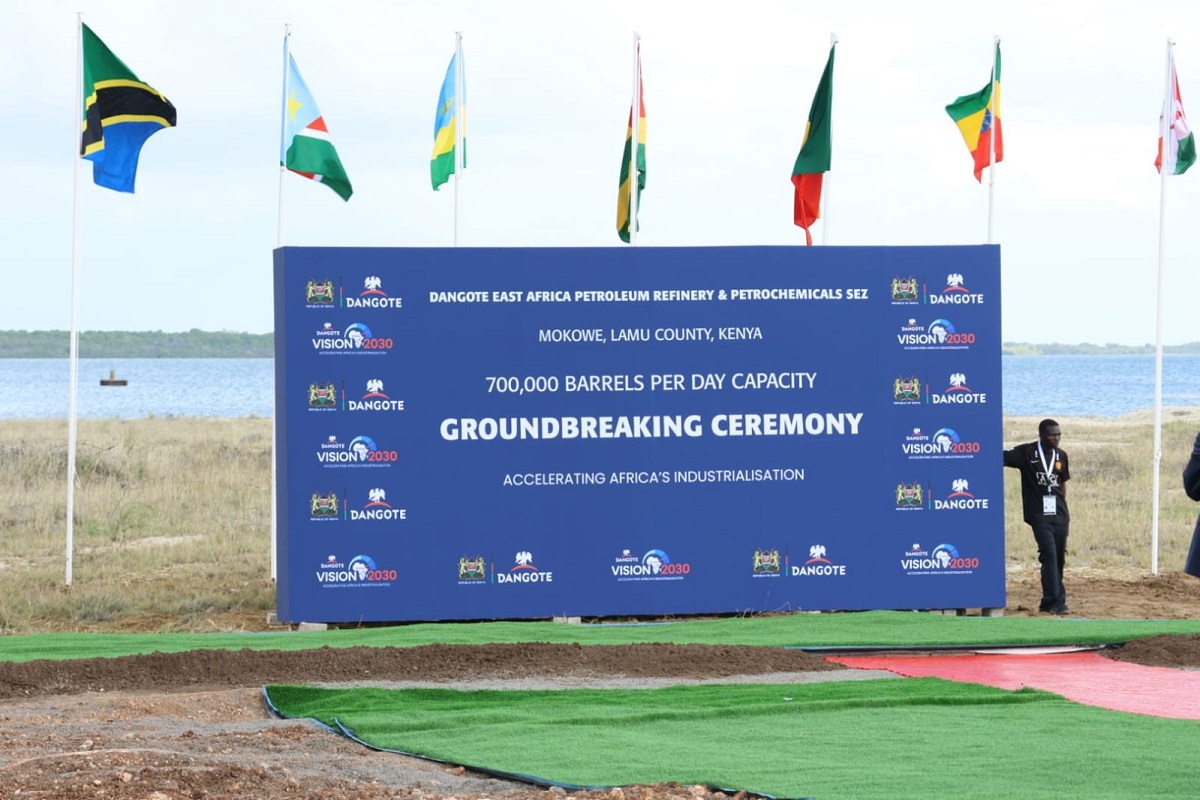
- Dangote breaks ground on $16bn Lamu refinery as East Africa seeks fuel independence
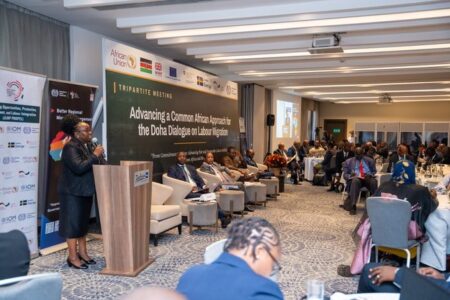
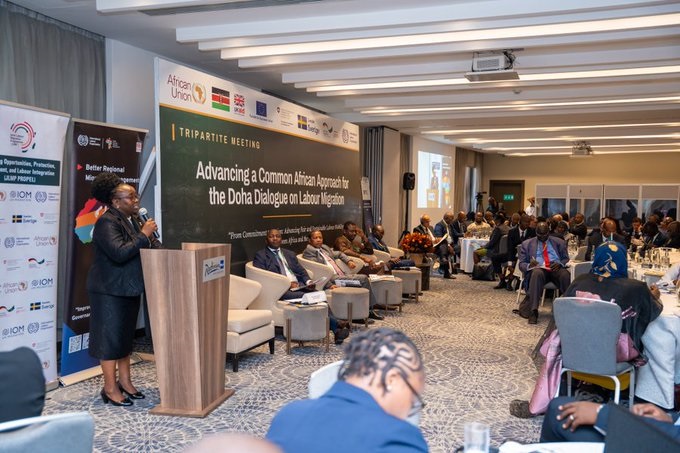
- Gulf and African states meet in Dar to rewrite rules of labour migration
- African governments drive new forest finance progress as global report warns funding globally must scale faster
- Fine Spinners eyes Kenya’s Agoa-backed apparel supply chain with $5m plant
- Why young Kenyan investors need to stop treating the stock market like a betting slip
- Tanzania tax reforms mandate VAT refunds to under 30 days
- In New York, world leaders unveil plan to overhaul global health architecture


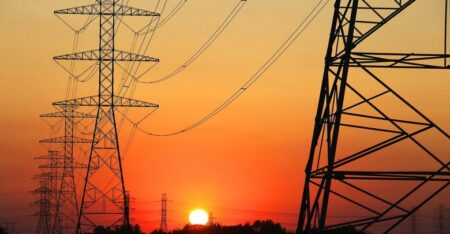
Zimbabwe is experiencing crippling power outages characterized by black-outs that can extend to as much as 19 hours a day. The electricity shortage is…
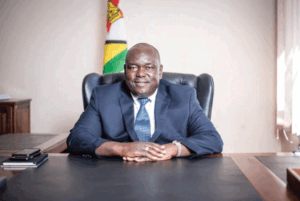
Oliver Chidawu had been the founding shareholder of an outfit called Heritage Investment Bank, and Douglas Munatsi was the founder of First Merchant Bank. Chidawu, in that period, also acquired a substantial portfolio of shares of companies listed on the Zimbabwe Stock Exchange. His portfolio comprised furniture retail and manufacturing companies as well as the manufacture and distribution of agricultural inputs.
In the 2000s, Chidawu was at his zenith. He had a portfolio of thriving businesses and had board seats on several Zimbabwe Stock Exchange listed companies like ABC Holdings Limited, Zimplow Limited, and Bindura Nickel Corporation.
Things started to go badly in the 2010s. Chidawu had made an unsuccessful expansion of his construction outfit to the United Kingdom. A difficult business environment coupled with expensive and unsustainable loans saw the businessman lose some of his prized interests.
As Africa’s role in the global economy continues to garner…


Zimbabwe to introduce electronic courts early next month, with all the partners trained and geared…
Zimbabwe Stock Exchange profiles the Agriculture and Exchange Traded Fund indices introduced on April 1,…
Strive Masiyiwa, the executive chairman of Econet Wireless International has attained an almost mythical status…
Once again, Heijin was at the centre of another dispute. This time around, it was displacing more villagers in Murehwa. Murehwa is a village in Mashonaland East province.
This time around, it affected up to 100 families. As with the example above, the company received a special mining grant to mine black granite in the area. The mining claim sits on a densely populated place covering between 200 & 300 hectares.
Due to the presence of granite in the area, Chinese companies are laying siege on the province. All this to get their hands on the rare and lucrative stone. Heijin’s newest intrusion follows another bloody battle between Mutoko and Shanghai Haoying Mining Investments villagers.
They have claims to mine black granite, which was. At the same time, Shanghai Haoying has compensated households who would lose their home due to mining activities. The Chinecompany’sy’s plans to establish operations in the area have met fierce opposition from angry locals.
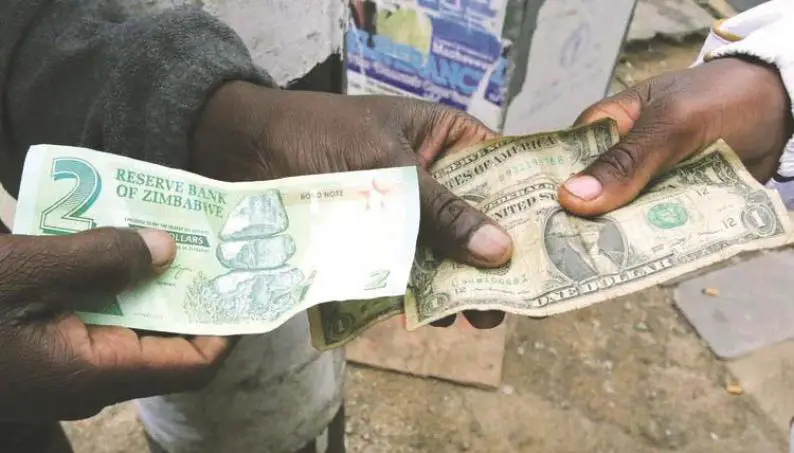
If you received your salary on the 1st of January in ZWL, you would struggle to pay for goods and services in February. This volatile situation results in consumers seeing value eroded from their bank balances at an astonishing rate.
We see wages struggle to keep up with inflation, a phenomenon similar to 2008. Most people buy USD from the black market to retain some semblance of value in these balances.
Zimbabwe has a currency crisis, and the Authorities seem to be struggling to deal with it. The rate at which the Zimbabwe dollar is depreciating signifies the state of the economy. Much of this is being blamed on the countries foreign currency auction system.
The company has been in existence for about 130 years and in that period amassed a substantial portfolio of businesses that comprise hospitality, food retail, agriculture, and security services. The large size of the company and dominance in the markets made it a darling of the Zimbabwe Stock Exchange.
At the height of its conglomerate strategy, the company owned everything from food retailers, department stores, a cotton printing company, tea estates, and a bank. Meikles was even called Kingdom Meikles Africa during its short-lived with Kingdom Financial Holdings.
The company divested its financial services interest in a demerger after an acrimonious shareholder and boardroom dispute and so began the drive to refocus its business activities around its core businesses namely retail, hospitality, security services, real estate, and agriculture. Meikles recently announced that it would be discontinuing its mining activities.