
Trending
- Zimbabwe edges closer to arrears payment, debt restructuring and reset of ties with IMF
- Tanzania coffee industry mulls commercializing wastes to spur fresh revenue streams
- Reasons for African Currencies Growing in Significance for Business Decisions
- Nairobi forum launches push to close Africa’s climate protection gap
- East Africa’s lessons from India’s economic growth playbook
- Tanzania and Serbia to revive falling trade relations
- TotalEnergies commits $10 billion to Angola as fresh oil find comes on stream in three months
- In Africa, the conversations defining corporate reputation are going on in channels most CEOs cannot see


Browsing: South Africa

Mozambique’s Green Energy Transition Strategy (ETS) to drastically reduce its dependence on fossil fuels. As a nation with one of…

Artificial Intelligence (AI) offers new job opportunities for tech-savvy African graduates. African policymakers must, however, protect current employees from job…
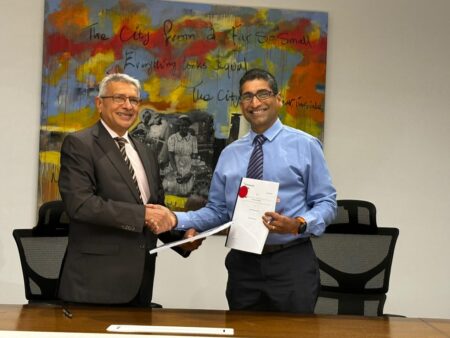
South Africa-based insurer Hollard International has extended its footprint into East Africa. Hollard, a privately owned insurance, has struck a deal to acquire a stake in Apollo Investments Limited, the parent company of Kenya-headquartered APA Insurance.
This strategic investment, subject to regulatory approvals, gives Hollard International a presence in the East African market. The new acquisition supplements its existing operations in Southern and West Africa. Once approved, Hollard will become the second international investor in APA Insurance, following Swiss Re, which acquired a stake in 2014.
The African Development Bank (AfDB) has initiated a five-year plan to stimulate growth in South Africa, the continent’s most advanced economy. Dubbed the Country Strategy Paper (CSP) 2023-2028, AfDB has outlined two main lines of action. The Bank aims to enhance governance while deploying strategies to revamp the private sector.
Concerning governance, CSP 2023-2028 will support the South African government in its efforts to address persistent structural challenges. This approach aims to promote industrialisation and establish a faster, more inclusive growth trajectory to combat poverty.
With the world steadily evolving to a more digital and eco-friendly era, many organizations have sought better ways to grow and consolidate their market. South Africa has recently caught the eye of many investors due to ongoing innovation and competitive government policies. However, Electricity rations have left the economy reeling, hurting many companies’ operations.
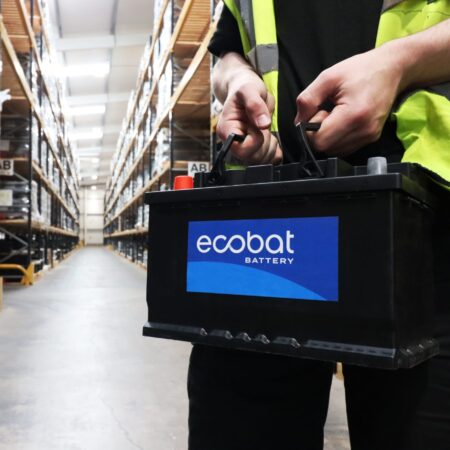
In the latest developments, South African battery manufacturer AutoX Proprietary Limited received ample support from Ecobat, which sold all its subsidiary businesses. This move represents an opportunity to scale for AutoX and highlights the country’s prevailing business environment.
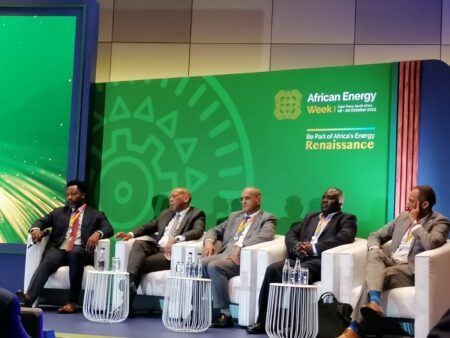
The vast renewable energy potential across the African continent, combined with Europe’s ambitious production and import targets, is reshaping energy pathways and challenging established norms. Moreover, Africa and Europe have taken the reins in driving the global green hydrogen economy, marking a landmark shift in energy dynamics.
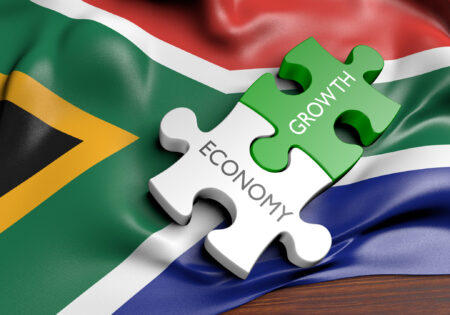
South Africa is set to topple Nigeria and Egypt as Africa’s biggest economy in 2024. This is according to forecasts from the International Monetary Fund. According to IMF’s World Economic Outlook, South Africa’s gross domestic product will reach $401 billion per current price in 2024. On the other hand, Nigeria’s GDP will reach $395 billion, with Egypt’s GDP reaching $358 billion.
South Africa, the continent’s most industrialised nation, is expected to maintain the top spot as Africa’s biggest economy for only one year. In 2025, the country will again lag behind Nigeria and fall to third place behind Egypt a year later. This is according to the IMF’s World Economic Outlook, a report released last week.

Over and above the graft and management woes gripping South Africa’s power utility Eskom, a brazen coal-smuggling gang has been operating under the authorities’ nose, worsening the electricity crisis that could lead to a nationwide blackout.
However, the South African Revenue Service (SARS) says it is closing in on the gang. SARs is working with law enforcers to conduct searches and seizures across five provinces where the coal-smuggling gang operates.

Kenya will host the second Canada-Africa Business Conference early next year, bringing together investors from the two regions to explore key investment opportunities. Some of the target industries that the 19-20 February 2024 conference will focus on are medical care, infrastructure, energy, financing for Canada-Africa projects, and FinTech.
The two-day meeting in Nairobi’s Muthaiga Country Club follows the two regions’ first-ever program at Botswana’s Gaborone International Convention Centre in 2019.
In partnership with the Kenya Private Sector Alliance (KEPSA), the Canada-Africa Business Conference will bring together key players who will also visit select locations.

South Africa’s poultry sector is currently undergoing serious challenges. The ongoing load shedding and power disruptions have put tremendous pressure and additional costs on the industry, which makes producing poultry products extremely expensive. One company (Astral Foods) has spent an additional $47.56 million (R919 million) due to load shedding alone. This has had a significant impact on the profitability and sustainability of the company. To make matters worse – South Africa’s poultry sector has been hit with a significant avian influenza epidemic.