



- Nigeria oil output hit a six year high in June.
- Government credits increased oil output to efficiency and pipeline security.
- South Africa announces mandatory oil reserves.
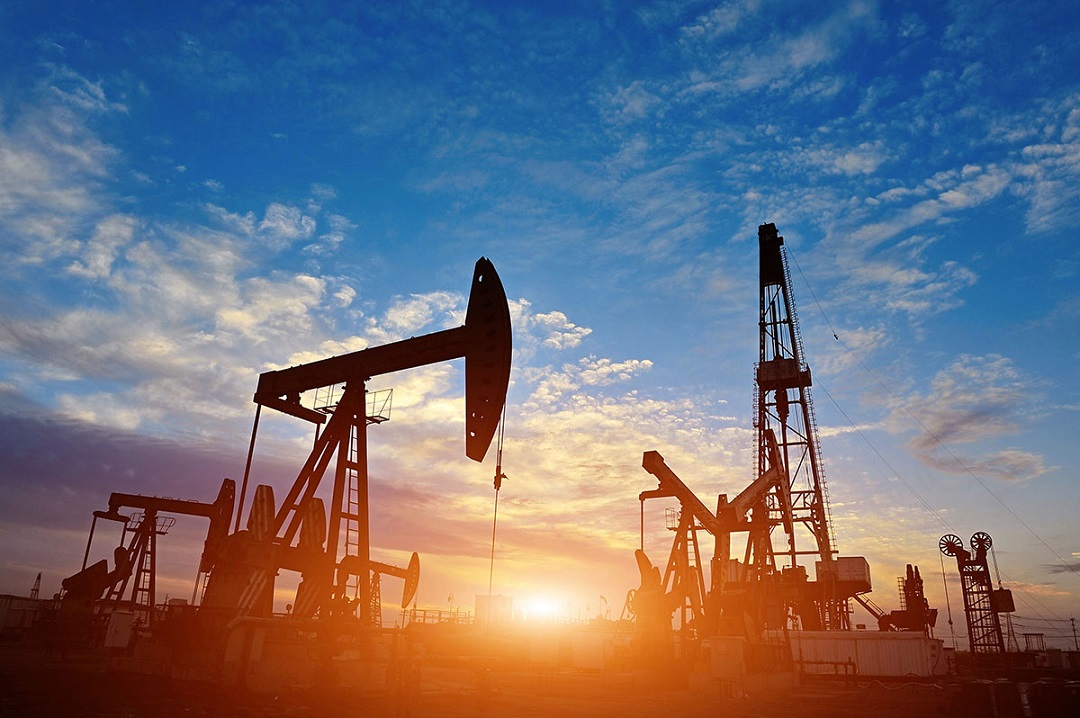
Nigeria’s crude oil output has exceeded its OPEC quota climbing to its highest level in more than six years. According to authorities, the country higher oil production is attributable to improved pipeline reliability and efficient operations.
According to the Nigerian Upstream Petroleum Regulatory Commission (NUPRC), Nigeria pumped 1.56 million barrels per day (bpd) of crude oil in June, the largest average monthly production volume since April 2020.
“Total crude oil production rose for the fourth consecutive month to 1.7 million bpd … primarily driven by stable production operations across most producing assets and the absence of any major pipeline outages during the period under review,” the NUPRC reported.
Nigeria oil output in June
According to NUPRC, Nigeria produced 104% of its OPEC+ quota of 1.5 million bpd of crude oil in June. The upstream regulator said combined crude oil and condensate production was 1.89 million bpd during the month under focus.
With increased output, stakeholders are reassured of Nigeria’s potential to reach 2mbpd in the near term, NUPRC said. The authority boasted sustained growth in its crude and condensate output citing the fact that oil output rose from 1.48 million bpd in February and then the reported 1.7 million bpd in June.
Notably, Nigeria had suffered to meet it’s quota in recent years due to sabotage that often led to force majeure at major export streams. For example, due to sabotage in January, it was reported that Nigeria’s average daily crude oil production was around 1.5 million barrels for 2025, which was half a million barrels lower than the government’s daily target for the sector.
Then, owing to the sabotage, there was confusion in the industry reports with official data from NUPRC claiming there were 40 active drilling rigs at the time while OPEC reported the number of active drilling rigs were only 18 for November.
The government took action, the resulting crackdown on oil theft and sabotage in the Niger Delta brought about the current increase of crude production and the government is confident it will secure further growth by 2030.
It is no surprise that Nigeria is actively seeking to increase its crude oil production to make the most of the major global supply disruptions caused by the war in Iran. NUPRC says it is now aiming to raise output by 100,000 barrels bpd in the immediate term to capture the widening supply gaps.
According to official reports, Nigeria’s state-owned oil and gas company NNPC plans to increase oil production to 2 million bpd over the next two years, Executive Vice president for upstream, Udy Ntia, has reassured stakeholders.
Also Read: African trade is growing despite the obstacles
Nigeria capitalizing on South Africa disruptions
Meanwhile, South Africa has announced mandatory fuel reserves citing growing energy security concerns as geopolitical tensions continue over the Strait of Hormuz. The draft Strategic Petroleum Stocks Policy requires the state to hold a 60-day emergency supply.
On the other hand, licensed fuel wholesalers and importers are now required to keep a 21-day commercial buffer. “Both tiers of the reserve must use a 70%-crude and 30%-refined product split,” reports the government media release in the wake of the proposal announcement.
This is a change from the old voluntary system with authorities conceding the country has lost nearly half of its local oil refining capacity. Now the new South African National Petroleum Company (SANPC) will manage 36 million barrels of oil at Saldanha Bay and Milnerton reads the report.
“The government will only open these reserves during severe fuel crises, like extreme price spikes or supply blockages,” it details.
Rationing is also in the picture, the draft laws have set new rules for fuel rationing for essential services if supply drops significantly. Sector pundits say the government proposal, though well intended, will force both the government and private companies to spend billions to expand storage tanks and buy the surplus oil to fill them.
However, the government maintains that “…there is a compelling need for South Africa to pass this Strategic Stocks Policy to enhance the state of readiness in the event of major oil supply disruptions.”
This proposal marks South Africa’s first major boost to its strategic fuel reserves since the 1970s.
Back then, the apartheid government is said to have built underground crude oil storage facilities at Saldanha on the west coast. This time, the proposed reserve stocks will be at the Saldanha as well as Milnerton storage facilities.
According to the Fuels Industry Association of South Africa, the representative body for oil companies operating in the country, South Africa uses an average of 27 billion litres of oil products each year.
“The geopolitical disruptions we continue to witness have exposed the risks associated with excessive dependence on imported refined petroleum products,” said Minister of Minerals and Petroleum Resources Gwede Mantashe of the policy formation.
Global oil stocks have fell by 143 million barrels in May, and OECD government inventories have also fallen to their lowest level since December 1990 according to the report.
It goes in to warn that even the US Strategic Petroleum Reserve (SPR) has also fallen to its lowest level since 1983 to allow 316.5 million barrels owing to the US Department of Energy release of 172-million-barrelnin response to the Iranian conflict.
“If we are serious about improving our energy security, reducing our vulnerability to external shocks and strengthening our economic sovereignty, then we must accelerate exploration and development of our own oil and gas resources,” minister Mantashe said
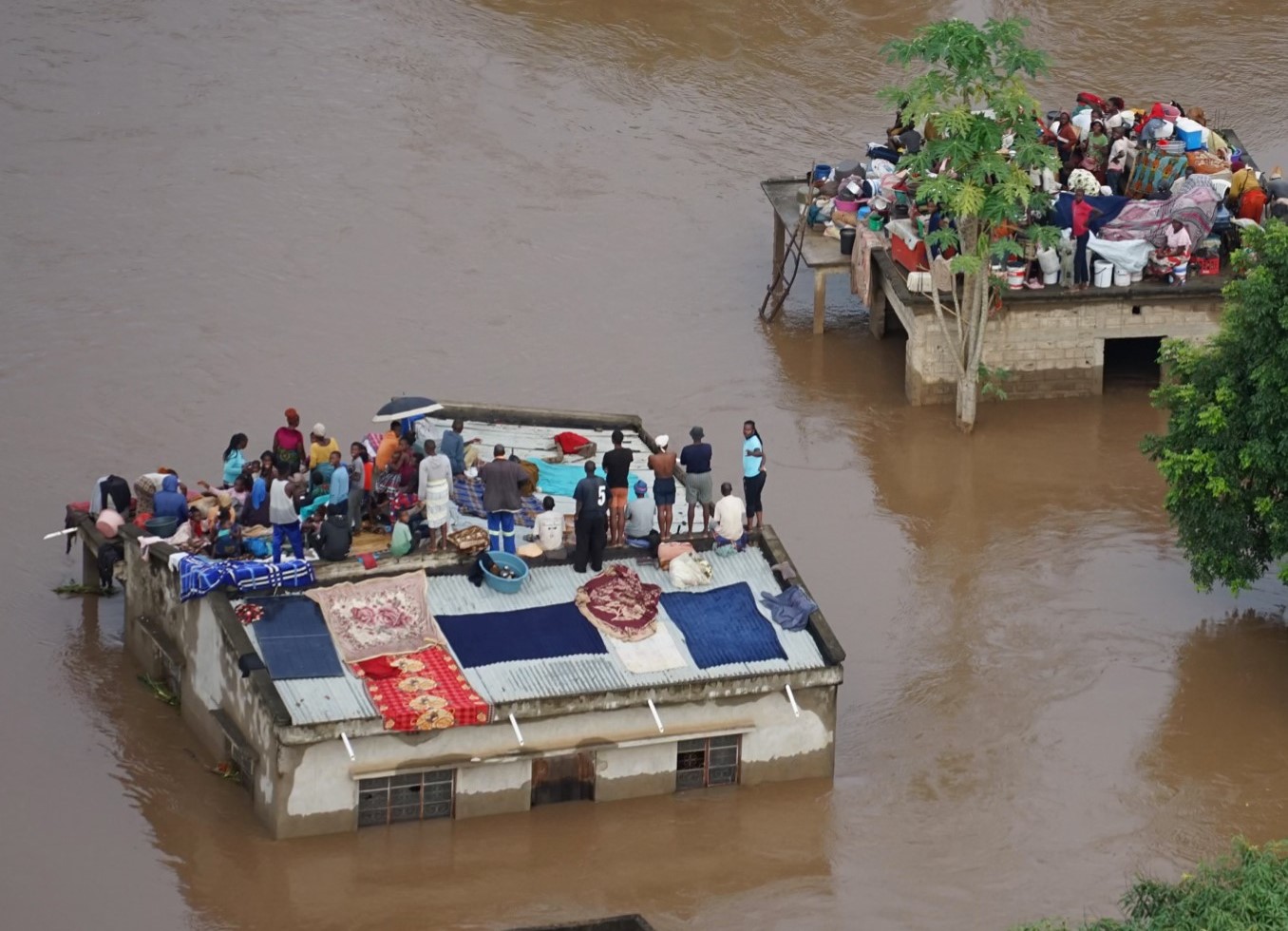
It should be noted that South Africa lost more than 260,000bpd of refining capacity when the Engen Durban refinery was permanently closed due to the 2020 explosion then in 2022, the Sapref Durban depot was shut down by BP and Shell following the KwaZulu-Natal floods.
Hence it is justified that South Africa is taking precautionary measures to secure it’s energy capacity. Not so Nigeria, the country is enjoying a boom and increasing it’s output. While no official statement has been issued, it maybe that South Africa will seek it’s reserve oil from Nigeria.
Read also: The stakes and risks in Dangote Refinery’s $5bn grand bet for a Pan-African IPO