

Trending
- Weather experts warn of the most powerful El Niño in decades as extreme weather hits Africa
- Africa Blockchain Festival ignites a new dawn for African innovation
- Africa’s gaming market set to quadruple to $4 billion, defying global slowdown
- Tanzania throws its bond market wide open to the global investors
- VALR sets sights on East Africa as blockchain moves deeper into Africa’s financial system
- The cost of the data gap: Why Kenya’s lenders can’t afford to miss the full picture
- Tanzania takes EAC labour migration helm as regional rules face overhaul
- 2026 is turning out as a defining year in geopolitics, but for whom?


Browsing: crude oil
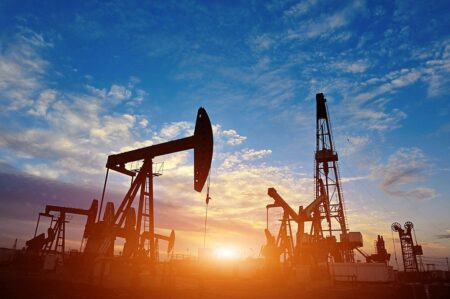
Nigeria oil output hit a six year high in June. Government credits increased oil output to efficiency and pipeline security.…
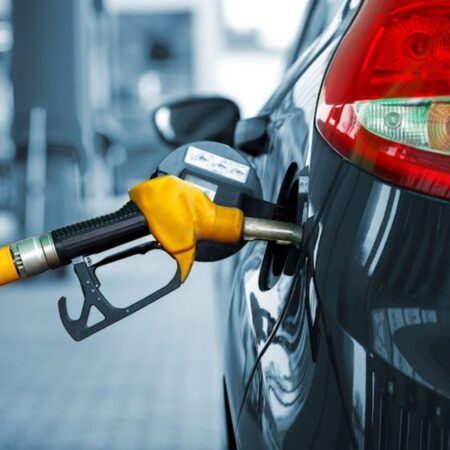
Russia’s invasion of Ukraine in February 2022 threw oil and gas markets into disarray. Consequently, the world experienced the first real global energy crisis during the uneven economic recovery from the COVID-19 epidemic. Russia’s inclusion in the OPEC+ group has hampered international attempts to manage the situation. This has made it harder to handle the significant inflationary effects of rising global fuel prices, particularly in developing nations.
Global fuel prices have risen exponentially in the last few months. The rise is hugely significant, as it has seriously aggravated the global cost-of-living crisis. African economies have particularly been on the receiving end. The continent has suffered from disrupted supply chains and a slowdown in the global economic outlook. Thus, rising energy costs complicate matters even further.
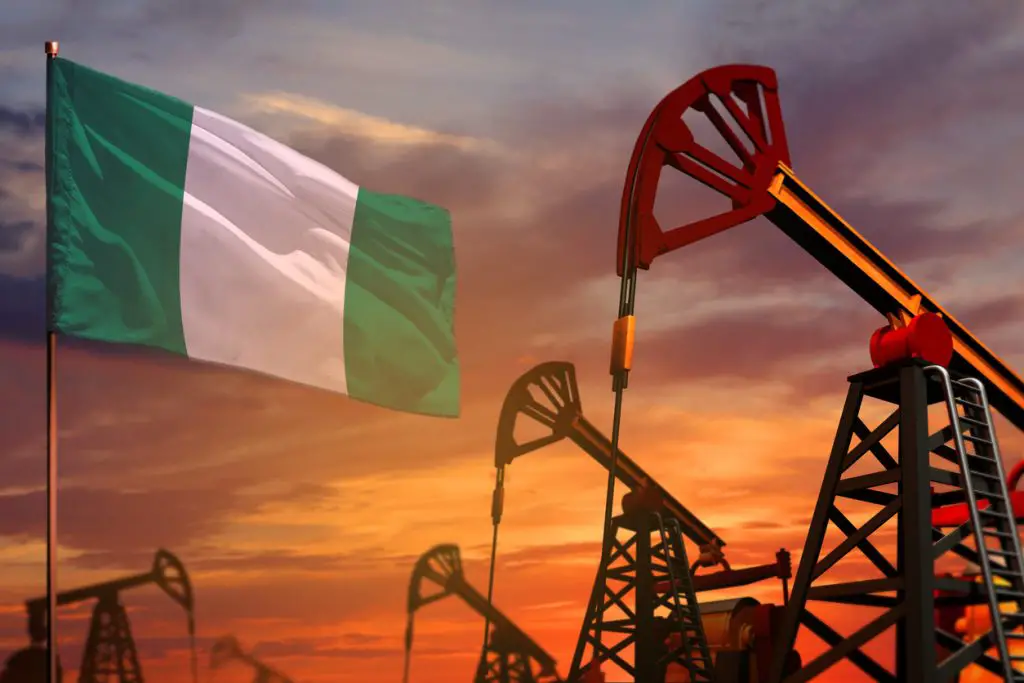
There is still plenty to accomplish. Even after a year, the PIA is still in a transitional period, with committees deliberating its practical implications. One seasoned Nigerian expert questioned how much the NNPC would change due to its transition into a limited liability corporation. Still, post-PIA data suggests that Nigeria’s oil and gas industry may be moving in the right direction.
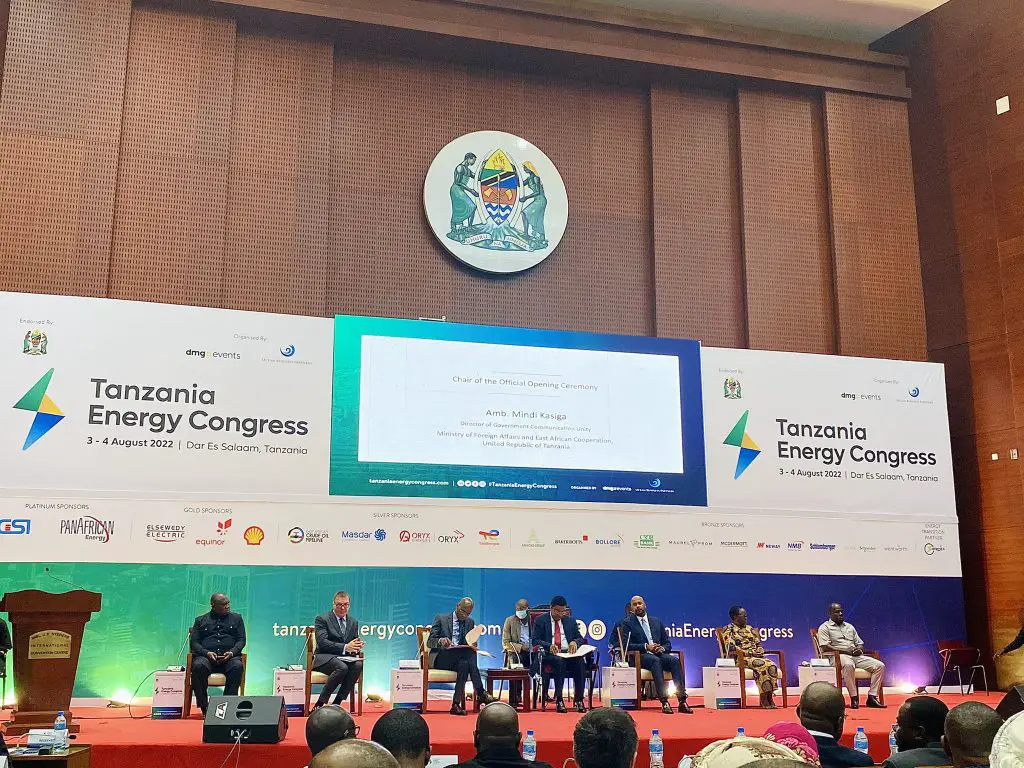
Mega oil projects in East Africa such as EACOP are transforming the way local content is executed Pan African Energy…

Despite poor irrigation systems, extreme weather conditions and soil quality becoming the case for wheat importation instead of farming it, countries such as Tanzania and Kenya are amping up their farming systems.
Tanzania’s irrigation area has risen to more than 727,000 hectares from around 625,000 in 2021. The nation has built silos in Burundi, Kenya and Congo, easing up supply and trade of crops across the regions. Kenya, East Africa’s leading economy and among Africa’s top four in fintech is leveraging modern financial technology to enhance commercial agriculture practices.
Utiliser application is a challenge, and the nation is striving to assist farmers in adapting to new tech by offering subsidies to ensure productivity is restored, while Uganda is striving to level up the playing field for farmers to access and adopt low-cost irrigation and climate-smart agriculture systems. On the same note, it also intensifies the functions of the entire agriculture value chain by empowering small and medium agri-businesses with capital.
Though not an overnight project, Africa can realise the sustainable and relevant adoption of low-cost irrigation and climate-smart agriculture systems, which will arguably transform food production systems and farmers’ economies.
While the world is building off the hype that going green or carbon offsets are the new future, we here in Africa are building a pipeline aimed to continue to destroy the earth. Is it fair then that Africa doesn’t really matter in the grand “reset” of the global order, where western countries and companies are coming to dictate what needs to be done in Africa, as a means to drive profit? Much needs to be considered as we Africans are moving toward building energy economies.
It is the 21st Century, twenty plus years into the new millennium; we are a civilized learned people. We have digitized, gone paperless, our phones are smarter than us and we drive, or rather are driven by electric cars.
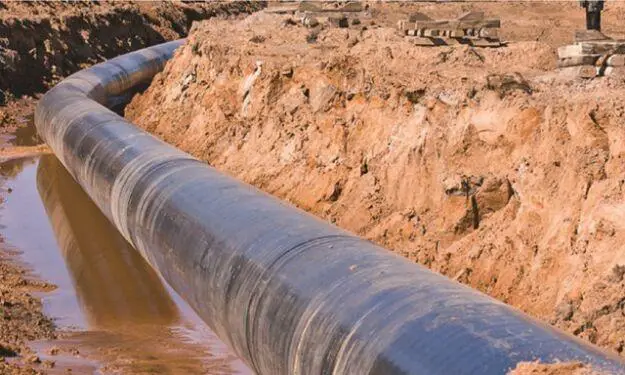
If someone were to put me on the spot and ask me to name an environmentalist group, I’d probably blurt…
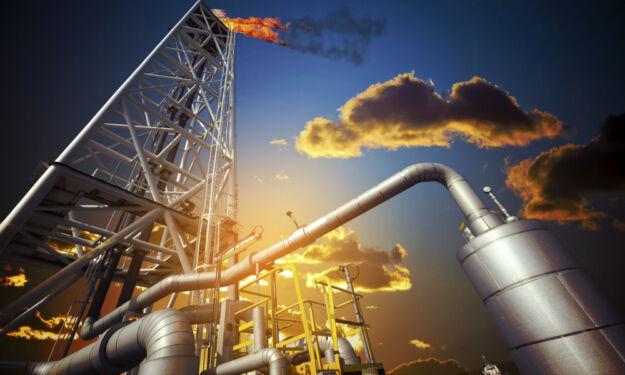
East Africa (Tanzania and Uganda in this case) is endowed with plenty of natural resources that mark it as a…
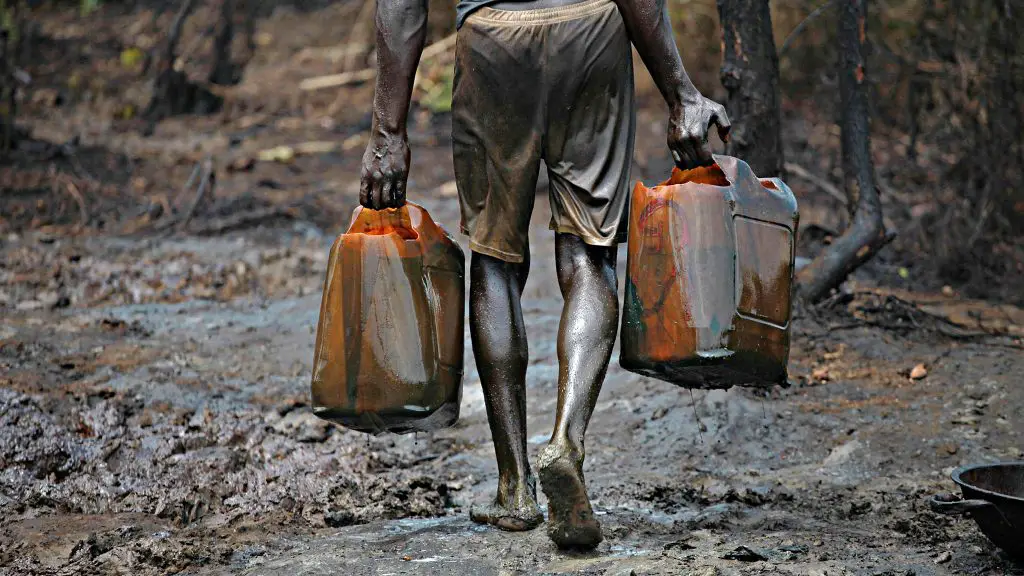
The year started out as very promising, Nigeria’s crude oil and gas export sales revenue hit a record USD434.85 million…
Brent crude oil’s return to a $40/b handle has so far proved to be short-lived. During the past week the…