
Trending
- African governments drive new forest finance progress as global report warns funding globally must scale faster
- Fine Spinners eyes Kenya’s Agoa-backed apparel supply chain with $5m plant
- Why young Kenyan investors need to stop treating the stock market like a betting slip
- Tanzania tax reforms mandate VAT refunds to under 30 days
- In New York, world leaders unveil plan to overhaul global health architecture
- Minisend grows Kenya presence as official payment partner of Africa Blockchain Festival 2026
- UN resolution challenges world maps that make Africa look smaller
- Zimbabwe edges closer to arrears payment, debt restructuring and reset of ties with IMF


Browsing: World Bank
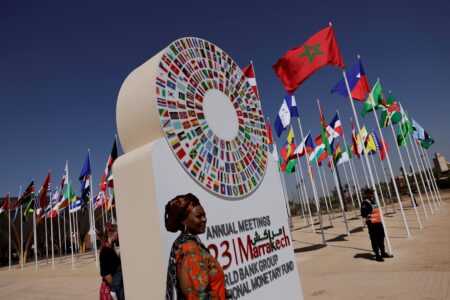
Climate finance by Multilateral Development Banks (MDBs) for low-income and middle-income economies hit a new record of $60.7 billion in 2022. The amount was 46 per cent higher than the 2019 levels, a new joint report by the lenders shows.
In terms of usage, $38.0 billion, or 63 per cent, went into projects helping mitigate the rising threat of climate change. Another $22.7 billion, or 37 per cent, went into supporting climate change adaptation initiatives. Overall, the portfolio of private finance mobilised in the period stood at $16.9 billion, the report said.
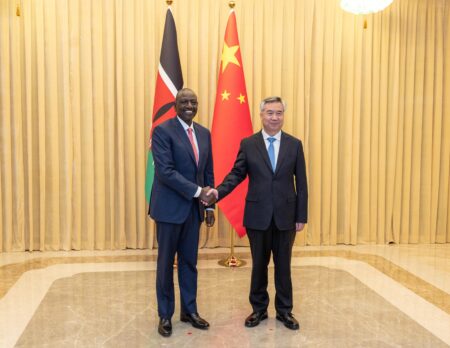
President William Ruto who is attending the third Belt and Road Forum in Beijing is urging Chinese investors to target…
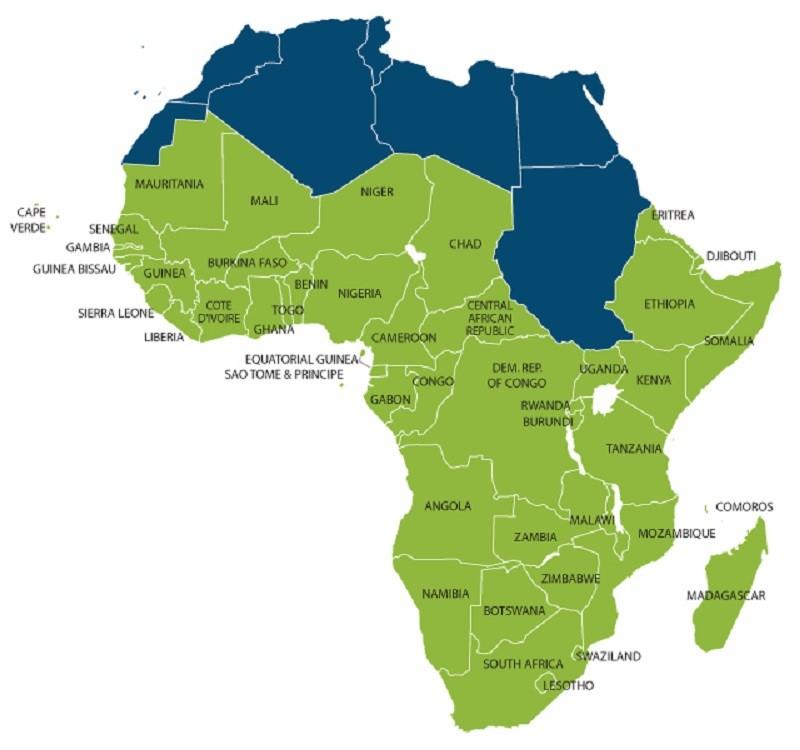
The latest Africa’s Pulse report by the World Bank presents a somber economic outlook for Sub-Saharan Africa. Escalating instability, lackluster growth within the region’s major economies, and persistent global economic uncertainties collectively overshadow the region’s economic resurgence prospects.
In its comprehensive analysis, the World Bank anticipates a slowdown in economic growth across Sub-Saharan Africa, with a projected rate of 2.5 per cent for 2023, compared to the 3.6 per cent recorded in 2022. This assessment underscores the multifaceted challenges currently facing the region’s economic landscape.
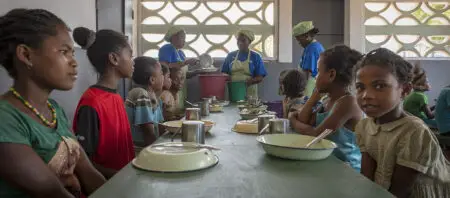
ECOWAS member states fed 22.4 million school-going children in 2022, up from 20 million learners in 2020. This represents 42%…
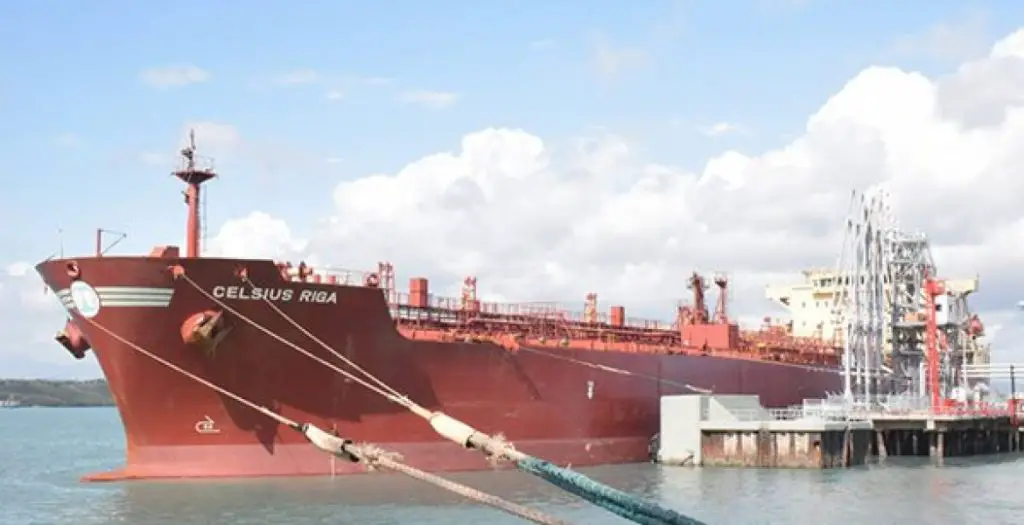
Nairobi will continue purchasing fuel on credit from three state-owned Gulf oil marketers until December 2024 in a plan the government is banking on to ease piling pressure on Kenya’s forex reserves.
The move comes in the wake of high expenditure on oil imports even as Kenya remains a net importer grappling with a widening trade deficit that hit $10.8 billion last year. Last year, Kenya’s expenditure on imports rose by 17.5 per cent to $16.9 billion (KSh2.5 trillion), despite growing export volumes.
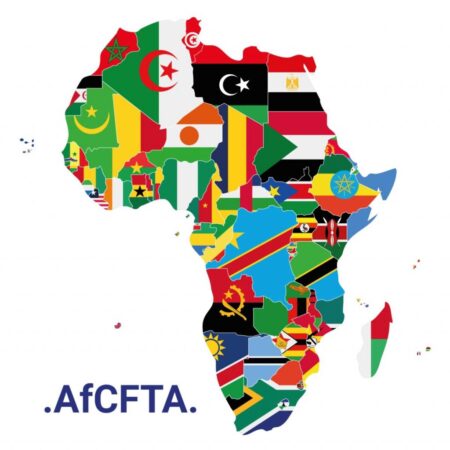
The African Continental Free Trade Area (AfCFTA) is now widely touted as the African Union’s (AU) most audacious project. The framework ties together the most significant number of member countries of any trade agreement since the World Trade Organisation (WTO) in 1995.
The AfCFTA had become topical even before its formal launch. Members of the business community eagerly awaited the full implementation of the AfCFTA. But two years since its formal launch, how far has the AfCFTA ushered in the ‘new era’ of African integration it promised?
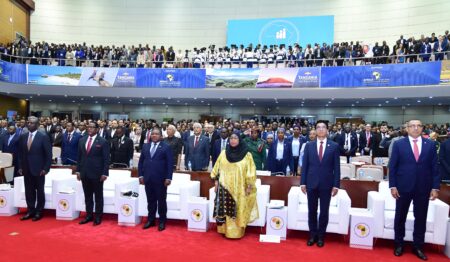
Tanzania hosts World Bank Group Human Capital Project (HCP) President Samia announces national efforts to increase youth employment Africa suffers…
The World Bank plans to ease lending terms to increase liquidity. Increased disposal income will help reduce global poverty. Countries…
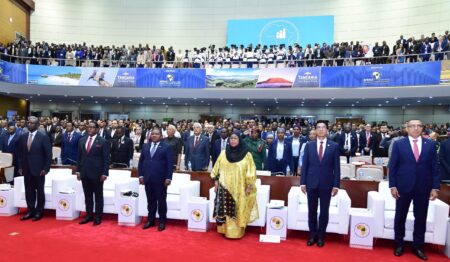
The central role of human capital in development is fast catching up with the developing world. Tanzania President Suluhu Hassan…
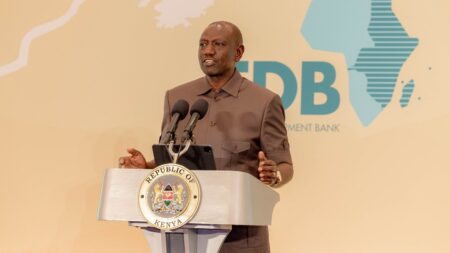
Kenya is among countries that are heavily indebted with the loan stock at staggering 67.3 per cent of GDP. Total…