

Trending
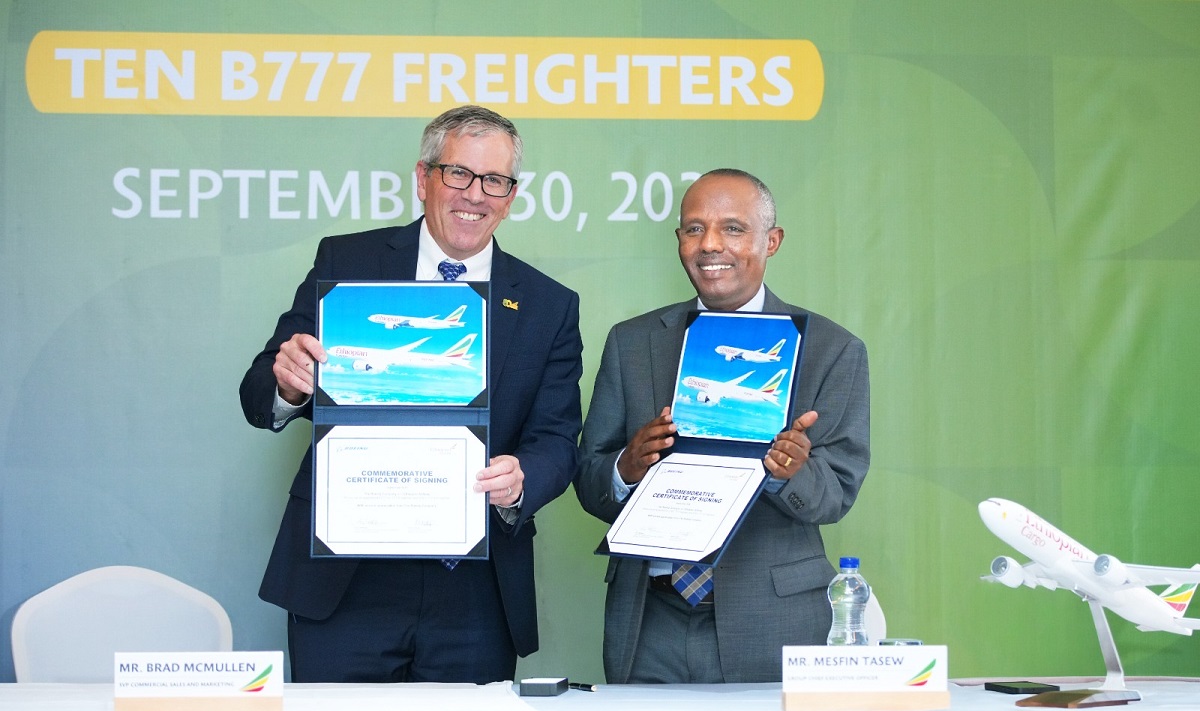
- Ethiopian Airlines bets big on Boeing freighters in $5 billion cargo fleet expansion
- Silicon Valley’s Tim Draper backs Nairobi blockchain festival, sees Africa as next digital frontier
- Dangote breaks ground on $16bn Lamu refinery as East Africa seeks fuel independence
- Gulf and African states meet in Dar to rewrite rules of labour migration
- African governments drive new forest finance progress as global report warns funding globally must scale faster
- Fine Spinners eyes Kenya’s Agoa-backed apparel supply chain with $5m plant
- Why young Kenyan investors need to stop treating the stock market like a betting slip
- Tanzania tax reforms mandate VAT refunds to under 30 days


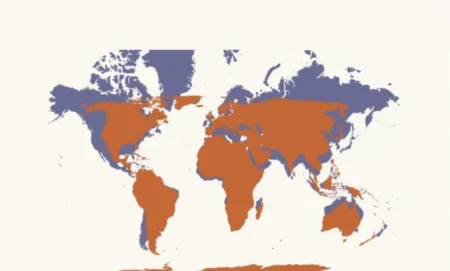
For generations, millions of people have looked at world maps that make Africa appear smaller than it really is. A recent United Nations (UN)…

Here’s a question worth sitting with: how much growth are…

Geopolitics: Not since the wars in Afghanistan and Iraq reshaped…




Kalemie, on the DRC side of Lake Tanganyika, is a vital connection point, linking the…

Most East African family businesses believe that it is essential to be trusted by customers,…

A single window system allows parties involved in trade and transport to lodge standardized information…

Behind every discovery in the African energy industry, final investment decision (FID), and first oil…

As AfCFTA becomes a part of the daily business environment, governments and businesses need to…

Yield-chasing investors have poured money into Africa, but an emerging, recent challenge for the continent is that in a now higher interest rate environment, investors don’t need to come to Africa to find higher returns.
Even US treasuries are now yielding far more attractive yields than just a month ago: three-month government bonds offer 5.32 per cent, while 2-year bonds offer a yield above five per cent. Yields have risen in part in response to Fitch’s recent downgrade of the US from AAA to AA+, echoing S&P’s move in 2011.
African bond issuers, spooked by the high-interest rate environment and refusing to issue bonds above the psychological barrier of double-digit yields for Sub-Saharan African bonds, continue to wait it out on the sidelines.