Trending
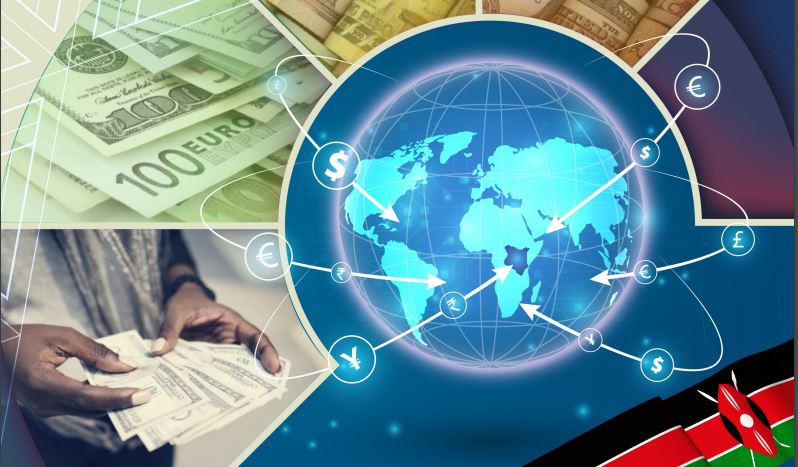
- Kenya’s payments overhaul puts its $5 billion remittance economy at the centre of the FX debate
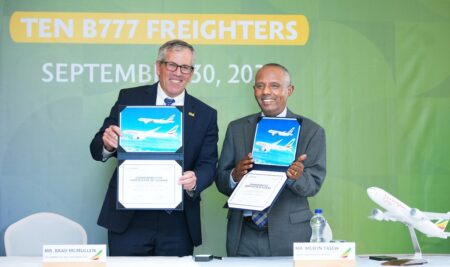
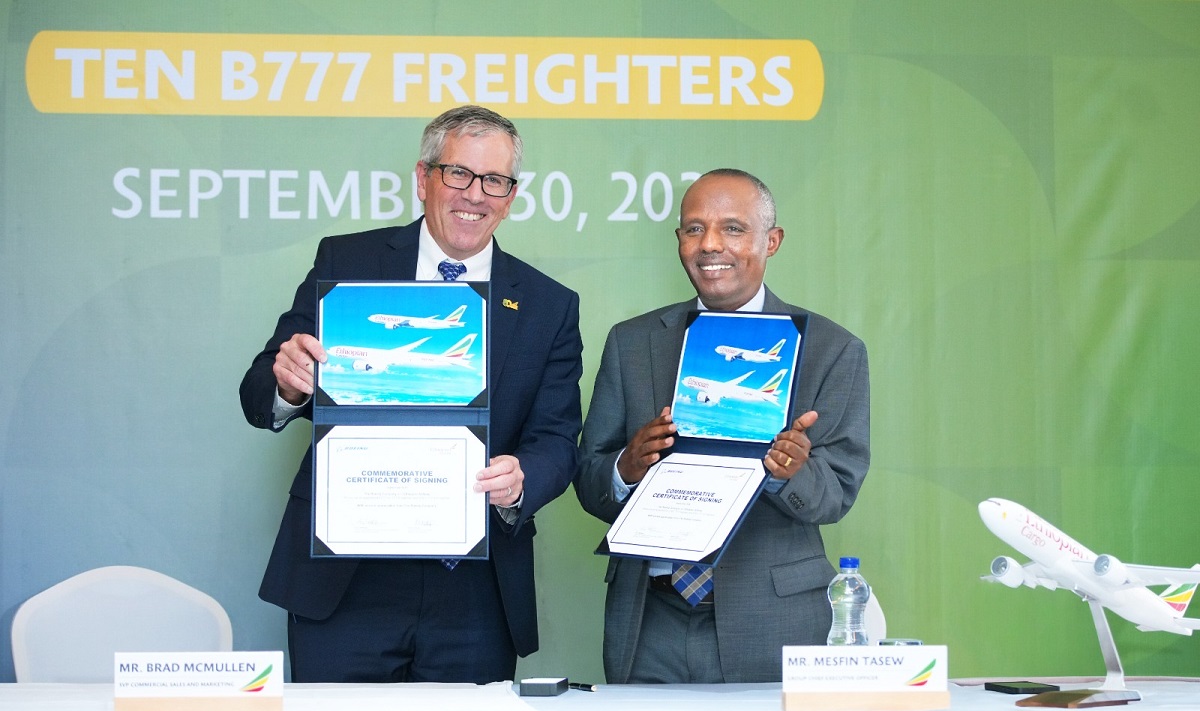
- Ethiopian Airlines bets big on Boeing freighters in $5 billion cargo fleet expansion
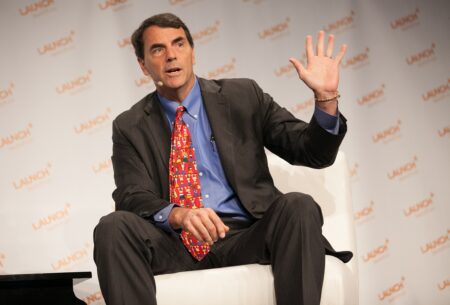
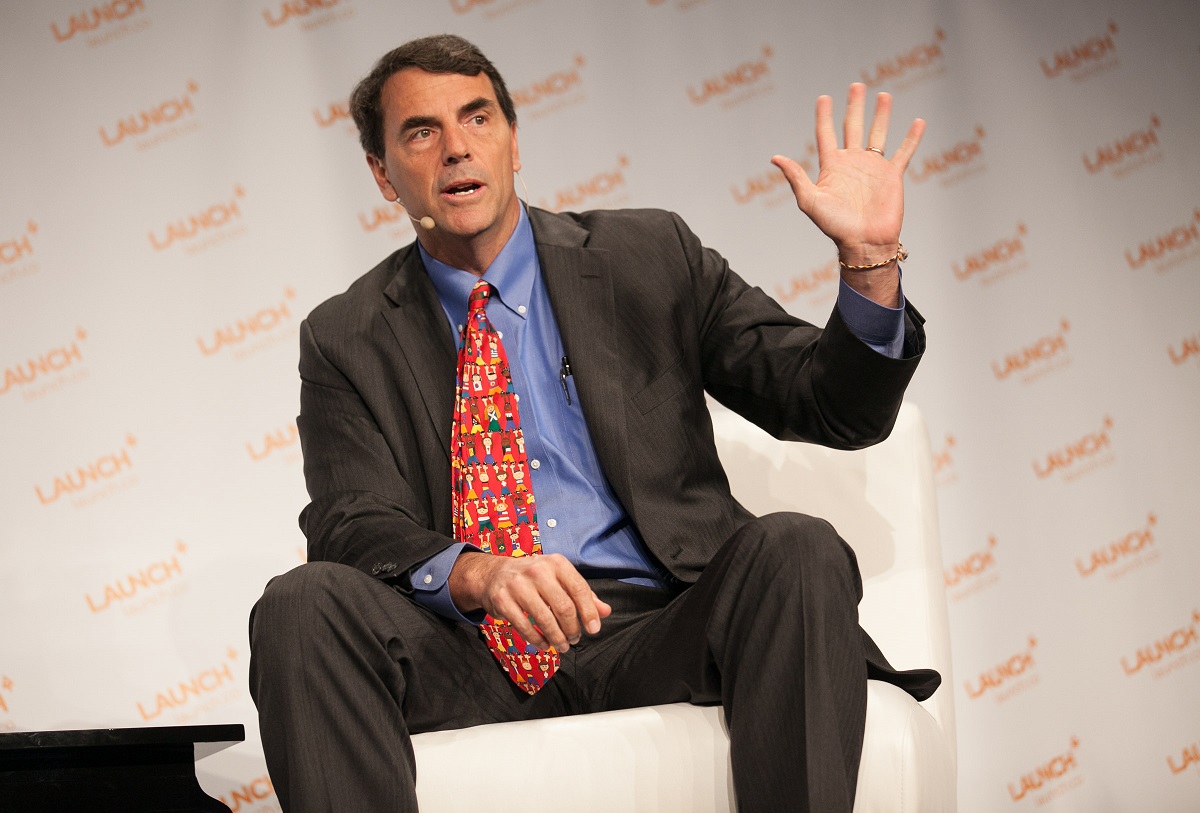
- Silicon Valley’s Tim Draper backs Nairobi blockchain festival, sees Africa as next digital frontier
- Dangote breaks ground on $16bn Lamu refinery as East Africa seeks fuel independence
- Gulf and African states meet in Dar to rewrite rules of labour migration
- African governments drive new forest finance progress as global report warns funding globally must scale faster
- Fine Spinners eyes Kenya’s Agoa-backed apparel supply chain with $5m plant
- Why young Kenyan investors need to stop treating the stock market like a betting slip


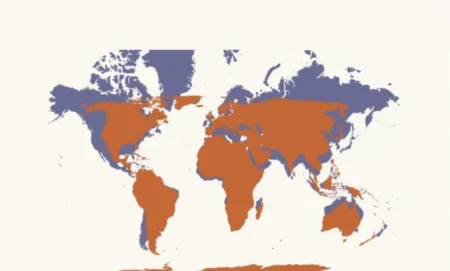
For generations, millions of people have looked at world maps that make Africa appear smaller than it really is. A recent United Nations (UN)…

Here’s a question worth sitting with: how much growth are…
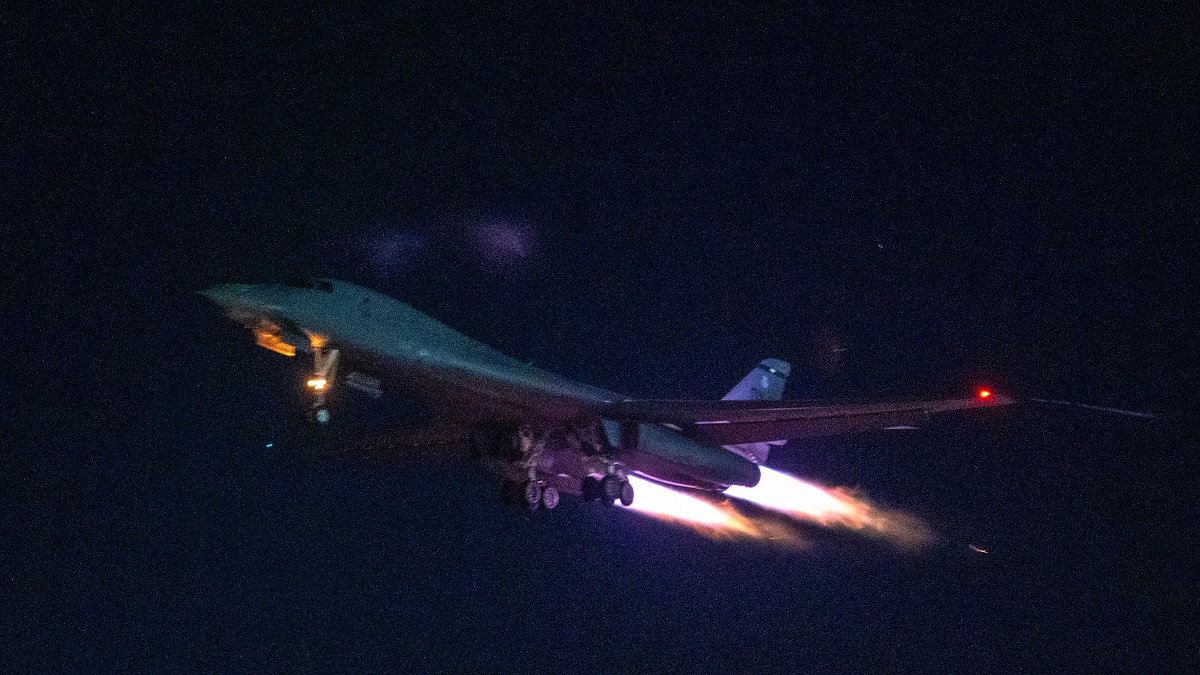
Geopolitics: Not since the wars in Afghanistan and Iraq reshaped…
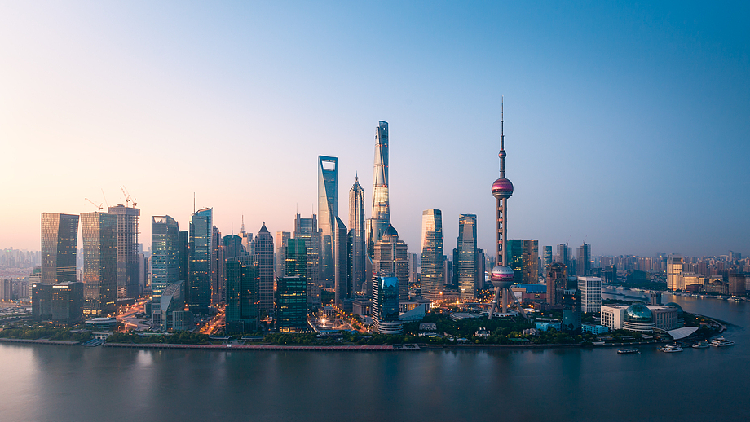

Indeed, African governments are reaping a plethora of benefits from the inclusion by international financial…

The Dubai Chamber of Commerce and Industry has been instrumental in enabling Dubai’s business sector…
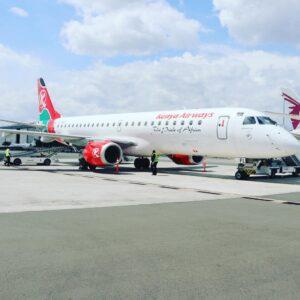
Benefits of the agreement include strategic positioning in global aviation and diversification of earning streams…

The telco sustained 190,273 direct and indirect jobs during the year Safaricom registered its first…
Special Drawing Rights (SDRs) are a reserve asset created by the International Monetary Fund (IMF) to supplement its member countries’ reserves.
According to the IMF’s website, a total equal to US$943 billion in SDRs has been allocated to date from the time they were created in 1969. This figure is inclusive of the SDR456 billion approved on the 2nd of August 2021. This most recent allocation was made necessary by the need to help countries around the world to cope with the effects of the COVID-19 pandemic. The value of the SDR is based on a basket of five currencies which include: the US dollar, the euro, the Chinese renminbi, the Japanese yen, and the British pound.
Suicide has become a major urgent public health crisis in the continent and has led to the premature death of especially productive youth in their prime—the future builders of the continent.
According to the World Health Organization (WHO), more than 700,000 persons die by suicide every year globally and it is the fourth leading cause of death among 15 to 29-year olds. From job losses, trauma, abuse, mental health disorders and barriers to accessing health care these are just but a few triggers to committing suicide by many millennials.