


Trending
- Kenya’s construction costs surge at fastest pace in four years as fuel price shock hits
- African trade is growing despite the obstacles
- Why global capital is betting big on Africa’s digital promise
- Kenya posts stronger-than-expected Q1 growth at 5.3% on manufacturing rebound, tourism boom
- China’s new investment rules are about guardrails, not closed doors
- Zanzibar optimistic economic growth will hit 7.5% on tourism boom
- Kenya defies economic shocks to post record $22 billion in tax collections
- Forget South Africa: East Africa now rules in banking industry returns


Author: Giza Mdoe

Giza Mdoe
Giza Mdoe is an experienced journalist with 10 plus years. He's been a Creative Director on various brand awareness campaigns and a former Copy Editor for some of Tanzania's leading newspapers. He's a graduate with a BA in Journalism from the University of San Jose. Contact me at [email protected]
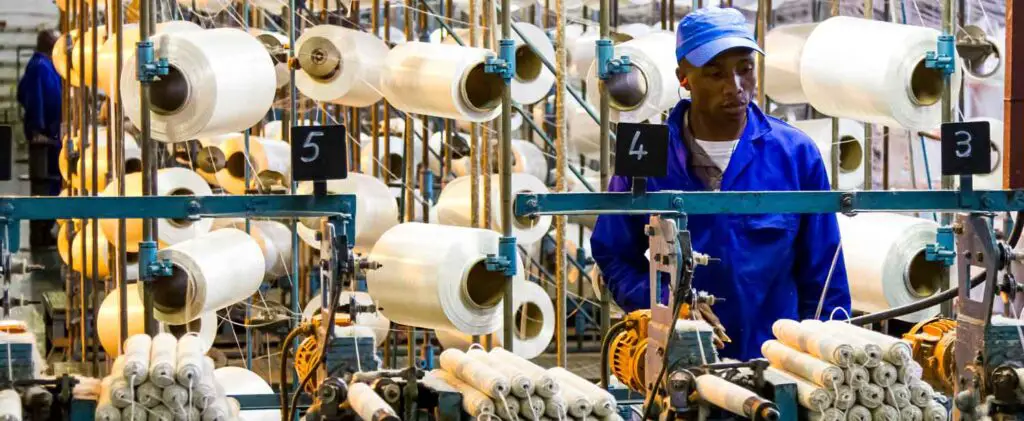
A recent index report showed that Tanzania’s agro sector is mechanizing rapidly on the back drop of value addition mini-factories, the revolution is not unique to Tanzania, it is happening continent wide and North Africa is leading.
Evidence to this fact lies in the pages of the Africa Industrialization Index (AII) report that show more than 35 of Africa’s 52 countries have become more industrialized over the span of the last decade.
The multi-stakeholder report, prepared by the African Development Bank, the African Union and the United Nations Industrial Development Organization (UNIDO), attests to an ongoing industrial revolution in Africa.
The Africa Industrialization Index (AII) uses 19 indicators to rate each country’s level of industrialization ranging from performance of its manufacturing sector, capital, labor to a country’s business environment, its infrastructure and even its entire macroeconomic status.

With financial inclusion in mind, governments are taking notice and offering more supportive regulatory frameworks, ever further assuring that the African fintech industry growth rivals that of more mature markets, the likes of Vietnam, Indonesia, and India.
Despite the high potential seen in East Africa, with countries like Kenya standing out, South Africa still commands approximately 40 per cent of the industry revenues.
On the western part of the continent, too, in places like Ghana, growth is at 15 per cent per annum and will only get higher all through 2025. Then you have the larger economies coming in; Nigeria and Egypt are both expected to enjoy annual growth rates of 12 per cent over the same period.
While growth rates at this early stages are higher in less developed East African countries, economies with more mature financial systems and digital infrastructure, the likes of South Africa stand a greater chance of executing more innovation in the fintech industry and implementing security measures such as regulatory technology including anti-money laundering.
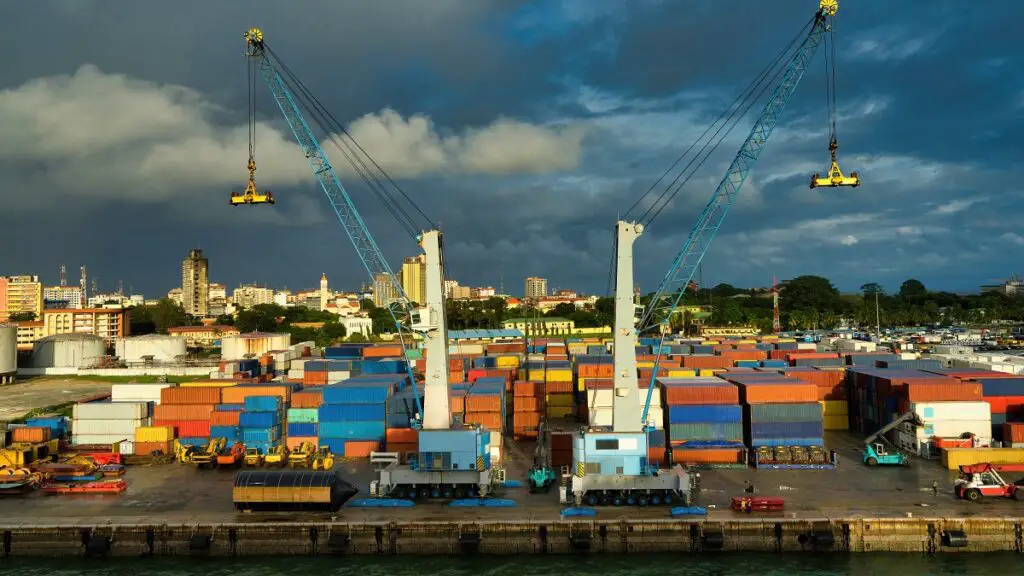
As countries and entire regions react to the global pandemic by seeking to strengthen their resilience, they will, on one hand, cut dependence on sourcing or at least diversify their sources and on the other hand, improve their own responsiveness to demand.
That is where agriculture technology comes in, because what is bound to happen is shorter supply chains will emerge and Africa food security will be undermined.
The continent, while prioritizing transport infrastructure will do well by investing in human resource development and agriculture technology to diversify Africa food sources and Africa food security. The future is in automation, so if a country has the needed human resource it can invest in developing value chains tended by a more technical labour working its agriculture technology.
To build Africa food security, the huge population of Africa youth can offer great competition to the rest of the world if it is educated to meet the global technical needs as ever more intangibles hubs form.

In the wake of the global economic slowdown, JETRO has opened a support desk to assist Japanese companies expansion in Africa and also helping African firms enter the Japan market, JETRO CEO Sasaki said.
The forum highlighted the importance of supporting startups, emphasis on green investment, development of human resources and Africa food security.
Through the JETRO forum, the Japanese business community launched an investment fund for startups in Africa valued at over 10 billion yen.
JETRO CEO Sasaki said the forum also catapulted launch of the Green Growth Initiative with Africa valued at 4 billion dollars that will finance public and private cooperation ‘toward a structural transformation to achieving net zero.’

The 2023 Africa Prize for Engineering Innovation shortlist represents ten African countries, including first timers Angola and Sierra Leone, and demonstrates the importance of engineering as an enabler of improved quality of life and sustained economic development.
The UK Royal Academy of Engineering shortlist of innovations tackle challenges central to the UN’s Sustainable Development Goals, including clean water and sanitation, sustainable cities and communities, good health and wellbeing, and clean energy, good health and wellbeing, and quality education.
Several water innovations are featured in the shortlist Africa Prize Engineering Innovation, including a real-time water quality monitoring and control system, an acid mine drainage solution to recycle contaminated water for human consumption, a portable unit that uses fish waste to boost production of vegetables, and a water management system to prevent excess borehole pumping and drying out of aquifers.

In the move to a cashless society, Rwandans are also showing appreciation for this leadership and quality of service, again the numbers say it all, MTN customer market share increased by 2.9pp to 65.7%.
Rwanda, as most all of the rest of Africa, is experiencing continued increase in demand for data. This demand puts pressure on delivering the needed services at affordable rates, especially giving the increasing cost of data. So it is worth noting and a lesson for the rest of the East African bloc, that the government of Rwanda has taken a bold but very visionary move in changing its Broadband policy.
Rwanda has shown its commitment to accelerate broadband coverage by adopting such measures as the introduction of wireless technology neutrality, which has significantly allowed for improved efficiency. On the ground, this is translated in the form of rolling out of next generation technologies like LTE and 5G all of which help create a cashless society.
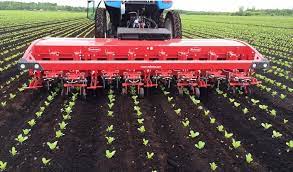
There is a shift, a change in the nature and composition of Tanzania’s workforce from labour-intensive to skilled labour. This shift is well received as the report authors describe it as ‘a good sign of economic transformation’ it is a sign Tanzania mechanisation.
The report authors contend that the fact that the proportion of labour employed in agriculture has decreased while that in other sectors, notably manufacturing and services, has increased, then it is a clear sign of an industrializing nation.
Agriculture mechanization in Tanzania is also evident in the fact that even though employment in the sector is decreasing, but the sector’s overall performance is actually increasing.
According to Tanzania’s Commissioner of Financial Sector Development, Dr Charles Mwamwaja, between 2015 and 2019, the agriculture sector grew at an average of 5.2 per cent, while the subsector of agricultural products continued growing at an average of 5.8 per cent.
In 2020, the Center for Food Safety (CFS) in the US won a major legal battle against just such herbicides and pesticides right along with GMO crops.
The win did not come easy. It was the result of years of litigation against Monsanto’s toxic pesticide, in this case, called dicamba, before a federal court issued the ruling. The win was a double-edged sword in that it banned the pesticide and it also banned the use of GMO crops that were designed to withstand the effects of the said pesticide.
In the ruling, the US Ninth Circuit Court of Appeals ordered that EPA’s approval of the pesticide in question be revoked with immediate effect and application also stopped. The reason farmers took the GMOs and the related pesticides to court in the first place is the same reason the South African activists are decrying the sale of the weed killer there; it simply is not safe for humans, animals and crops as well.
Factors for the low adoption rate surround the lack of sector information. For example, the researchers point out that there is ‘uncertainty among potential adopters with respect to potential gains vis-à-vis the cost of adoption.’
Other factors include the cost of adoption and use of modern agriculture technology and lack of adequate knowledge on how to use modern agriculture technology when it is available.
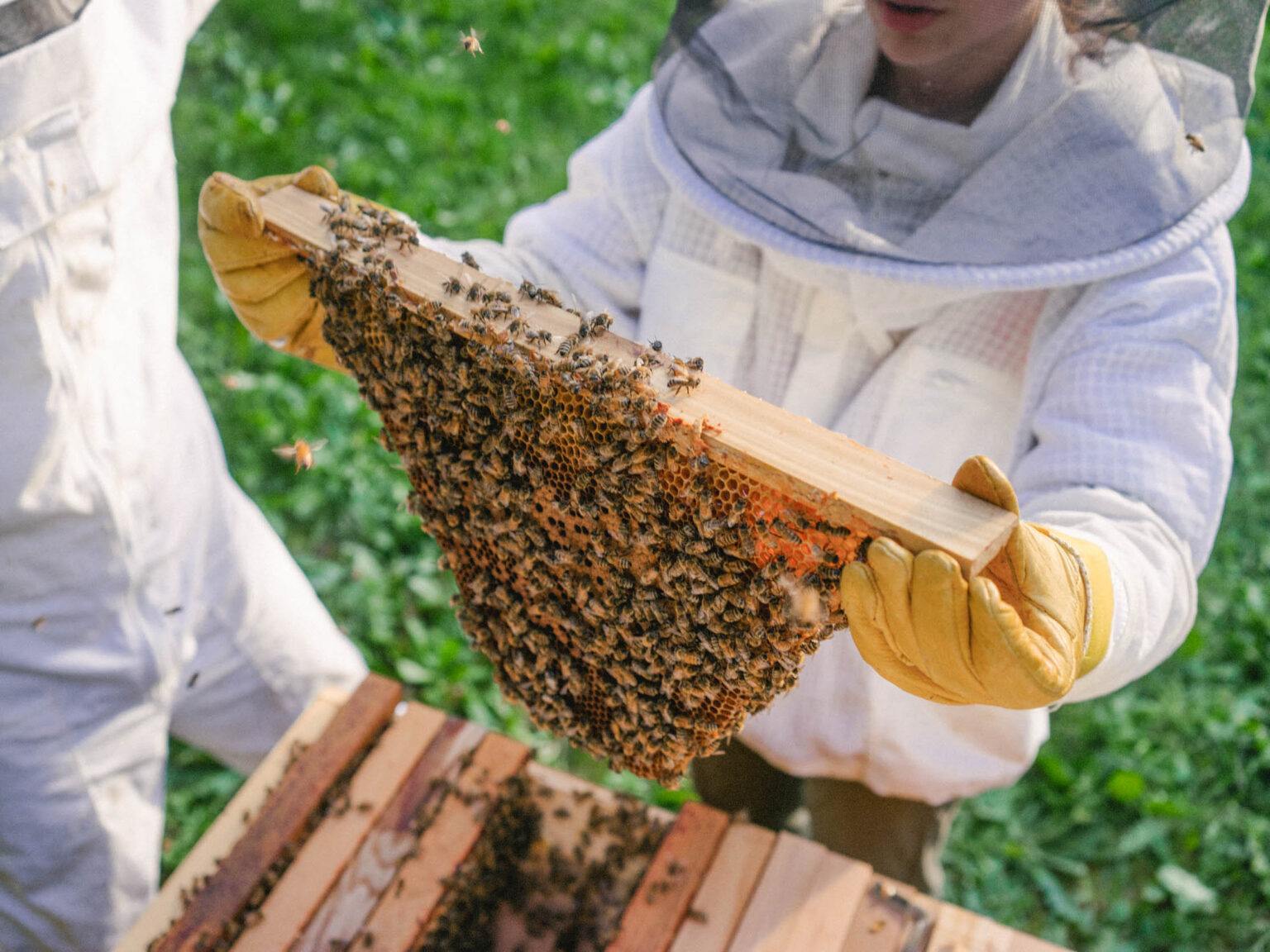
Introduction of modern agriculture technologies in beekeeping is expected to enhance efficiency along with beekeepers’ earnings and welfare in Tanzania. This is because about 99%, beekeeping in Tanzania is done by small scale beekeepers who use traditional beehives made of logs, barks and guards.
Even the harvesting process is very rudiment using fire and smoke to keep bees away, a hazardous trade especially considering that most traditional beehives are kept high on trees.

According to the 2022 National Tourism Survey, tourism earnings in Tanzania have shown positive comeback post Covid-19.
The figures indicate a good recovery trajectory with data showing that the sector is up 83% having earned an impressive 1.4 billion USD and tourist receipts of 922,692 which represents an increase of about 48.6% compared to the 2020 performance.
According to the Tanzania National Five Year Development Plan 2021/2022-2025/2026, the country targets to attract 5 million tourists and garner revenues of US$ 6 billion.
The tourism sector contributes to the country’s GDP by an impressive 17%, and its contribution to foreign exchange earnings is more than a quarter (25 percent) of the country’s total foreign exchange earnings.