

Trending
- Kenya’s construction costs surge at fastest pace in four years as fuel price shock hits
- African trade is growing despite the obstacles
- Why global capital is betting big on Africa’s digital promise
- Kenya posts stronger-than-expected Q1 growth at 5.3% on manufacturing rebound, tourism boom
- China’s new investment rules are about guardrails, not closed doors
- Zanzibar optimistic economic growth will hit 7.5% on tourism boom
- Kenya defies economic shocks to post record $22 billion in tax collections
- Forget South Africa: East Africa now rules in banking industry returns


Author: Giza Mdoe

Giza Mdoe
Giza Mdoe is an experienced journalist with 10 plus years. He's been a Creative Director on various brand awareness campaigns and a former Copy Editor for some of Tanzania's leading newspapers. He's a graduate with a BA in Journalism from the University of San Jose. Contact me at [email protected]
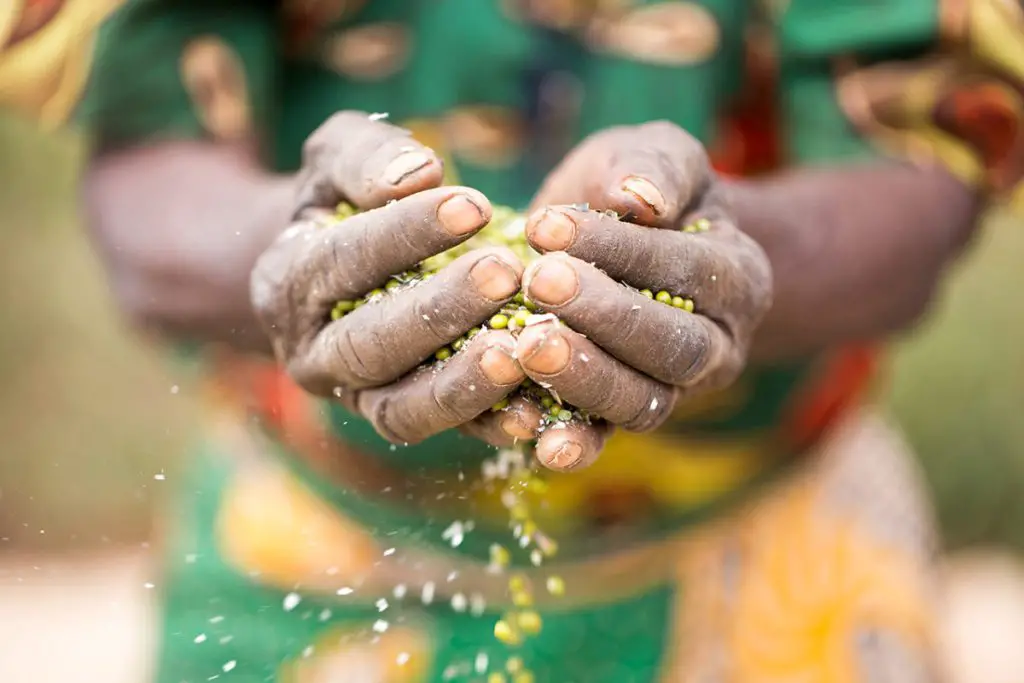
Worse still, the institute points to a much deeper conspiracy to force African farmers to buy agro-inputs from large corporations. In its report, the Oakland Institute says AGRA ‘imposes a regime in which farmers lose power over their own seeds and are forced to buy them back from large corporations year after year.’
“This system may also contribute to the marginalization of women.9 million smallholder farmer households, who are witnessing increased food security through AGRA’s direct interventions,” reads the report in part.
Then there is the matter overarching matter of climate change. The Food and Agriculture Organization (FAO) warns that the use of synthetic nitrogen fertiliser will increase nitrous oxide emissions, which increase the atmospheric temperature significantly.
A favourable balance of payment translates to good exchange rates for the shilling against the dollar. A strong shilling means more value per shilling, allowing the country to make even larger purchases or investments.
Another aspect is the fact that a decrease in the oil price should translate to similar, if not multiple decreases in the cost of doing business and even the cost of living. This is because the cost of transportation is expected to fall, and with it, the cost of the goods being delivered is another gain for Africa (where borders were not closed during that time).
Also, in economic terms, there is a difference between an increase or decrease and rise or fall in price. An increase or decrease in price means a short-term price hike or price drop, which is what we expected to see during the period of oil price increase/decrease.
On the other hand, rise/fall in price refers to persistent increase/decrease over a prolonged period. When this happens, we see sustained inflation or deflation, that is, the general increase or decrease in the price of goods and services over time.
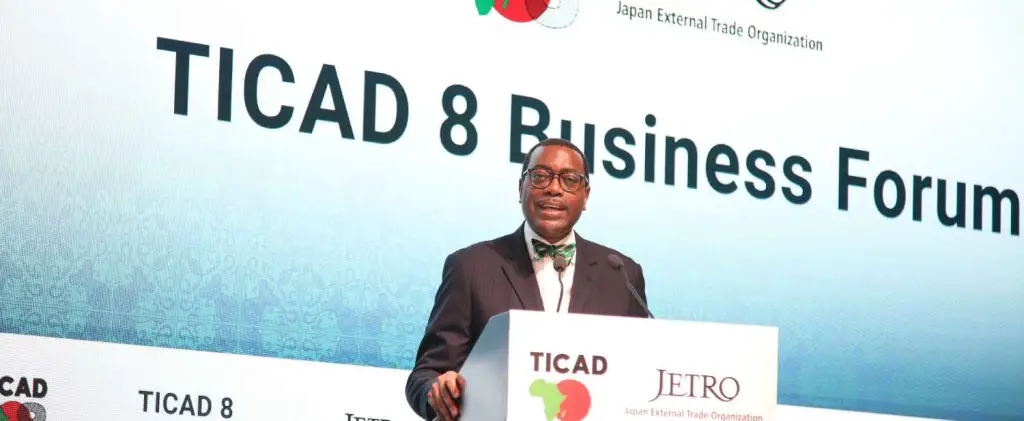
GuarantCo is one of the six partners that make up the Africa Co-Guarantee Platform. Others are the African Development Bank, African Trade Insurance Agency (ATI), African Union Development Agency (AUDA-NEPAD), GuarantCo (part of PIDG, the Private Infrastructure Development Group), the Islamic Corporation for the Insurance of Investment and Export Credit Insurance (ICIEC), and Afreximbank.
Speaking recently at the Platform’s Steering Committee Meeting, Afreximbank’s Director of Guarantees and Specialized Finance Kofi Asumadu-Addo, said, “…this is a critical moment, and the CGP is needed more than ever.”
He went on to point out that the Covid-19 pandemic, and the Ukraine crisis have resulted in macroeconomic challenges that require urgent action and it is only by working with large organs like the AfDB that action can be taken.
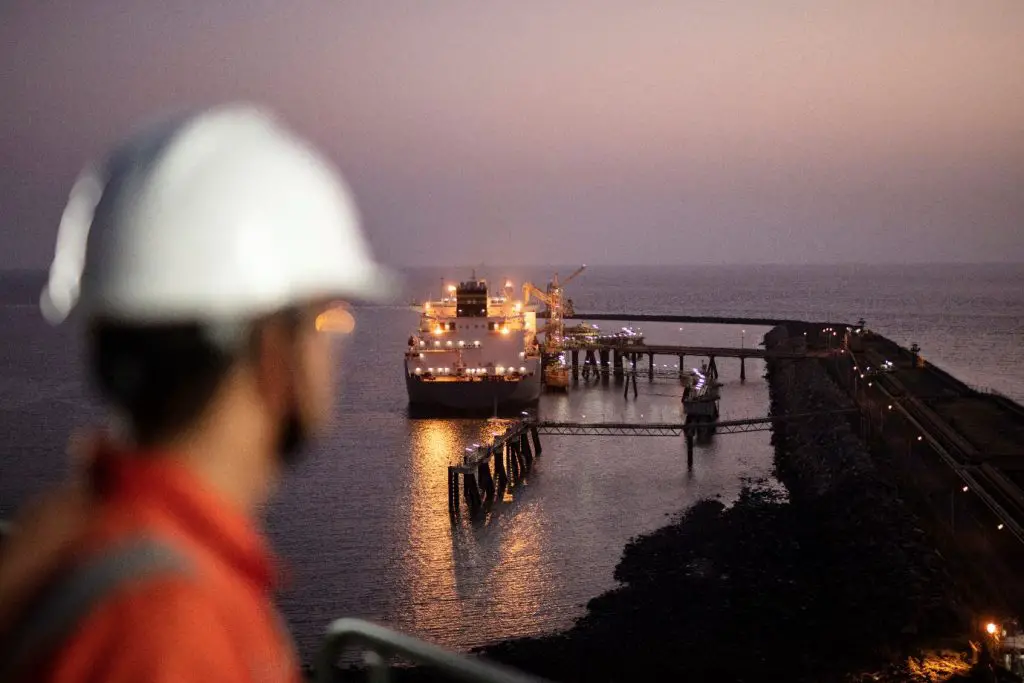
Only last December, the OPEC (and partners) coalition agreed to chop oil output by 1.7 million bpd, and in turn, Saudi Arabia agreed to cut its output by 400,000 bpd. However, Moscow is now backing away from more cuts in production because reducing production would give breathing room to the already suffering US producers.
The US remains unmoved. It refuses to lower output despite the falling oil prices that have seen Washington suffer a minus US$4 in oil futures. Meanwhile, the Kremlin’s response has been to flood the market with even more oil output to push prices down.
While US oil producers have previously proved to be rather resilient to low prices, managing to counterbalance prices as low as US$30 per barrel in the past (see details below), they may not fare so well this time around.
The shale producers were already suffering over the last year as Moscow waged an outright oil price war on them, persistently flooding the market to keep prices down. Needing prices to stay at US$65 per barrel to at least break even, let alone sniff a profit, many US producers filed for bankruptcy.
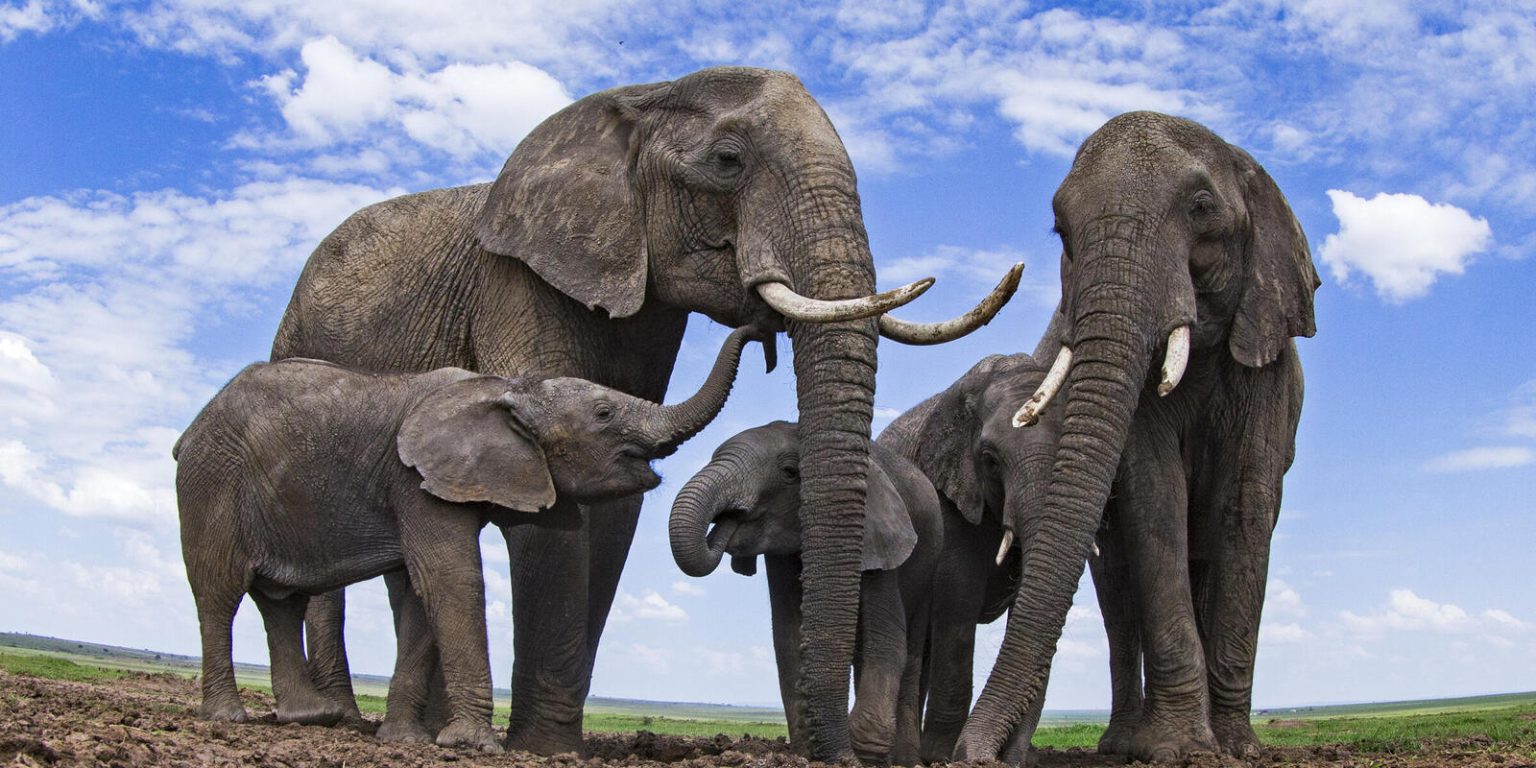
On behalf of Tanzania’s Minister for Tourism and Natural Resources, Director of Wildlife Division, Dr Maurus Msuha said; “The project is key especially in our changing environment as many of our wildlife movement corridors are increasingly becoming fragmented to reduce encroachment and conflicts.”
The project will extend across five years to restore destroyed wildlife corridors along with supporting the surrounding communities. As such, the majority of the funding will go into strengthening the institutional capacity of key players from both the public and the private sectors.
“Although we cannot reverse previous damage to wildlife and natural resources, moving forward, USAID Tuhifadhi Maliasili will foster sustainable management at the community and national level,” Dr Masuha told stakeholders.
The project will engage and empower women and youth groups at both local and national levels. It is only through such communal engagement that the project can be sustained. A key part here is conducting awareness campaigns on the importance and relevance of ecosystem protection and environmental conservation.
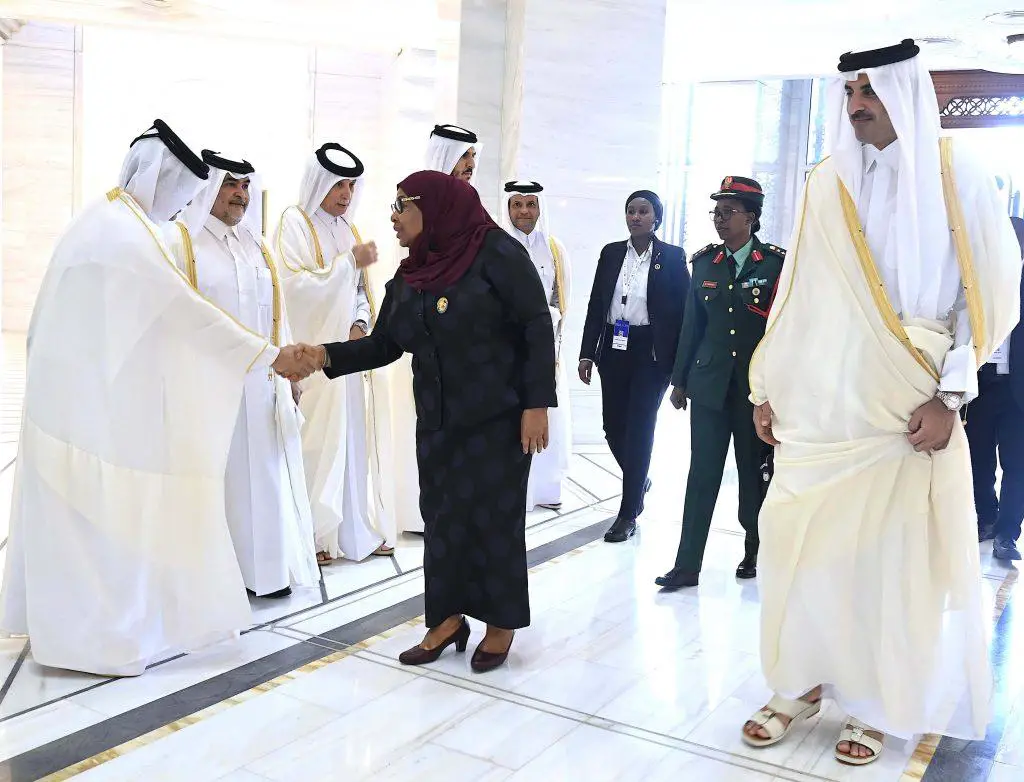
By agreeing to remove double taxation the countries also agree to remove barriers to bilateral investment and trade between one other. It is just as well because trade and investment between the two are growing.
Only recently the UAE renewable energy firm Masdar went into a deal with Tanzania to conduct several solar and wind power projects in the country. Similarly, the Emirates also signed several trade financing agreements with a few countries in West Africa as the UAE makes its mark in global economic growth.
Qatar is only the latest of the United Arab Emirates that Tanzania is making trade and investment deals with. In February this year, Tanzania participated at the World Expo Dubai 2020 to promote its products and opportunities.
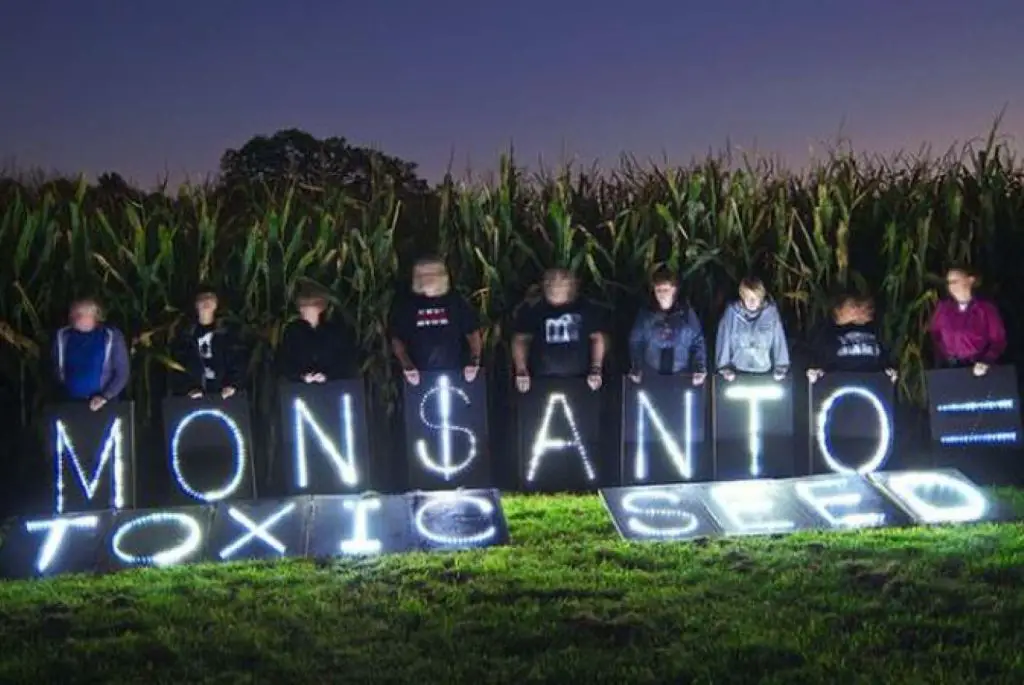
While Tanzania has approved genetic engineering research and has no issue with the safety of GMOs, across the continent in Nigeria, the story is different. The leading economy in Africa is against genetic engineering and/or the consumption of GMOs.
Stakeholders are calling on the government to revisit its biosafety laws to protect its people from what they describe as the uncertain safety of GM products.
Local media in Nigeria report worrisome findings of a survey by the Health of Mother Earth Foundation (HOMEF), which was conducted across nine major cities in the West African country that revealed over 30 food products found in the Nigerian market are GM products.
The products range from vegetable oils and cereals to ice cream and spices. Ok, so there are various GMOs on supermarket shelves in Nigeria. Is it a crime? No, in fact it is perfectly legal to import, sell and consume GM products in Nigeria.
To combat climate change and to mitigate its effects, Africa must adopt modern agriculture technologies, machine innovations and engineering for resilient crop varieties. Modern agriculture technologies help to manage farmers’ risks and even improve product quality which in turn brings about better prices.
Also, when it comes to modern agriculture technologies, there is renewed attention towards value addition, agro-processing and post-harvest management. These factors add to the need for increased investment in agriculture because they all translate to increased income and creation of employment opportunities.
This brings us to the question of funding. Where are countries supposed to get the money to invest in agriculture? To answer this question, African countries, almost all 55 of them, signed the 2003 Maputo Declaration, pledging to dedicate 10% of their annual budget to agriculture, but to date, few have done so.
Switching from coal to renewable energy is vital for South Africa to stabilize its power output and to create employment. The switch from coal to renewable energy is costly and many African nations are dragging their feet.
The situation is further exasperated by the fact that of recent years, many African nations have been discovering oil and many more are conducting explorations offshore. The potential of changing their economies from the sale of crude oil is far too promising to forgo.
This is a point that will be driven home at the upcoming COP27 in Egypt later this year. Africa will be looking to push the West to provide funding for the renewable energy transition. This time around, the South Africa deal stands as a concrete example that with sufficient funding, the transition is not only doable but plausible and strung with multifaceted benefits including employment.

Government records show that tourist arrivals in Zanzibar slid down slightly to 42,443 visitors in January 2022 compared to a high of 49,868 visitors in January 2021 and 48,167 visitors in December 2021.
Notably, tourists from Europe continue to dominate the market as they account for 83.0 per cent of the total number of visitors who went to Zanzibar this past January 2022. Here are the percentages per country; Poland dominated the outcome, with a high of 15.4 per cent of all visitors that entered Zanzibar as of January 2022.
Despite the war back home, next in line to visit Zanzibar tourist attractions were tourists from Ukraine who accounted for 13.1 per cent of all tourists that went to Zanzibar as of January. Zanzibar tourist attractions are renowned in the world and attract thousands of tourists every year, however, there is need for increased investment in the sector and that is why events like the Z-Summit 2023 are very important.