

Trending
- Kenya’s construction costs surge at fastest pace in four years as fuel price shock hits
- African trade is growing despite the obstacles
- Why global capital is betting big on Africa’s digital promise
- Kenya posts stronger-than-expected Q1 growth at 5.3% on manufacturing rebound, tourism boom
- China’s new investment rules are about guardrails, not closed doors
- Zanzibar optimistic economic growth will hit 7.5% on tourism boom
- Kenya defies economic shocks to post record $22 billion in tax collections
- Forget South Africa: East Africa now rules in banking industry returns


Author: Giza Mdoe

Giza Mdoe
Giza Mdoe is an experienced journalist with 10 plus years. He's been a Creative Director on various brand awareness campaigns and a former Copy Editor for some of Tanzania's leading newspapers. He's a graduate with a BA in Journalism from the University of San Jose. Contact me at [email protected]
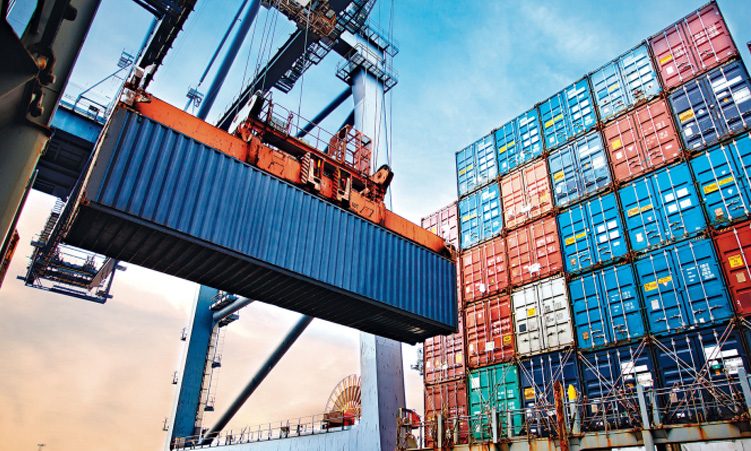
The African Continental Free Trade Area (AfCFTA) could deliver far greater benefits in terms of jobs, growth, and poverty reduction than previously estimated – making it a potential game changer for Africa’s economic development if its ambitious goals are fully realized, a World Bank 2022 report indicates. Two key points stand out in that World Bank statement, first ‘AfCFTA could deliver greater benefits…than previously estimated,’ and second, ‘if it’s ambitious goals are fully realized.’ The first point begs the question how could a continent-wide trade pact be undervalued,’ and the second is the possibility that the one trade zone…

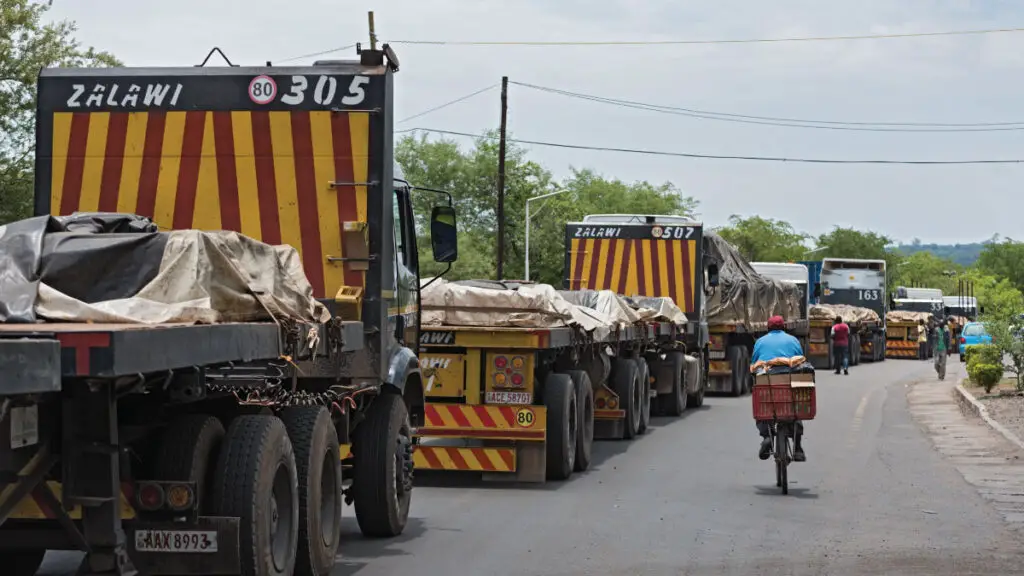
China reopening after lifting restrictions under the zero-Covid-policy 2023 to be a tough recovery year for Beijing President Xi Jinping to lead China recovery As China is about to finish the Year of the Tiger in January in what was meant to be a year of recovery, what is in store for Sino-Africa relations? President Xi Jinping has had his hands full this past few years the least of reasons not been the Covid-19 that has severely slumped China’s otherwise skyrocketing economic trajectory. To keep its people safe and to some extent, to show the world that it is taking…
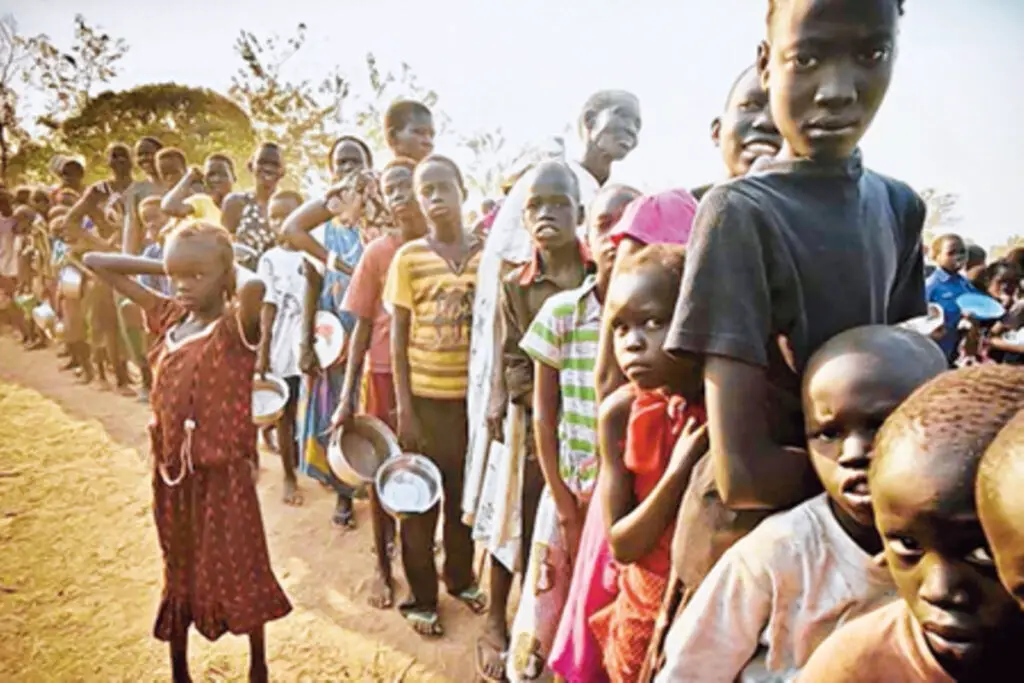
Over 20 million children in the Horn of Africa will suffer severe hunger, thirst and disease in 2023 Africa food crisis blamed on climate change and the Russia-Ukraine war The continent continues to invest millions for future projects as millions die by the day A prolonged drought linked to climate change is being linked to a severe food crisis in the Horn of Africa with millions in parts of Ethiopia, Somali and Kenya facing staring death as a result of extreme hunger. According to the UN Children’s Fund (UNICEF), the number of children suffering from dire drought conditions has more…

The Russia-Ukraine war has impacted Africa’s economic growth by increasing food shortage Africa is facing impending food crisis that will see over 140 million go hungry in 2023 Economists remain optimistic Africa can recover against all odds Economic growth in Sub-Saharan Africa (SSA) was projected to contract from 4.1% in 2021 to 3.3% in 2022, a regression caused by a general global economic slowdown. Africa’s dependency on long supply chains left it vulnerable to adverse economic conditions in the global market and the global supply end. Covid-19 dealt the world a blow but Africa sailed through the storm, barely. However,…
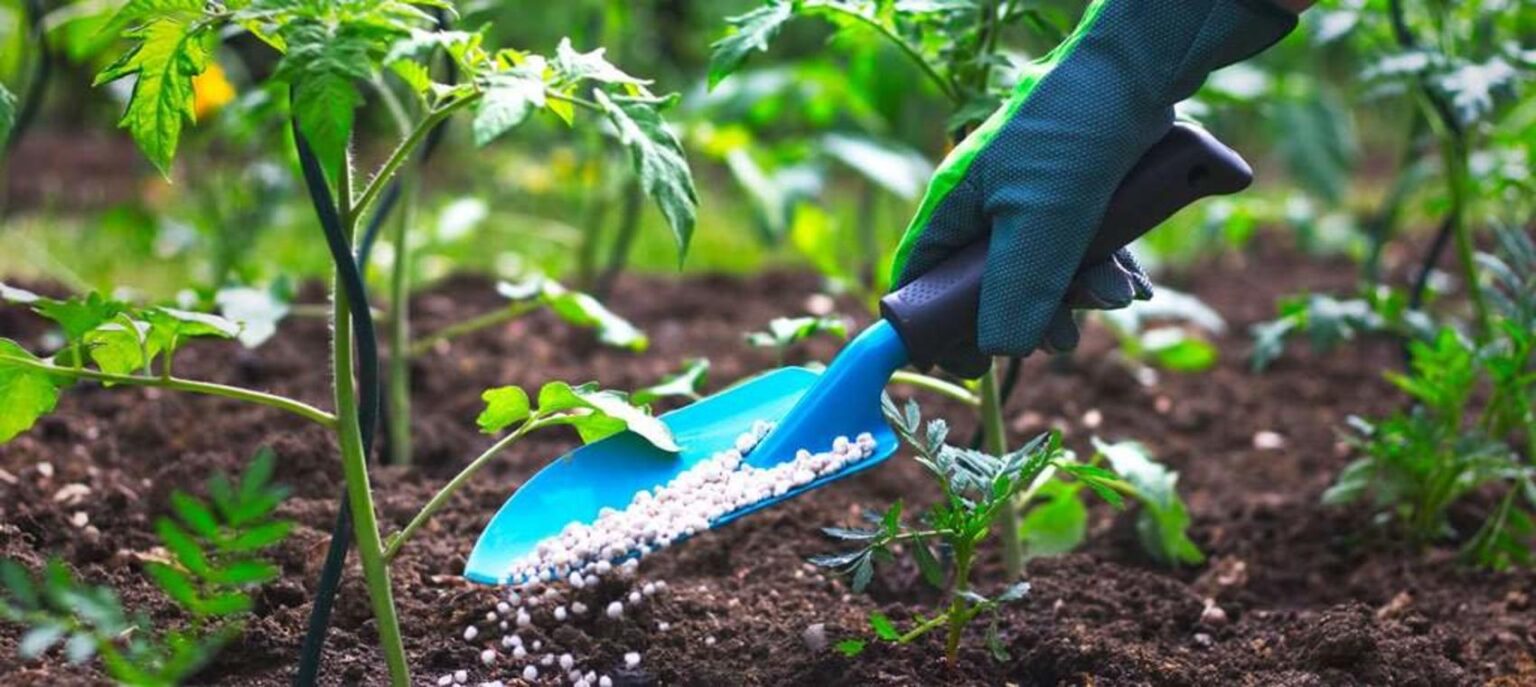
Africa produces more fertilizer than it consumes yet it imports to meet demand gaps Poor inter-country trade facilities affect fertilizer supply chain within the continent Developed countries use up to seven times more fertilizer per hectare than Africa Recent reports show that fertiliser prices have tripled since early 2020 and remain volatile, putting a previous stable supply of fertiliser out of reach of many small farmers impacting food security across the continent. The reason for this decline in access to fertilizers and hence the increase in global prices has been two fold; first the Covid-19 pandemic disrupted supply chains then…
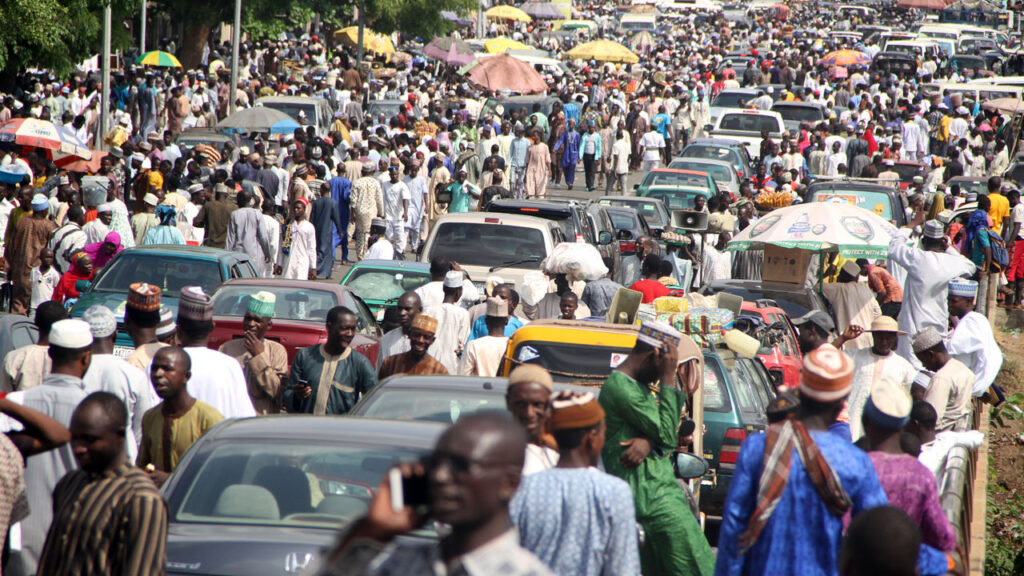
By 2050, a quarter of the world’s population (25%) will be in Africa Africa Investment Forum (AIF) raises US $31 billion in investment deals Only 33 of Africa’s 51 countries have signed the single passport protocol and only four have ratified it Come 2050, a quarter of the world’s population (25%) will be in Africa, that in itself is a good enough reason to invest in Africa and for Africa to invest in education and workforce skill upgrade. In fact, according to the African Development Bank (AfDB), there are two other factors that beg for increased investment in Africa. First…
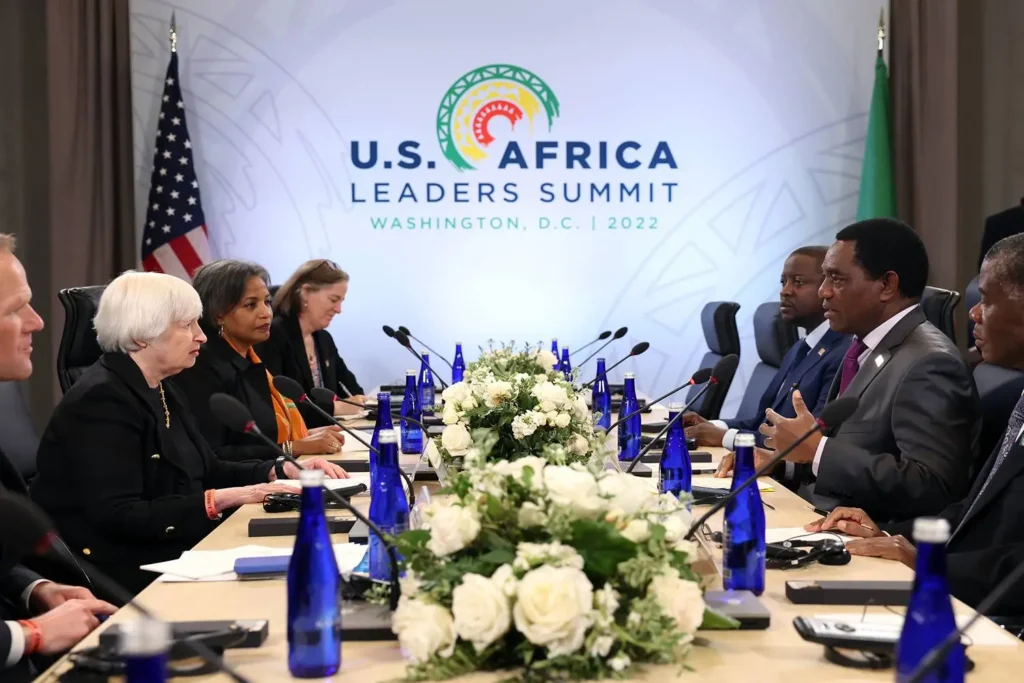
US$55 billion to be invested in Africa over the next three years along with several new partnerships and initiatives. The U.S.-Africa Business Forum was held and attended by 300 executives from American and African companies. For African youth development, the US announced more than $100 million in funding for the Young African Leaders Initiative (YALI). This year’s U.S. Africa Leaders Summit (13-15 Dec) in Washington has been defined not by the African guest’s colourful dress code, but by the billions that were pledged in aid, grants and support. To the welcome of the flamboyant African leaders and businessmen, US officials and corporate…

Elon Musk Starlink satellite internet in Tanzania expected as early as first quarter of 2023 Tesla to access nickel and cobalt from Tanzania’s Kabanga mines by 2025 Tanzania, Kabanga form Tembo Nickel Corporation at 16% and 84% shares respectively Elon Musk in Tanzania: Did you know, there are over 3250 satellites hovering in the Lower Earth Orbit over you? The number is not shocking, what is impressive is the entire satellite constellation is owned by a single company, Elon Musk’s Starlink. In his ambitious effort to offer faster internet coverage globally, the world’s richest man actually plans to have…

Scientists in Tanzania are making headway in biotechnology to improve agriculture and healthcare in the country as global scientists continue to improve the biopharma industry and use of AI in drug development.
“Machine learning will end up being an absolutely critical, pivotal shift—a paradigm shift—in the sense that it will touch every single facet of how we discover and develop medicines , and accelerate and improve every single one of them,” Daphne Koller CEO and founder, insitro.
From AI-driven drug discovery industry in the US to biotech agriculture in Tanzania, machines are increasingly determine what we eat, what drugs to cure us, machines run our lives.

The reason farmers are forced to buy seeds is that projects like AGRA take away traditional organic seeds by giving subsidized GMO seeds, which cannot be replanted hence after harvest, the farmers must buy new batches of seeds to replant the next season.
In effect, forcing the farmers to rely on new purchases of seeds every year means the peasants are unwittingly caught in a cycle of dependency and poverty, for that matter.
Worse still, projects like AGRA that claims to introduce ‘modern agriculture technologies’ focus on using chemical-based fertilizers and pesticides and also push for monoculture, which locks the farmers in the dependency cycle; they have to buy more fertilizers to keep their lands productive, and they have to buy the same pesticides because of monoculture.
It is for such reasons that last year, AFSA released an open letter with over 200 signatories alleging that AGRA did not increase the productivity or incomes of farmers nor did it reduce food insecurity.