


- UAE has cemented its spot as the main refining, and export terminal for DRC gold.
- Statistics show that while Rwanda gold exports skyrocket, DRC South Kivu, a mineral rich zone is fast going dark.
- To counter illicit mineral export flows, DRC has launched domestic refining.
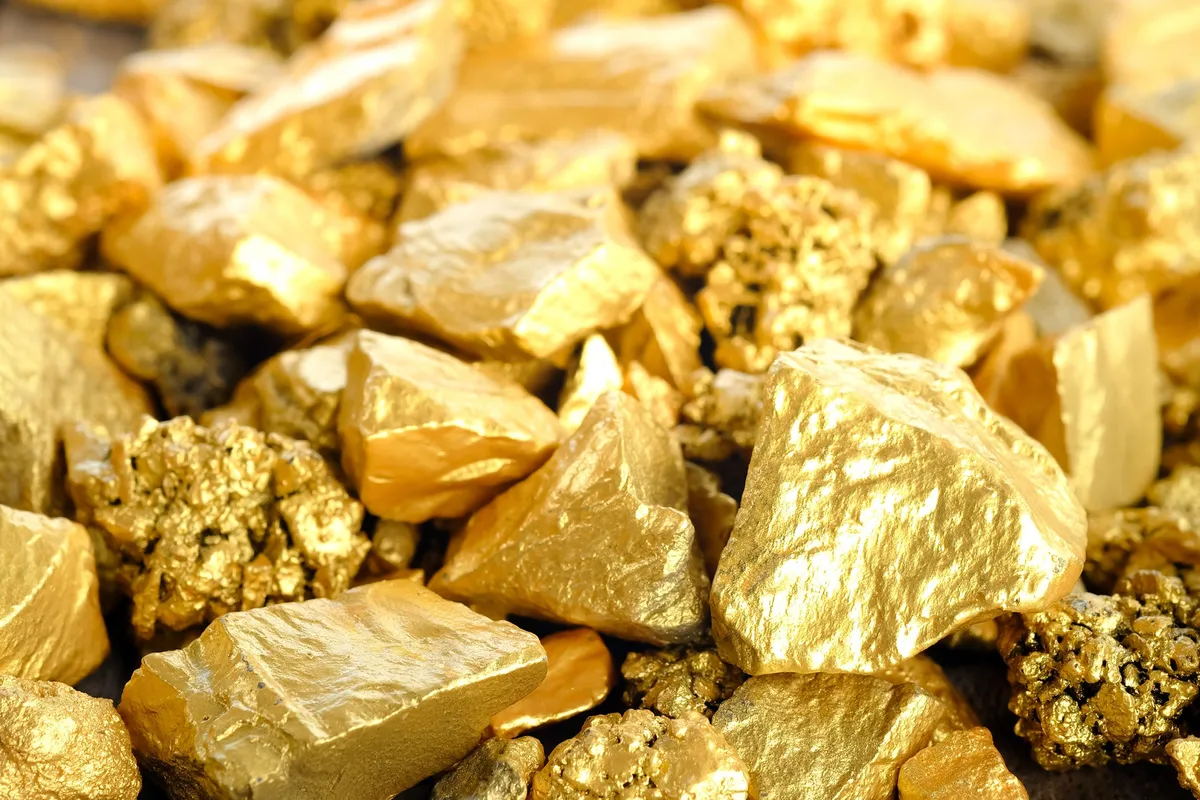
The freewheeling city of Dubai in the United Arab Emirates (UAE) is allegedly the main trade terminal for ‘dirty gold and blood diamonds’ extracted from the jungles of the mineral rich Democratic Republic of Congo (DRC).
“DRC mined gold and diamonds (mined in rebel controlled areas) are flowing through UAE trading networks, with Russia’s Africa Corps allegedly pocketing an estimated $180 million annually,” highlights the Global Initiative Against Transnational Organized Crime report, ‘Feeding the Furnace: Tracing opaque gold supply chains and deals in Central Africa.’
Published in January 2026 and updated in June 2026, Dubai is alleged to be the primary international terminus as well as the key refining hub for DRC gold and diamonds whose value chains remain highly questionable. Findings allege that for decades, minerals worth billions of dollars especially artisanal and conflict gold from eastern Congo, have been smuggled into the UAE.
The export of DRC gold and other minerals to the UAE for refining and trade has over the years been conducted through a partnership company deal between the two countries. When it was brought to light, the UAE pulled out of the deal, on paper at least, that was 2024. As of April this year, Abu Dhabi inked yet another mineral export deal with the DRC.
Let’s take a step back and illuminate the dark and murky history of the ‘less than legal’ trade of DRC gold and diamonds (among other minerals) to the UAE.
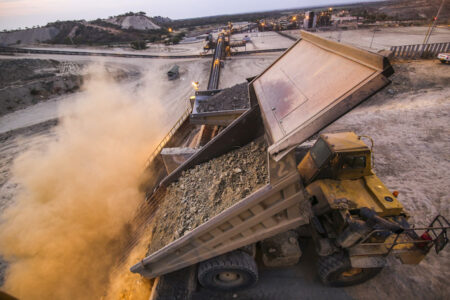
A two-year investigation by the Global Initiative Against Transnational Organized Crime shows that, in 2023, there was a joint venture between the DRC and the UAE which saw the latter receive more than five tonnes of artisanal gold from South Kivu province. The report says over $300 million worth of precious metal was shipped to a refinery in Abu Dhabi.
The primary entity responsible for the deal is Primera Gold DRC SA, a government owned monopoly that was tasked with formalizing the ‘dirt shrouded’ trade, ensure tax revenue is collected, and that armed groups are cut off from mineral financing.
That is what the DRC said about the monopoly, but the crime report investigation shows a different story. Analysis alleges that this company is behind supply chains from mines where armed groups collect tax, the very same ones that they are supposed to fight against.
In fact, according to the report findings, “Primera Gold never published a single due diligence report. Revenues from the DRC government’s 45% stake never appeared in state budgets… and the corporate structure behind the venture traced back to one of the most powerful men in the Gulf.”
Then, according to the report, the monopoly died in 2024 but dirty gold kept flowing from the DRC. As mentioned, that year, the UAE left Primera Gold and the DRC government assumed full ownership, and went on to rename the company DRC Gold Trading SA.
Also Read: Will China’s Renminbi Clearing Bank of Africa push out the dollar?
Investigation uncovers UAE part in cleaning dirty DRC gold
Primera Gold DRC SA was not only a DRC government entity but actually created in 2021 as a cooperation agreement between the DRC and the UAE. In this alliance, “the UAE provided military equipment and training to Congo’s army in exchange for exclusive mineral rights,” UN investigators revealed.
In fact, the UAE owned the majority share of the company. Data shows the DRC government held 45% stake while the UAE-registered Primera Group Limited held 55%. Most interestingly, the UAE also held exclusive rights to purchase artisanal gold from South Kivu.
According to UN, the company operated as a “de facto monopoly” on legal artisanal gold exports; “The contract ran 25 years and granted Primera Gold a 0.25% export tax a fraction of the 6% rate paid by competitors.”
According to UN investigators, the contract’s preferential terms and corporate structure were nothing short of ‘striking.’ The UN says the Primera Group Limited was represented by Sibtein Alibhai, whom UN investigators say has links to AR Gold, the notorious company known to buy gold from areas controlled by the NDC armed group as far back as 2012.
“This was a state-intelligence architecture dressed in corporate registration documents,” the UN reports.
The UN research backs the crime report alleging that; “the same actors, corporate vehicles, the same UAE state-linked interests…pursued exclusive rights over Congo’s 3T minerals (tin, tantalum, tungsten) through a parallel venture, Primera Metals DRC.
The UN report shows that the operational side of the deal involved military aid from the UAE in exchange for DRC mineral access. UAE was and is also availed preferential terms that keep out competitors, and provides for minimal oversight of supply chains that run through the notorious conflict afflicted eastern provinces.
In another report on the subject titled ‘Project Tantalus’ it is revealed that in the 2021-2024 UAE-DRC deal “…there was a systematic approach to securing Congo’s mineral wealth through structures designed to concentrate control while diffusing accountability.”
However, the reality on the ground is that M23, the Rwanda-backed rebels remained a key player and minerals kept flowing to and through Abu Dhabi. After the UAE pulled out in 2024 (on paper), in January 2025, M23 seized Goma and Bukavu which just so happens to be the capital of South Kivu and Primera Gold’s operational hub.
It will be recalled that South Kivu, accounts for over 90% of the DRC’s official artisanal gold exports, and after the M23 rebels seized it, the gold rich province went dark but the dirty gold kept shining bright.
Here, the UN report brings Rwanda to the forefront of the picture; consider this, despite having domestic production estimated at no more than 2.9 tonnes, Rwanda exported a shocking 19.4 tonnes of gold in 2024, and earned a whopping $1.5 billion. And you guessed it, the primary destination of all this gold was none other than the UAE.
“Rwanda kept earning from the dirty gold until in March 2025, when the EU sanctioned Rwanda’s Gasabo Gold Refinery for transiting illegally mined Congolese gold,” the UN reported.
Read also: Critical minerals top energy agenda as U.S.-Africa partnership deepens
Who is hiding the DRC dirty gold trails?
Today, it seems that gold from the DRC is all clean, no rebel involvement, no child labour or any international law violations, the same goes for DRC Gold Trading SA, the company is spotless, squeaky clean.
According to the UN report, if you run a standard check on DRC Gold Trading SA, you will get information saying it is a state-owned Congolese company that has no OFAC designations, and no Interpol notices as well.
The same goes for Auric Hub Ltd, the Abu Dhabi refinery that processed Primera Gold’s exports, the search does not trigger any red flags whatsoever.
“The sanctions, the armed groups, the child labor, the missing revenues…none of it surfaces in a database query,” queries the UN report.
The EU’s Corporate Sustainability Due Diligence Directive, which enters phased application from 2028, will require large companies to identify and mitigate adverse human rights and environmental impacts across their value chains.
The issue here is that the EU Conflict Minerals Regulation demands supply chain due diligence for gold imports, however, despite this legal provision, “…Primera Gold operated for over a year exporting $300 million in gold from documented conflict-affected areas without publishing a single due diligence report required under Congolese law,” says the UN report which also points out that even the required ICGLR audit of its operations was never conducted.
It seems that current screening tools simply do not capture the illicit flow of DRC gold. As the Project Tantalus report shows; “The relationships connecting conflict minerals to global markets is hidden in shared directorships, overlapping corporate addresses, and debt obligations between shell entities registered across multiple jurisdictions.”
The DRC government owned monopoly Primera Gold SA was and is supposed to be the legitimate, state sanctioned channel that was meant to formalize and ‘clean up’ DRC’s artisanal gold, it did not.
According to the report, the supply chain the company built kept operating through conflict zones, revenues generated disappeared from state budgets.
“The corporate architecture behind it (Primera Gold SA) connected this joint venture to private interests of one of the Gulf’s most powerful figures,” the report alleges.
Worse still, even when the company was ‘closed’ the flow of gold went on through Rwanda, through Gasabo, and back to the same refineries in the UAE.
“The geography of the DRC gold pipeline shifted but its destination did not,” the report concludes.
Today, the DRC is working to clean the supply chain, to this end, it launched its first state-owned gold refinery in Kalemie to refine its gold domestically effectively anchoring the shipping of raw ore to Dubai, will this work or will it end on paper?
Read also: US invites Kenya to lead critical minerals preferential trade zone