


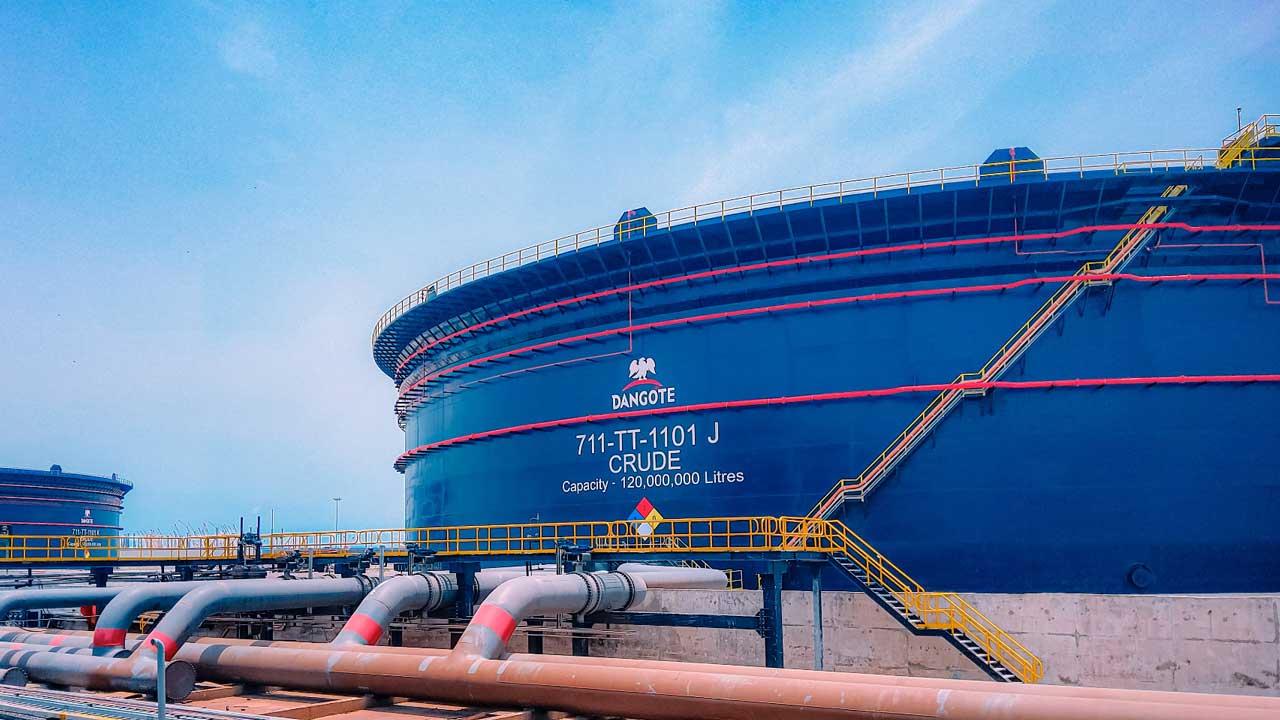
- Dangote Group’s major refinery in East Africa needed deep-water berths for supertankers and Kenya’s Lamu Port simply had the depth that Tanzania’s shallow Tanga harbours could not offer.
- A diplomatic blunder lit the fuse, but the real detonator was structural. Dangote Group’s major refinery in East Africa demanded speed, predictability and co-investment. Kenya delivered all three, while Tanzania’s 18-month land-permitting maze proved a deal-breaker.
Africa’s richest man and industrialist Aliko Dangote has finally settled on a port on Kenya’s historic Lamu Island over Tanzania’s Tanga area as the site for his planned 700,000 barrel-per-day oil refinery, an investment estimated at up to $20 billion.
For authorities in Dar es Salaam and Dodoma, the news could be a profound strategic setback, but a deeper examination of the disclosures reveals that Dangote Group’s decision is a classic case study of how structural investment gaps, not just diplomatic missteps, determine the fate of mega-projects.
Dangote Group’s major refinery in East Africa
While the story that made headlines centred on a diplomatic kerfuffle, especially touching Kenyan President William Ruto move to prematurely announcing Tanga as the site at a summit in April before Tanzania President Samia Suluhu appeared to have any knowledge about it, the underlying commercial logic on why Lamu Port was picked appears very compelling.
Industry executives and analysts point to several insurmountable advantages for Kenya’s new port city of Lamu that is slowly evolving into a logistics hub a short distance away from the Port of Mombasa.
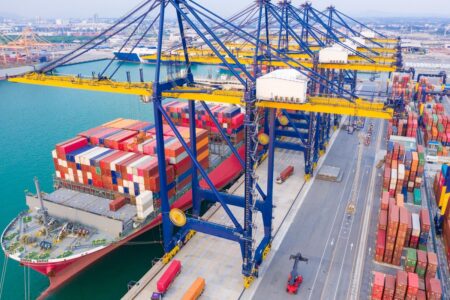
For Dangote Group, port infrastructure was paramount. A refinery of 700,000 barrels a day magnitude requires the capacity to handle Very Large Crude Carriers (VLCCs) efficiently. Lamu, and to a lesser extent Mombasa, offered superior deep-water berths and less congestion compared to Tanga’s comparatively shallower facilities.
As one Dangote executive stated, “Kenya was the choice from the beginning,” citing deeper port depth and superior logistics as decisive factors. At the moment, Mombasa handles over 45 million tonnes of cargo annually, significantly more than its Tanzanian counterpart.
Market fundamentals informing set up of mega refinery
Kenya is the crown jewel of East Africa’s economy. The country of 55 million people boasts higher per-capita fuel consumption, providing a larger and more reliable domestic market for the Dangote Group’s refinery’s initial output. With the energy market upset triggered by the Middle East energy crisis, industries across Kenya are reeling from high fuel prices, and there have been calls for the government to revive local oil refinery to help cut energy costs.
Furthermore, President William Ruto’s government commitment played a crucial role. Kenya’s government has moved swiftly, allocating KES 21.5 billion (approximately $165 million) in seed capital and establishing a high-level committee chaired by Deputy President Prof. Kithure Kindiki to coordinate the project. This level of institutional de-risking was absent in Tanzania’s pitch.
“I have asked the Deputy President, Kithure Kindiki, to chair the government committee that is going to work with private investors and employers for what will be one of the largest investments in our country, the investment in East African oil refinery,” Ruto said on Wednesday, adding: “We have already set up a date for the groundbtreaking, for your information.”
Finally, strategic positioning favoured Lamu. This historic island location is the anchor of the LAPSSET corridor, a vast transport infrastructure project designed to open up trade routes to South Sudan and Ethiopia, two neighbouring destinations that offer massive, land-locked markets hungry for petroleum products.
Read also: Afreximbank leads $4 billion Dangote Refinery refinance plan
Tanzania’s investment climate challenges
From the perspective of Dar es Salaam, the decision confirms a worrying structural pattern. A comprehensive research note from the Tanzania Investment and Consultant Group (TICGL) deconstructs the loss not as a one-off political misunderstanding, but as a symptom of deeper systemic issues that have been documented for years.
The TICGL analysis highlights a key issue, dubbed the FDI Registration-to-Disbursement Gap. While Tanzania’s registered Foreign Direct Investment (FDI) pipeline grew to over $10 billion by 2025, the actual disbursement rate had plummeted to a record low of just 15 percent according to figures in TICGL report. The report identifies the primary drivers of this gap:
- Land and Permitting Bottlenecks: Land acquisition and multi-agency approvals, averaging 18-24 months, are the single largest deterrent, accounting for an estimated 28 per cent of the disbursement shortfall.
- Regulatory Complexity: Securing permits across an average of seven different agencies creates significant delays and uncertainty, compared to Rwanda’s streamlined 28-day process.
- Fiscal and Infrastructure Constraints: A narrow tax base, a manufacturing sector stuck near 8 per cent of GDP, and installed power capacity far below industrialisation targets make a complex business environment.
Read also: Dangote to set up mega oil refinery in EAC, Tanzania
Tanzania grand bargain on Aliko Dangote investment blueprint
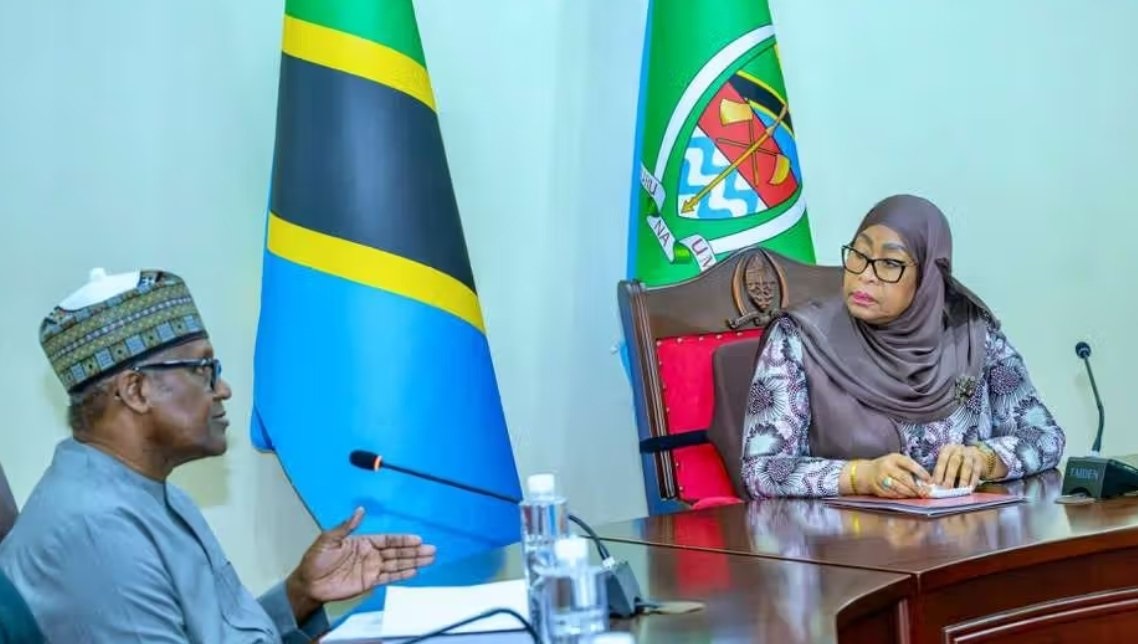
The story does not end in complete loss for Tanzania. Aliko Dangote met with President Samia Suluhu Hassan at State House in Dar es Salaam on 29 June, just days before the final confirmation of Lamu. The meeting yielded a ‘consolation package‘ that is itself a multi-billion-dollar economic transformation play.
Instead of a single refinery, Tanzania is now pursuing a parallel pipeline of Dangote-led investments:
- A 2,000 MW coal-fired power plant, a transformative addition to its current ~4,522 MW installed capacity.
- A new urea fertiliser complex to slash import dependency.
- Port development works and a 40-km access road.
- An 812-km Mtwara–Mbamba Bay transport corridor.
- And, significantly, an open invitation for the Tanzanian government to take an equity stake in the Kenyan refinery itself.
President Samia has directed her Minister of Planning and Investment to coordinate technical negotiations for the new investments. However, as the TICGL note stresses, the true test will be whether this new pipeline can navigate the permitting and land-acquisition barriers that have historically hindered such projects.