



- Maersk to increase shipping costs for China to EAC ports amid global turmoil.
- Increased shipping charges will spark inflation across the region.
- Development projects may stall as contractors re-evaluate project costs.
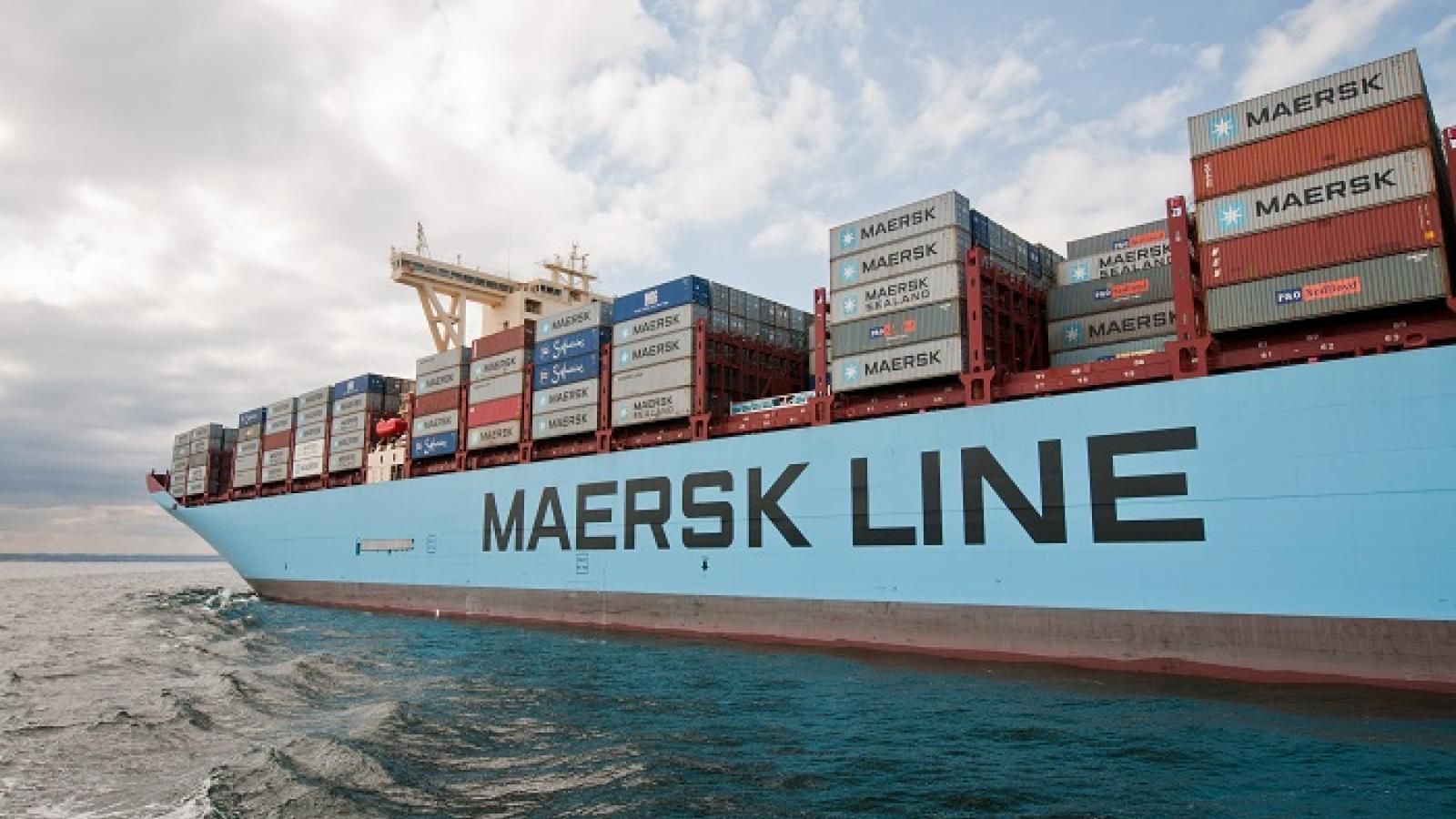
Global shipping titan Maersk has announced a significant increase in container costs for cargo moving from China and Hong Kong to East African ports, rising wide spread trader panic across the region. Short of giving a reason why, the carrier has announced that as of June 15, cargo bound for Dar es Salaam will face higher charges. Surcharge for a 20-foot container has been increased from $750 to $1,000.
Likewise, charges for a 40-foot container, the charges have increased from $1,050 to $1,400 the Denmark owned shipping giant A.P. Moller-Maersk has announced. The same goes for larger containers, the surcharge for a 40-foot container heading to Kenya which will now be charged $2,000 up from$1,100, while 45-foot high-cube dry containers will also cost $2,000 surcharge.
These rates apply for the Peak Season Surcharge (PSS) for routes connecting China and Hong Kong to East Africa, Maersk has announced. Maersk’s official advisory says the new rates target non-spot container bookings bound for critical maritime gateways, which includes East Africa’s two largest ports, Kenya’s Port of Mombasa and Tanzania’s Port of Dar es Salaam.
Maersk says the surcharge applies to non-spot bookings and pre-arranged shipping contracts. The revised rates will remain subject to local port charges, contingency fees and other applicable surcharges. Following the announcement, concerns amass that other carriers may follow suit in the coming months.
Also Read: Tanzania and Russia agree on $2 billion worth of investments at SPIEF
Maersk shipping costs trigger inflation. How will East Africa react?
Pending official government reaction, analysts say the announced rise of container shipping prices is set to trigger inflation across East and Sub Sahara Africa. “Because China is East Africa’s dominant trading partner, spikes in ocean freight rates heavily dictate local market realities,” laments Nathan Baker, a logistics expert.
In his assessment of the increased shipping prices, Baker warns that since local merchants lack the financial padding to absorb these sudden multi-thousand-dollar shocks and will undoubtedly transfer these charges to the final consumer.
As pointed out, China supplies the largest amount of consumer merchandise, household items, electronics, and clothing entering the EAC regional markets it follows that the spike in shipping costs will be forwarded to end user prices, triggering inflation across the region.
Consequently, these expenses will likely be passed directly down the supply chain, triggering a sharp rise in shelf prices for everyday consumers. Reached for comments, Kenyan economist James Mwangi underlines the fact that shipping costs are a critical component of import expenses; ” so higher freight rates have a direct impact on prices across multiple sectors,” he said.
Notably, Kenya imported goods worth $4.3 billion from China in 2025, including machinery, telecoms equipment, electronics, vehicles and construction materials while Tanzania’s trade with China reached approximately $11.28 billion over the same period.
The economist says, businesses in both countries are now assessing procurement plans and renegotiating supply arrangements in an attempt to reduce logistics expenses ahead of the June 15 date. Granted, while some products qualify for tax exemptions and reduced duties under various government incentive programmes, analysts warn that the higher freight charges will offset these benefits.
“The impact is increased prices that are to be shouldered by consumers,” Baker writes.
However, analysts differ as to how soon these increased shipping charges will translate into increased consumer good prices but all agree that while the impact may not be immediate, but “sustained increases in shipping costs are typically reflected in the prices of imported goods over time.”
Maersk triggered inflation to delay EAC development projects
The increase in container shipping prices will not affect consumer prices alone, East Africa stands to suffer beyond shop prices, government infrastructure projects will also be affected. “Squeezed by exploding container freight prices, project contractors are warning of inevitable development delays or widening deficits that will place an unexpected strain on national budgets,” Baker laments.
Already, regional road networks and affordable housing developments are been conducted on extremely tight capital allocations, the increase in shipping prices will further exasperate the situation. On its website, Maersk has also announced that it is revising the Drop-Off Charge (Imports) applicable to CFS shipments under Dar es Salaam, Tanzania, for cargo destined to Dar es Salaam from all origins worldwide, effective 05 July 2026 until further notice.
The shipper advices affected traders to; “For your reference, you can always view the latest levels and rate structures directly on our Tariff Lookup page.” The carrier goes on to note that the rates provided in the link are also subject to other applicable surcharges, including local charges and contingency charges.
“These rates are unaffected by, and do not affect, any tariff notified, published or filed in accordance with local regulatory requirements,” the carrier details.
It also warns that; “For trades subject to the US Shipping Act or the China Maritime Regulations, quotations or surcharges that vary from the Maersk tariff shall not be binding on Maersk unless included in a service contract or service contract amendment that has been filed with the Federal Maritime Commission (FMC) or the Shanghai Shipping Exchange, as applicable.”
Officials from the Tanzania Ports Authority (TPA) were not immediately available for comment and we await official government statement following the Maersk shipping charges increase. What remains certain is that, the EAC was barely free of the inflation triggered by the US-Israel war on Iran and related spike in fuel prices, now the Maersk shipping price increase is bound to further worsen inflation in the region.
Read also: Dar es Salaam Port challenges Mombasa’s dominance: Who will win the trade race?