


Across Africa’s fisheries value chains, a quiet but powerful economic engine pulses beneath the surface, women who process, trade, and preserve the catch that feeds millions.
Yet despite their indispensable role, these women remain systematically excluded from the financial systems that could transform their enterprises from survival livelihoods into thriving businesses.
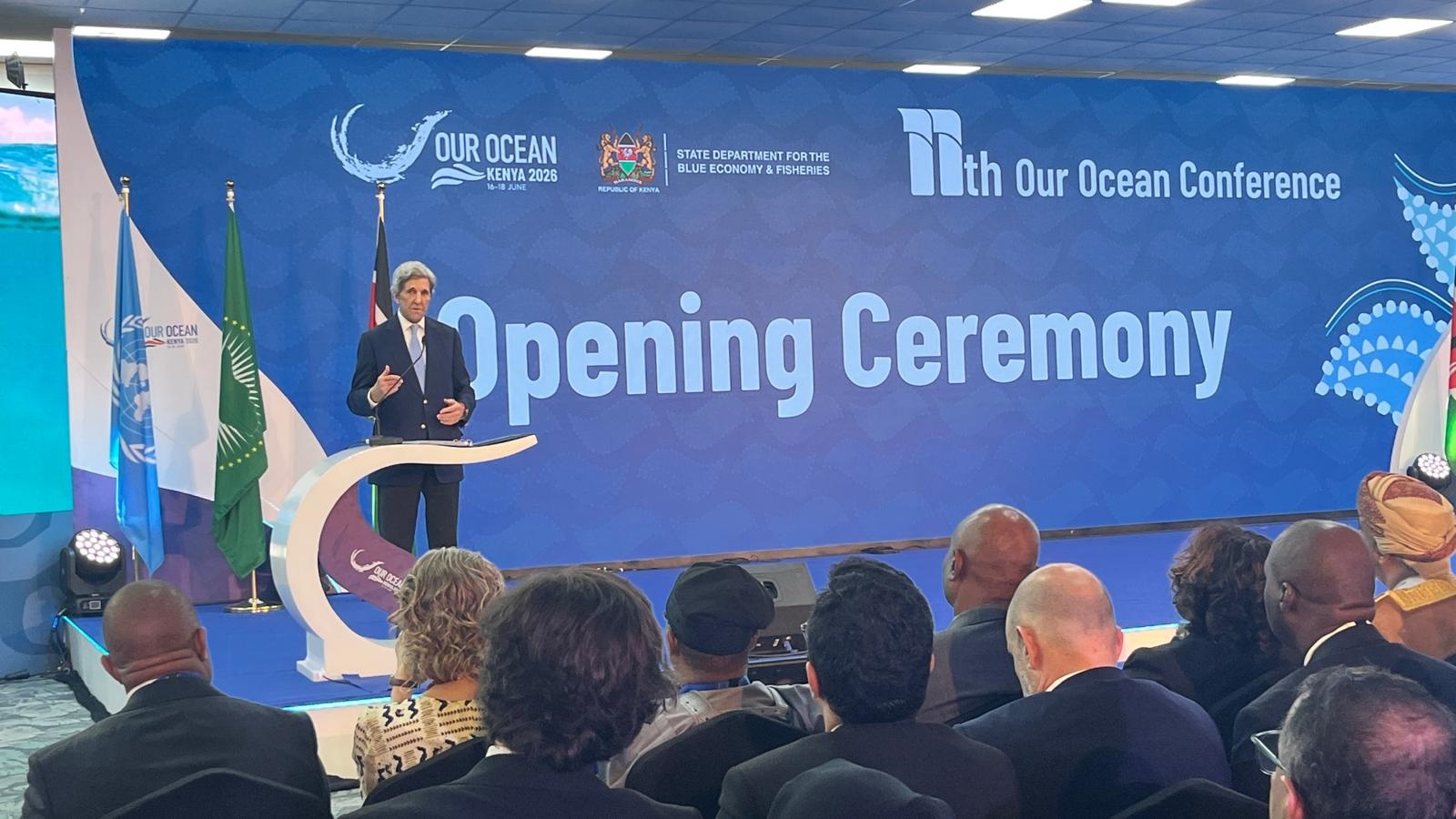
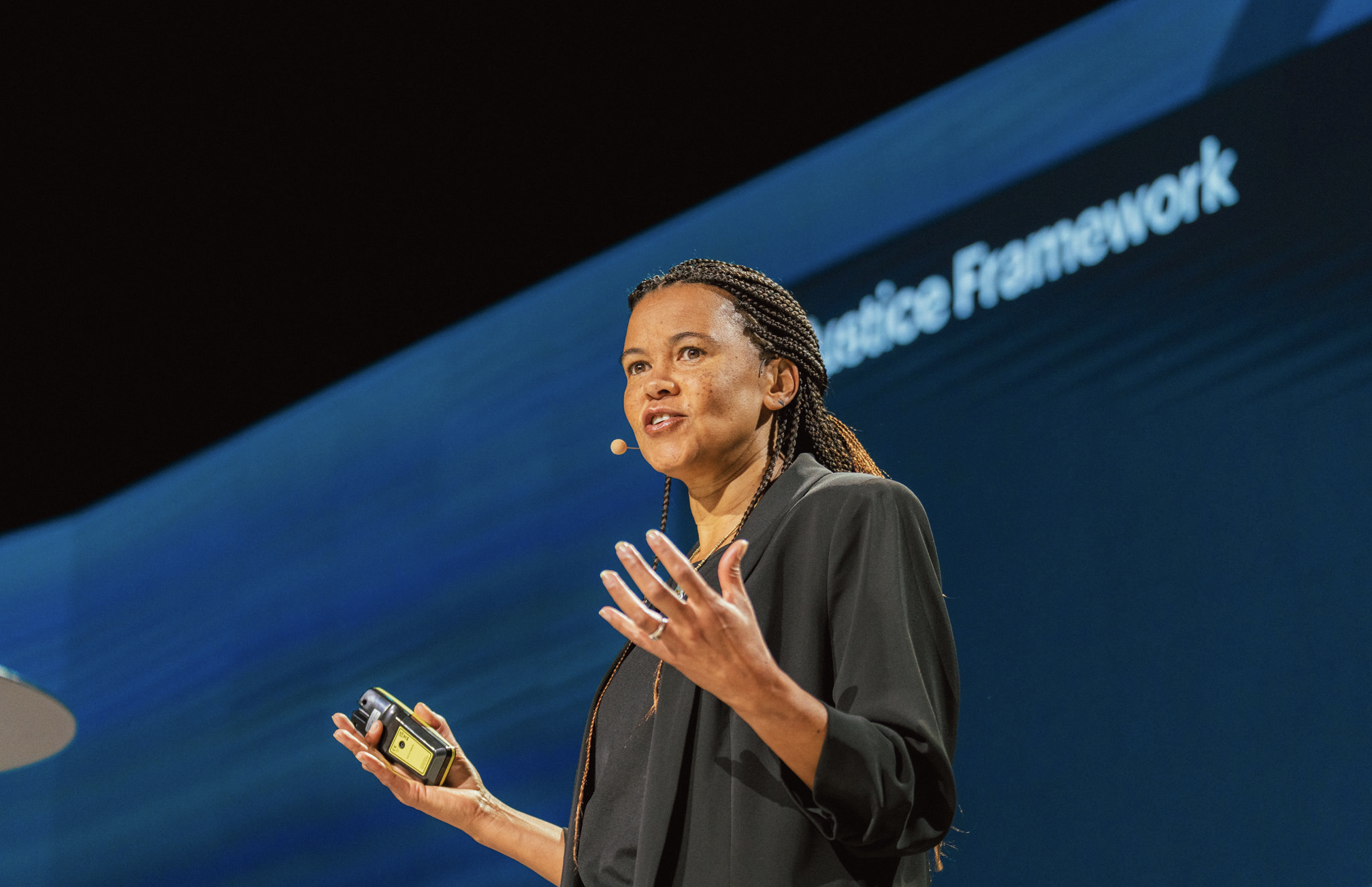
In this segment of our interview, Dr. Christina Chemtai Hicks turns her attention to the gendered realities of fisheries finance, Professor at Lancaster University, Pew Marine Fellow, Oceana Board member and speaker at the ongoing One Ocean Conference in Mombasa, exposing a stark paradox: the very women who sustain post-harvest value chains are often deemed “uncreditworthy” by conventional lenders, locked out by collateral requirements that fail to recognise their labour, knowledge, or community standing.
The challenge, she argues, is not a lack of innovative financial tools, but a failure to ensure women can actually access them.
Additionally, Dr. Hicks insists that climate resilience cannot be achieved without women’s meaningful participation in decision-making, and that adaptation support must extend beyond technical fixes to address the structural barriers that leave women vulnerable in the first place. This is not merely a matter of inclusion, but of survival for coastal communities navigating an increasingly volatile future.
As we explore women’s entrepreneurship and economic empowerment in the Q&A that follows, Dr. Hicks offers a vision that is at once practical and transformative: one where financial inclusion, climate adaptation, and sustainability are woven together through the radical act of listening to—and investing in—the women who feed Africa’s coastal communities.
Q: Let’s talk finance. A male fisher can often access a loan for an outboard motor. But a female fish processor may have no collateral. What innovative financial instruments could unlock women’s entrepreneurship along the value chain?
A: Financing for women in the value chain is essential for reducing post-harvest loss and maintaining access to nutritious fish. Options for alternative financing exist – the challenge is making sure women have access to them. Two examples are microfinance institutions and community savings groups. Microfinance services include small value loans (e.g. USD 50), savings accounts, and insurance services.
Savings groups function on an even smaller and more informal scale, providing community-based financial services based on low-cost informal models. Allies and backers are needed to make more attractive financing terms available. In Senegal, USAID was underwriting loans for small scale fishers — groups can facilitate something similar for women fish processors.
Q: Climate change is altering fish migration, populations and harvesting. How does this disproportionately affect women who rely on predictable post-harvest work, and what adaptation support do they actually need?
A: In the supply chain, providing finance to women to improve preservation and storage can help buffer between bumper crops and lean seasons, whether that’s in fisheries or other sectors.
Additionally, women need to have a seat at the table in fisheries management and ocean policy decisions since these decisions affect them just as much as those going to sea.
Read also: Why fish and fisheries may be Africa’s most overlooked food security solution
Q: There is sometimes a tension between women’s immediate economic needs (maximising daily catch volume) and long-term sustainability (avoiding overfishing). How do you navigate that trade-off in an empowering way?
A: This is no different to any other small-scale ocean actor; the same principles apply: we need to build relationships, based on trust and respect for each other’s knowledge, giving them a seat at the table and having them develop solutions that work for them.
And representation needs to be meaningful, to allow for an active role in shaping the broader structures through which we make decisions and understand and manage our resources.
What is the point of a seat at the table if no one truly understands what you are saying? If the questions being asked are not the ones you want to answer? If no matter what you say, the changes that need to be made lie far beyond that table?
Finally, we need to remember that often, conservation policy starts with this premise, and the assumption that poverty drives biodiversity loss. But our research has shown us that there are drivers that originate beyond where biodiversity loss occurs and conservation efforts are focused that this framing fails to address.
An example when it comes to fisheries, is in West Africa, where global markets and foreign fleets, both of which are highly complex and opaque, drive much of the fishing pressure. Addressing these pressures will, in turn, make managing local fisheries easier, and the full benefits of effective management can be felt.
So, while local conservation efforts are needed, and in many cases, it is important to address poverty alleviation, without addressing the broader drivers of biodiversity decline, we will be fighting a losing battle whilst marginalising those most dependent on biodiversity and vulnerable to losses.
Read also: What healthy, just and resilient food systems should look like in Africa