

Trending
- Weather experts warn of the most powerful El Niño in decades as extreme weather hits Africa
- Africa Blockchain Festival ignites a new dawn for African innovation
- Africa’s gaming market set to quadruple to $4 billion, defying global slowdown
- Tanzania throws its bond market wide open to the global investors
- VALR sets sights on East Africa as blockchain moves deeper into Africa’s financial system
- The cost of the data gap: Why Kenya’s lenders can’t afford to miss the full picture
- Tanzania takes EAC labour migration helm as regional rules face overhaul
- 2026 is turning out as a defining year in geopolitics, but for whom?


Author: Padili Mikomangwa

Padili Mikomangwa
Padili Mikomangwa is an environmentalist based in Tanzania. . He is passionate about helping communities be aware of critical issues cutting across, environmental economics and natural resources management. He holds a bachelors degree in Geography and Environmental Studies from University of Dar es Salaam, Tanzania.

As African nations’ economies grow, so do individual expenses in basic and often, extra necessities, such as food, clothing, rent, data, and entertainment to say the least. In this case, there are a lot of benefits attached when people tweak their expenses strategically and hone the art of saving, especially on their consumables spending habits when living in big cities, such as Tanzania’s commercial capital, Dar es Salaam (Africa’s fifth-largest city). Tanzania is one of the fastest-growing economies in sub-Saharan Africa, and Dar es Salaam (with more than six million people) is one of the 30 cities in the world…
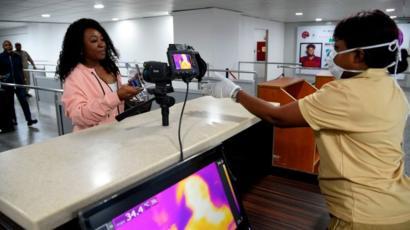
When Nigeria announced its first positive coronavirus infection African countries are now on guard as this has been a wake-up call for nations to strength their surveillance as well as disease containment. The first case of the coronavirus was confirmed on February 25, via an Italian carrier who works in Nigeria and flew into the nation’s commercial city, Lagos. According to information from BBC, Nigerian authorities commented that the “patient zero” is who is being treated in a hospital within the city, is stable and with no serious symptoms. On the larger scale, Egypt and Algeria have also confirmed cases…
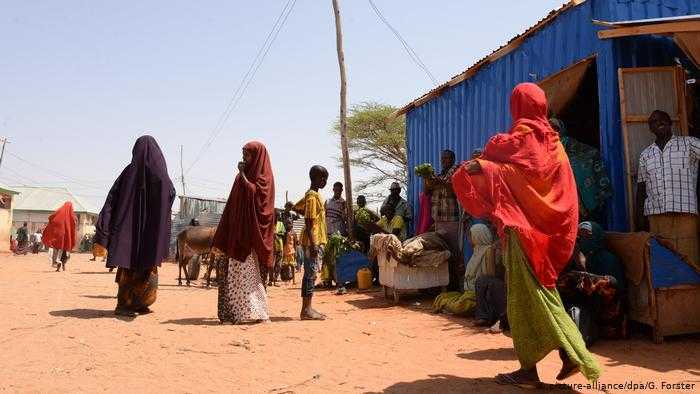
Africa’s close development partner, World Bank—on Thursday took a serious initiative to restore its relations with Somalia, after being dull for almost 30 years According to the statement from World Bank Group, the bank’s Board of Executive Directors moved toward normalizing its relations with the Federal Government of Somalia (FGS). World Bank anticipates that the restoration will open up opportunities for Somalia to access concessional financing from the World Bank’s International Development Association (IDA) and to work closely with all arms of the World Bank Group to attract investment that will support the country’s stability and development. The restoration could…
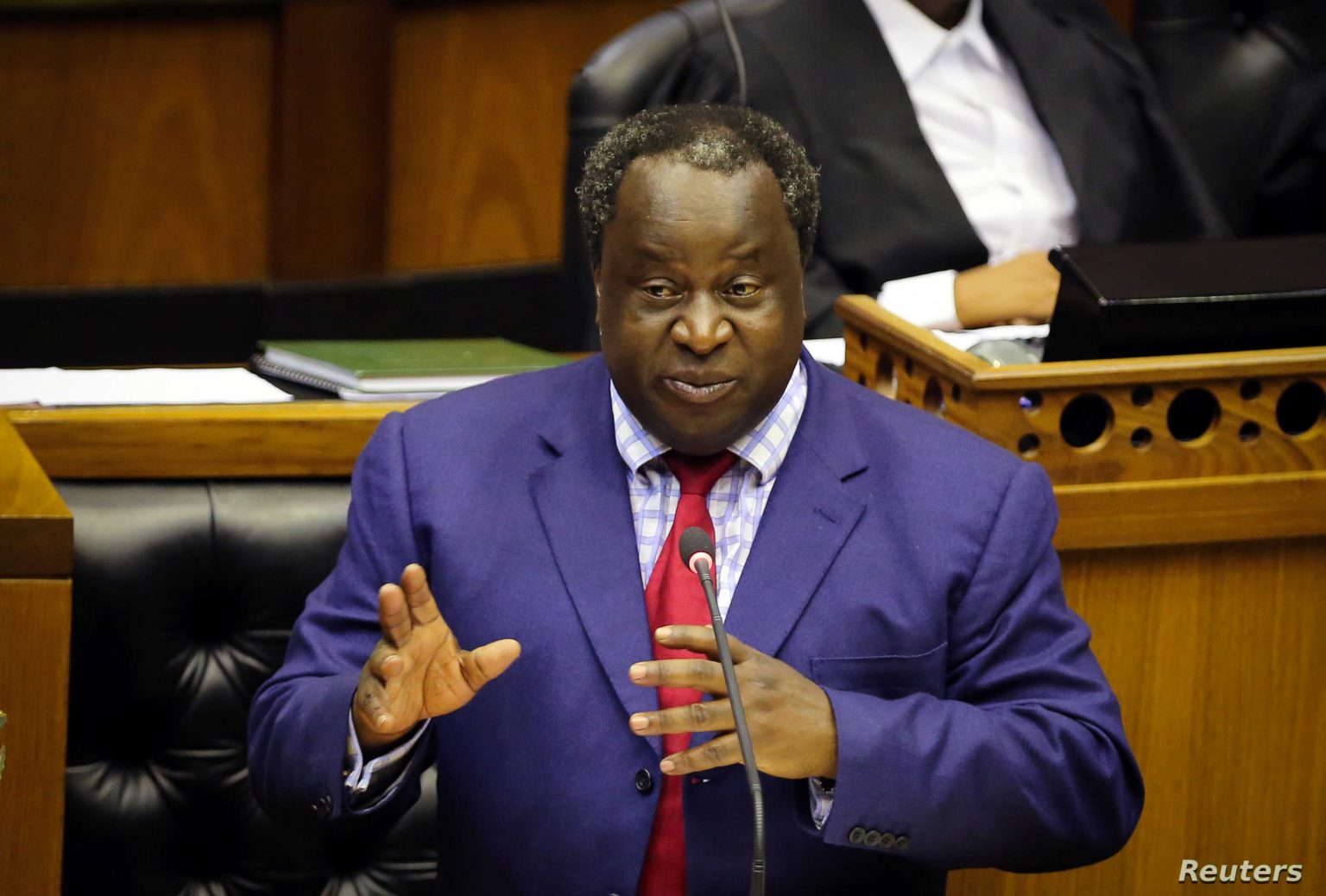
South Africa’s Finance Minister Tito Mboweni budget speech brought strength to the nation’s currency, rand—after proposing cuts to the controversial public sector wage bill, on February 26. According to information from Reuters, financial markets seemed to appreciate the move, which posed a threat to South Africa’s public finances. At 0650 GMT, the South African rand traded at 15.2550 versus the dollar, which is 0.4 per cent stronger than its previous close. According to a South African financial publication, Moneyweb, Minister Mboweni expects the public sector wage bill to reduce by $2.4 billion in 2020/21, $3.5 billion in 2021/22, and $4.4…
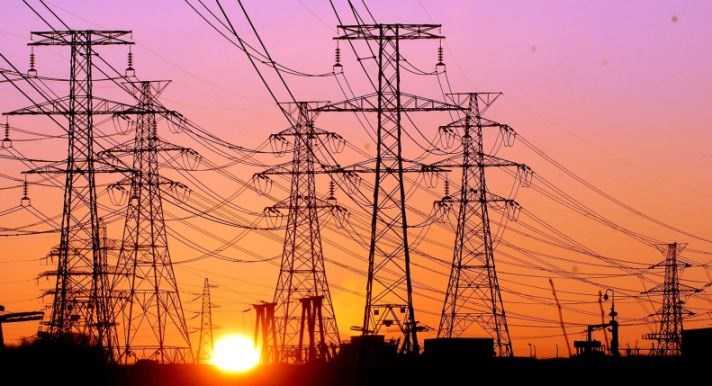
Zimbabwe, an economically challenged southern Africa nation will soon face another economical hard-pinch as the sate power transmission company said on Thursday it intends to increase its electricity tariff by 19.02 per cent, kicking in on March 1. According to information from Reuters, the utility said that raising inflation and weakening exchange rate were factors being the tariff hike. Zimbabwe Electricity Supply Authority (ZESA), which is responsible for the generation, transmission and distribution of electricity in Zimbabwe, is also facing challenges meeting power demands in the nation facing worst economic crisis in a decade. According to the World Bank data,…

World Bank’s (WB) research on development economics which is focused on identifying successful development polices, has captured various significant insights in the world of development economics, and payment of health and education providers was in it, thus—there are crucial things to rethink to enhance the delivery of quality services. According to the bank’s research, service providers—schoolteachers and health workers, in particular, are influenced by the payment incentives which dictate high-quality services. But how much they are paid also matters. Taking the youngest continent in the globe into the context, Africa, of which its average real ages increased by 20 per…
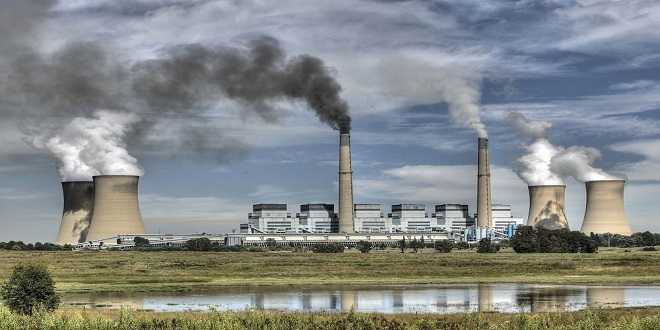
Eskom, South Africa’s state-owned power utility, and currently facing enormous workload in generating reliable power for the most diverse economy in Africa has been served with a compliance notice by the nation’s environment ministry, high levels of air pollution being the cause. According to information from Bloomberg, Eskom’s biggest operational power plants are struggling to remain active as the pollution levels are not yet repaired accordingly. The heavily relied on power utility has failed to fully repair pollution-abatement equipment at its 4 116-megawatt Kendal power plant that began malfunctioning in early 2018 and was damaged further in a strike later…
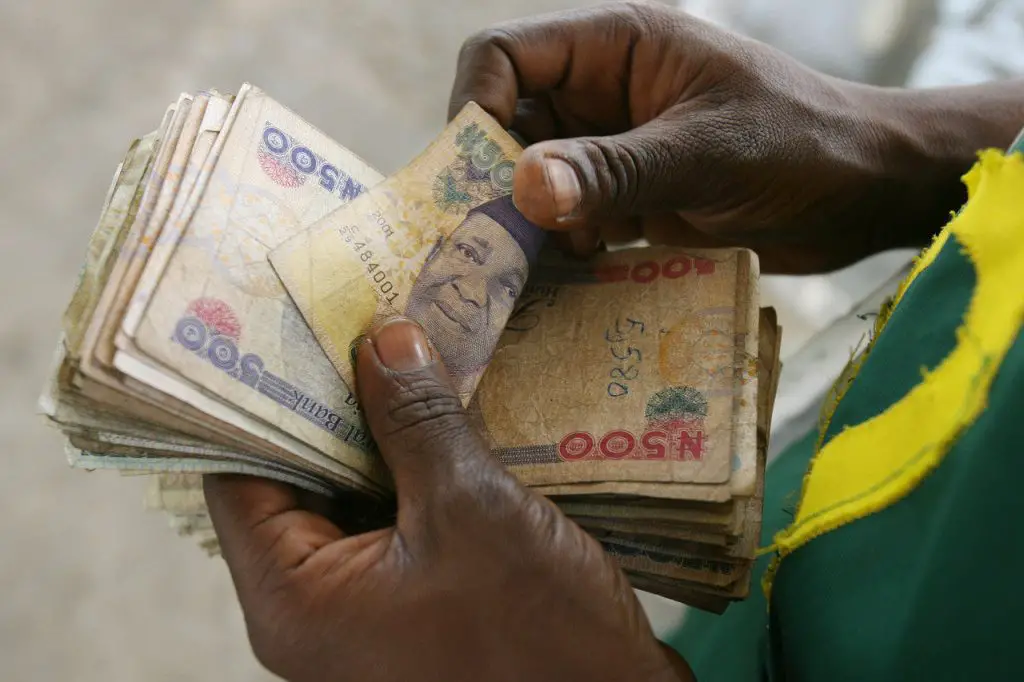
Nigeria, one of Africa’s largest economy has recorded the highest quarterly growth (in the fourth quarter—Q4) since the 2016 recession. The economic growth rose to an annual rate of 2.55 per cent in the three months to the end of December, Nigeria’s National Bureau of Statistics (NBS) revealed on Monday. The NBS noted that, compared to the fourth quarter of 2018 which recorded a growth rate of 2.38 per cent, this represents an increase of 0.17 per cent points and an increase of 0.27 per cent points when compared with the third quarter of 2019. READ:Nigerian annual inflation soars to…
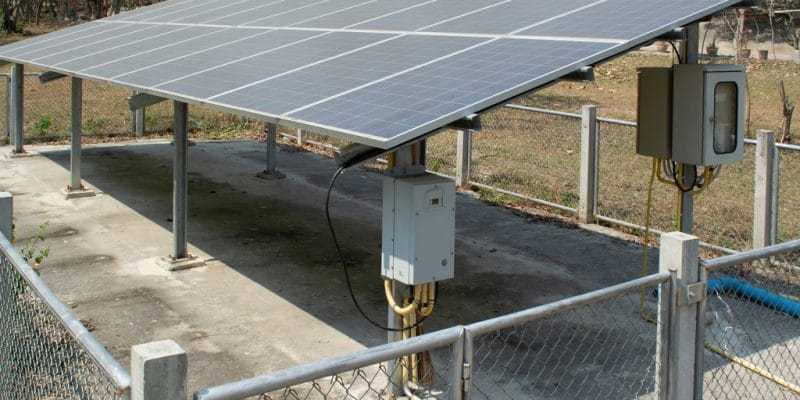
The 2020 Off-Grid Solar Market Trends Report that has been released this month reveals how Africa could reap high benefits in the near future. The report is basically an in-depth analysis of current market dynamics, projections for the coming five years, and also a blueprint to helps various actors compete in a robust evolving industry ecosystem. The report, which is the fifth in a series, published by the World Bank Group and the Global Off-Grid Lighting Association (GOGLA), drew in about 1,000 industry leaders, financiers and government representatives by showcasing key industry trends, advances in technology, finance, policy and social…