


Trending
- Ethiopian Airlines bets big on Boeing freighters in $5 billion cargo fleet expansion
- Silicon Valley’s Tim Draper backs Nairobi blockchain festival, sees Africa as next digital frontier
- Dangote breaks ground on $16bn Lamu refinery as East Africa seeks fuel independence
- Gulf and African states meet in Dar to rewrite rules of labour migration
- African governments drive new forest finance progress as global report warns funding globally must scale faster
- Fine Spinners eyes Kenya’s Agoa-backed apparel supply chain with $5m plant
- Why young Kenyan investors need to stop treating the stock market like a betting slip
- Tanzania tax reforms mandate VAT refunds to under 30 days


Browsing: Africa
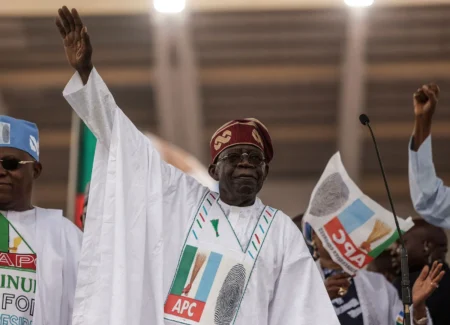
In his inaugural address on May 29, President Bola Tinubu stated his plans to revive Nigeria’s ailing economy. After being sworn in as Nigeria’s 16th President, Tinubu expressed his immediate objective to achieve higher GDP of not less than 6 per cent annually and a significant reduction in the unemployment rate.

A total of six banks from the Middle East and Asia have raised a combined $625 million in syndicated loan to finance Africa’s infrastructure under the African Finance Corporation (AFC).
Through the AFC, Gulf Bank, National Bank of Ras Al-Khaimah, China CITIC Bank Corporation, Qatar National Bank, Doha Bank and Industrial Bank of Korea Limited joined the syndicate as first-time lenders throwing their weight behind the leading infrastructure solutions financier in Africa.
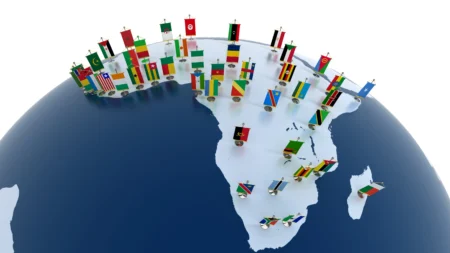
The implications of fragmentation and polarization on Africa’s economic growth and whether these trends will continue are unknown. What is certain is that multilateral organizations will need to continue encouraging international dialogue to promote economic integration and collaboration. As a result, one problem that emerges is whether African nations would adopt a unified stance or take a non-aligned approach in the Sino-American dispute.

Deal Source Africa connects African businesses online with investors, transaction advisors and Impact Funds. Experienced transaction advisors will link with…

Governments can play a crucial role in enhancing agricultural productivity in Africa for economic growth. Individual nations can accomplish this by establishing policy environments to promote agricultural investment, including providing tax incentives and subsidies to producers. Governments can also prioritize agricultural development in their national budgets by allocating a more significant proportion of their resources to the sector.
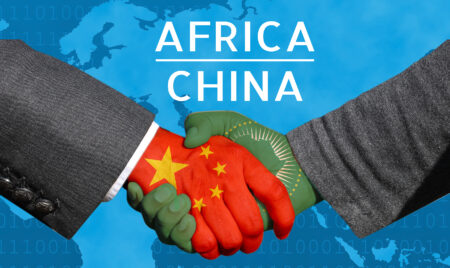
China’s reduced lending to Africa has raised concerns about the future of Africa’s economic development and its relationship with China. The reduction in lending is due to a combination of factors, including the slowdown in the Chinese economy, the growing debt burden of African countries, and China’s increased selectivity in its lending.
The reduced lending has several implications for Africa’s economic future. African countries must find alternative sources of financing, a shift towards domestic resource mobilization, a change in the balance of power between China-African relations, and a potential slowdown in infrastructure development. African countries must navigate these changes carefully to ensure sustainable economic growth in the coming years.
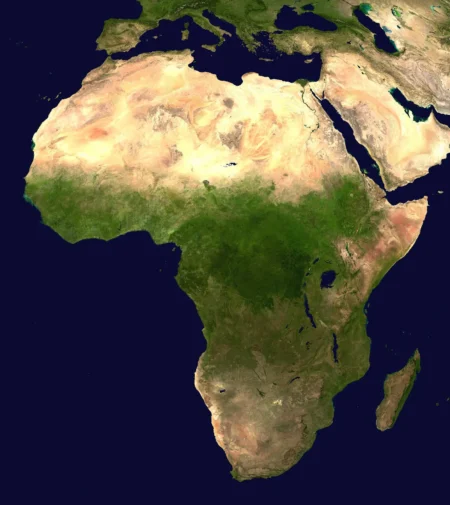
Given these large costs and the effect on Africa’s economic growth, it remains imperative to prevent the prevalence of conflicts. Several economic and structural factors, including low-income levels, poor growth outcomes, weak governance, state capacity, and inequality of opportunity—especially across ethnic, religious, and regional groups—increase the likelihood of conflict. Addressing these challenges would address political instability in Africa and prevent conflict.

The hub is a digital platform that will enable fintech associations across Africa to pool resources and knowledge, strengthen relationships…
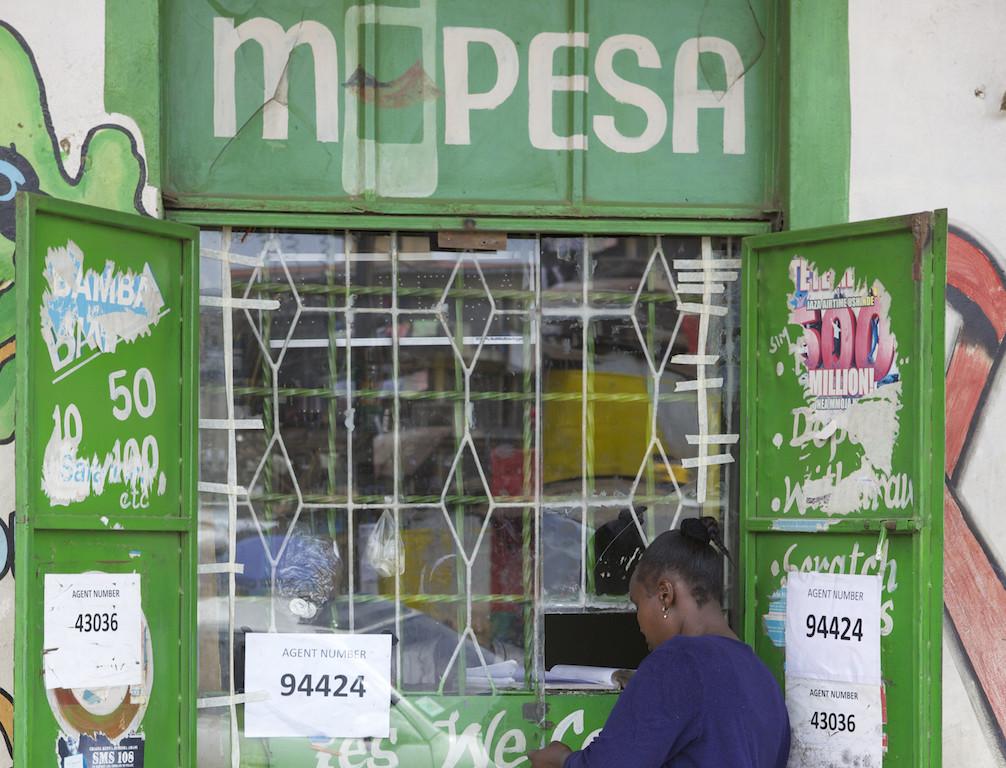
The GSMA’s State of the Industry Report on Mobile Money 2023 shows adoption rates are even more significant than expected.…
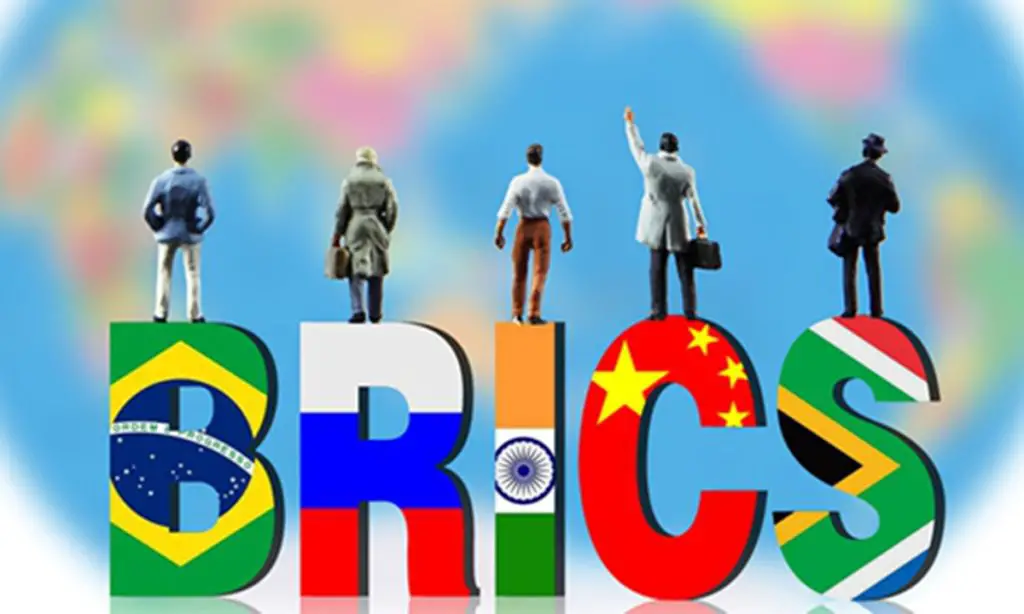
The global financial landscape has undergone a remarkable transformation in recent times. Remarkably, the issue of the de-dollarization of international trade is slowly but steadily gathering momentum. A rising trend toward de-dollarization is challenging the longstanding supremacy of the United States in the international financial system. As the dominant global reserve currency, the US dollar remains pivotal in international trade, investment, and financial transactions.