Trending
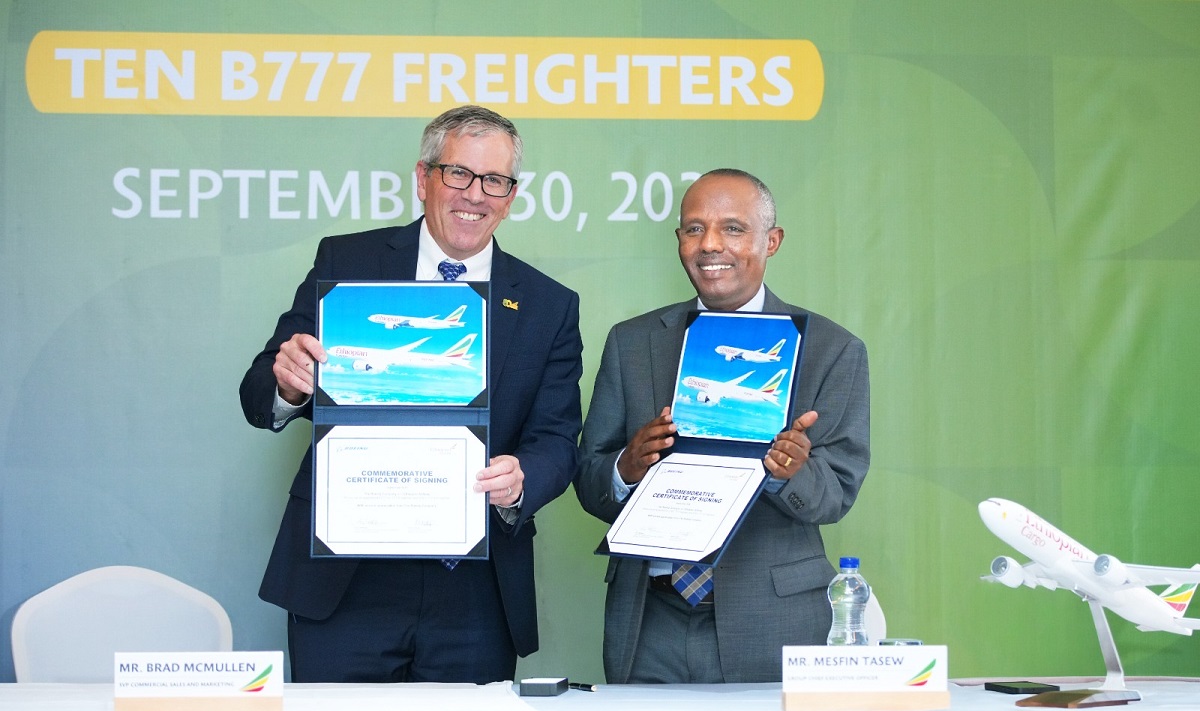
- Ethiopian Airlines bets big on Boeing freighters in $5 billion cargo fleet expansion
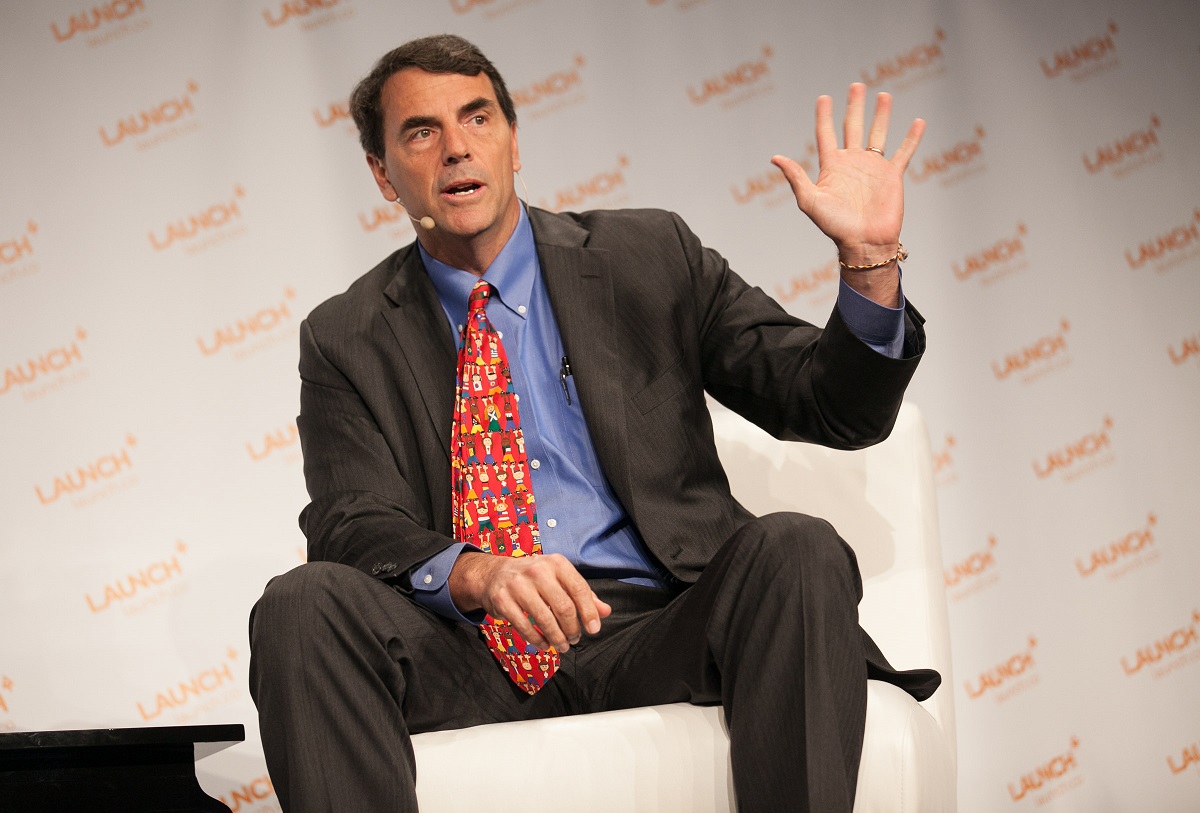
- Silicon Valley’s Tim Draper backs Nairobi blockchain festival, sees Africa as next digital frontier
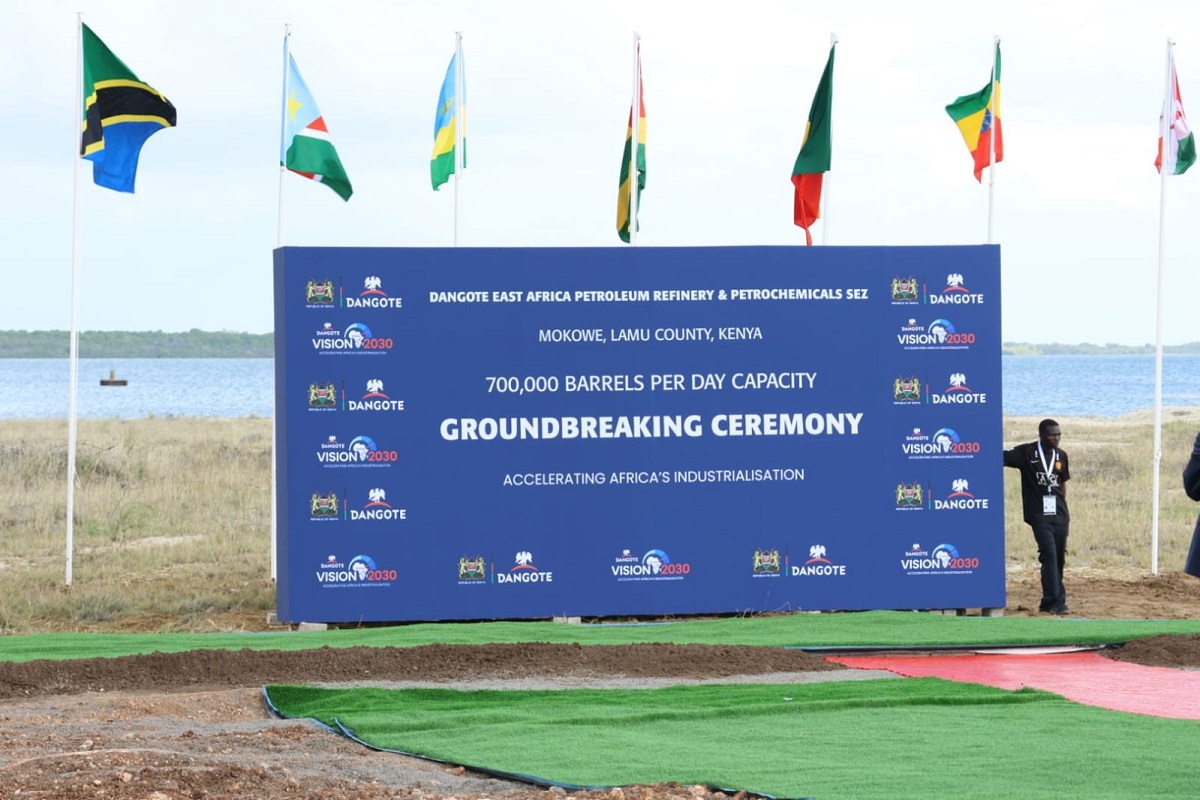
- Dangote breaks ground on $16bn Lamu refinery as East Africa seeks fuel independence
- Gulf and African states meet in Dar to rewrite rules of labour migration
- African governments drive new forest finance progress as global report warns funding globally must scale faster
- Fine Spinners eyes Kenya’s Agoa-backed apparel supply chain with $5m plant
- Why young Kenyan investors need to stop treating the stock market like a betting slip
- Tanzania tax reforms mandate VAT refunds to under 30 days


Browsing: Africa

Idris Elba and Sabrina Dhowre Elba were honoured with the 2023 Crystal Award at the World Economic Forum in Davos…

The African continent is home to some of the most beautiful and diverse countries in the world. From its vast…
Africa’s human development cannot proceed until the first and most basic need—food—is met. A report by AusAID titled Improving food…
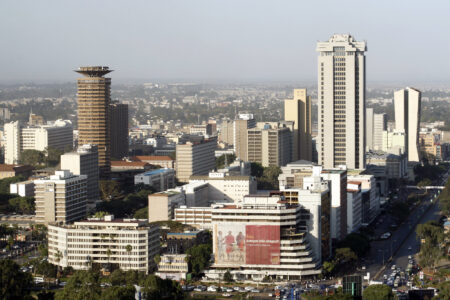
Economies the world over have made significant recoveries from the effects of the Covid-19 pandemic, Russia-Ukraine conflict and disruptive supply…
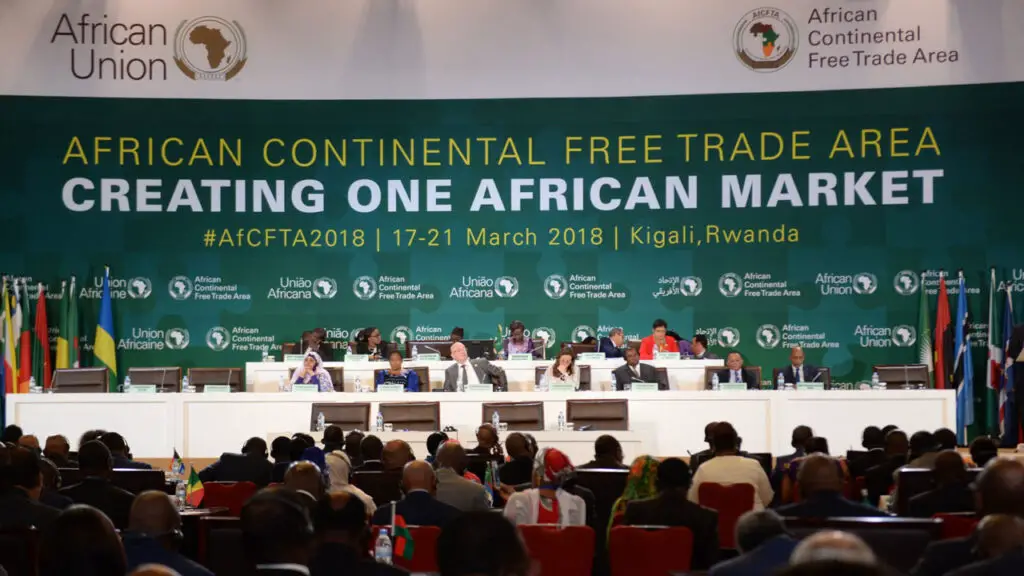
The agreement reaffirms the US commitment to elevating a strong private sector voice in AfCFTA implementation. Through exploring these challenges…
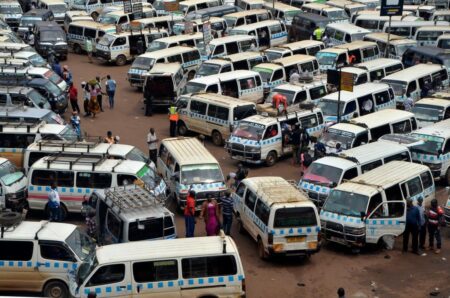
Uganda Bureau of Statistics has indicated that the country’s inflation has for the first time since 2012 hit double digits, rising to 10 per cent in September 2022 from 2.7 per cent in January 2022 and 4.9 per cent in April 2022.
It is said that inflation above an annual average of 5 per cent retards economic growth and derails economic development.
According to an article titled Uganda grapples with soaring inflation amid persistent global uncertainties, the rise in inflation has been brought about by issues such as tightening of global financial conditions, which triggered investors’ exit from the domestic debt market, thus stoking depreciation pressures on the Uganda Shilling; the Russia-Ukraine conflict, which disrupted global production and supply chains; extended drought in some regions of the country; and increased global commodity prices.
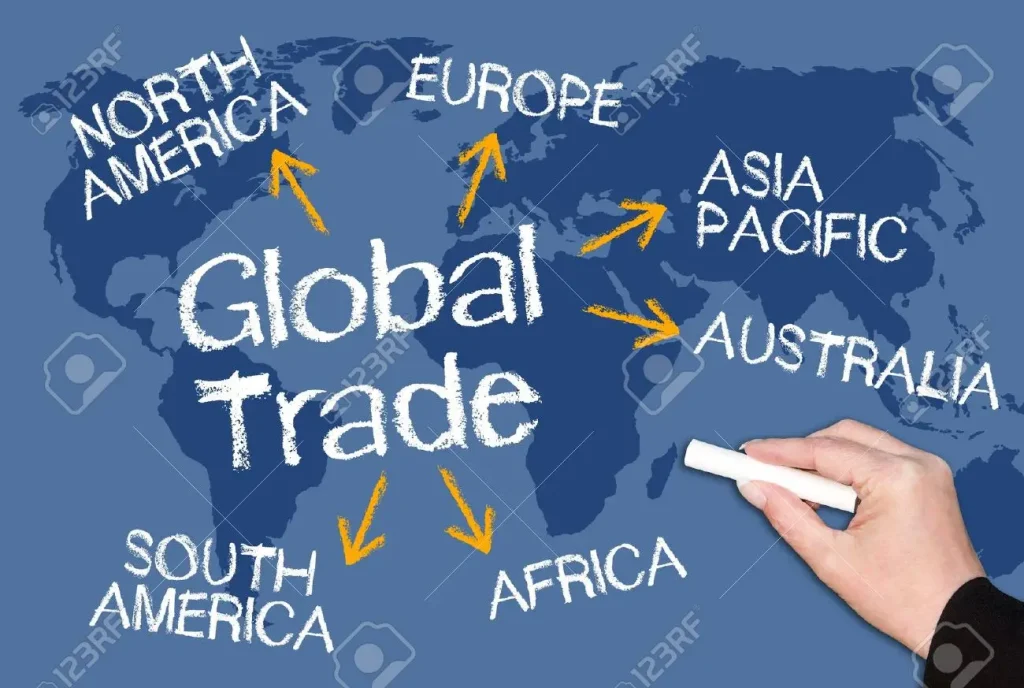
AfCFTA’s successful implementation can boost trade and promote Africa’s economic recovery and growth. The AfCFTA is the world’s most extensive free trade area in terms of size and number of nations, with a combined GDP of around $3.4 trillion.
Increased integration would improve incomes, generate employment, stimulate investment, and make establishing regional supply chains easier. In comparison to Africa’s external trade, intra-African trade remains tiny. In 2020, just 18 per cent of exports went to other African nations.
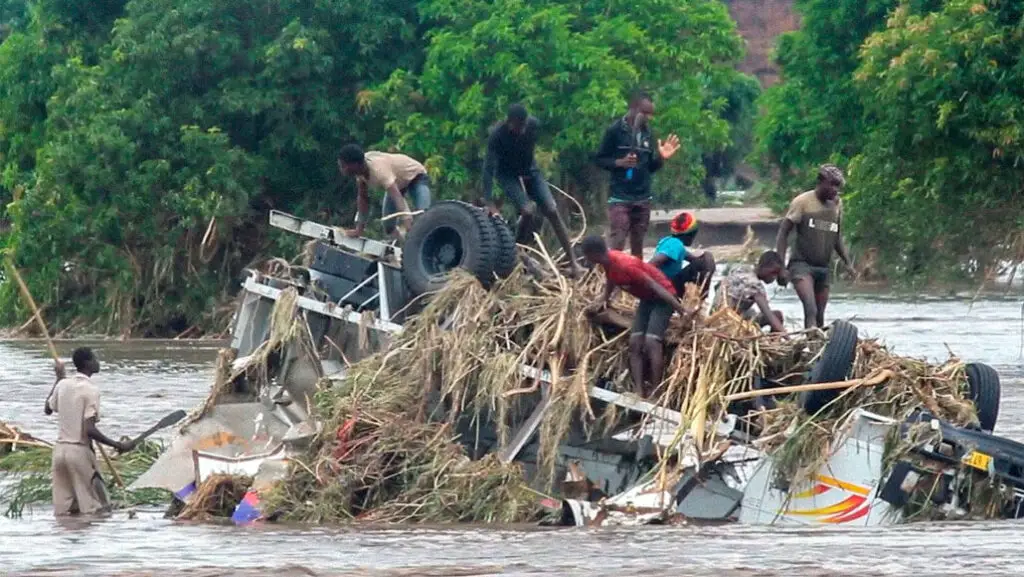
COP27 outcomes were far and few for Africa, yet the UN announced an Executive Action Plan for the Early Warning for All initiative, which calls for initial new targeted investments of US$3.1 billion between 2023 and 2027, which is equivalent to a cost of just 50 cents per person per year.
This warning system comes to address crucial issues of extreme weather conditions such as disaster risk knowledge, observations and forecasting, preparedness and response, and communication of early warnings.
A couple of the notable outcomes for Africa included the continent’s rainforest giant, the Democratic Republic of Congo (DRC) collaboration with Brazil and Indonesia, to launch a partnership to cooperate on forest preservation after a decade of on-off talks on a trilateral alliance.
In terms of the fiscus, South Africa expects to run a deficit of -4.1 per cent in 2023, however, the deficit is expected to narrow for the next 3 years closing 2026 at -3.6 per cent. This demonstrates significant fiscal consolidation.
Over the next 3 years the South African government expects to consolidate its public finances and reduce its deficit by inter alia increasing revenues and or managing or containing costs. According to Investec, “The current fiscal year (2022/23) has seen a substantial boost to nominal (actual) GDP due to high inflation, which has eased both the fiscal debt and deficit projections as a per cent of GDP, although does not boost real GDP, which is the measure of the country’s growth and has the distorting effect of inflation removed.”
Among countries in Africa, South Africa is getting its public financial act together. The country is paying down its debts, inflation has been showing a strong downward trajectory. What remains to be seen is whether this decreasing inflation rate will continue.

African countries looking to anchor their currencies on either gold, or a combination of gold, precious metals, and other minerals would need to start with legislation which would make it legal for the governments of those countries to redeem paper currency with either those minerals or a derivative of those minerals.
Zimbabwe in late August began an initiative where it sold actual gold coins to its citizens which had been minted by that country’s central bank. This move was initiated to halt the slide of the currency on the parallel and official markets. This county’s policy so far has been successful in slowing down the trend of inflation which had begun to run amok.
It would be remiss to attribute the slowdown inflation to the gold coins. The country dramatically tightened its monetary policy by increasing interest rates to over 200 per cent in May 2022 and temporarily banned commercial bank lending. One of the disadvantages of the gold standard is that governments struggled for decades to make the system work globally. The gold standard reached its watershed when Richard Nixon in 1971 took the United States dollar off the gold standard.