

Trending
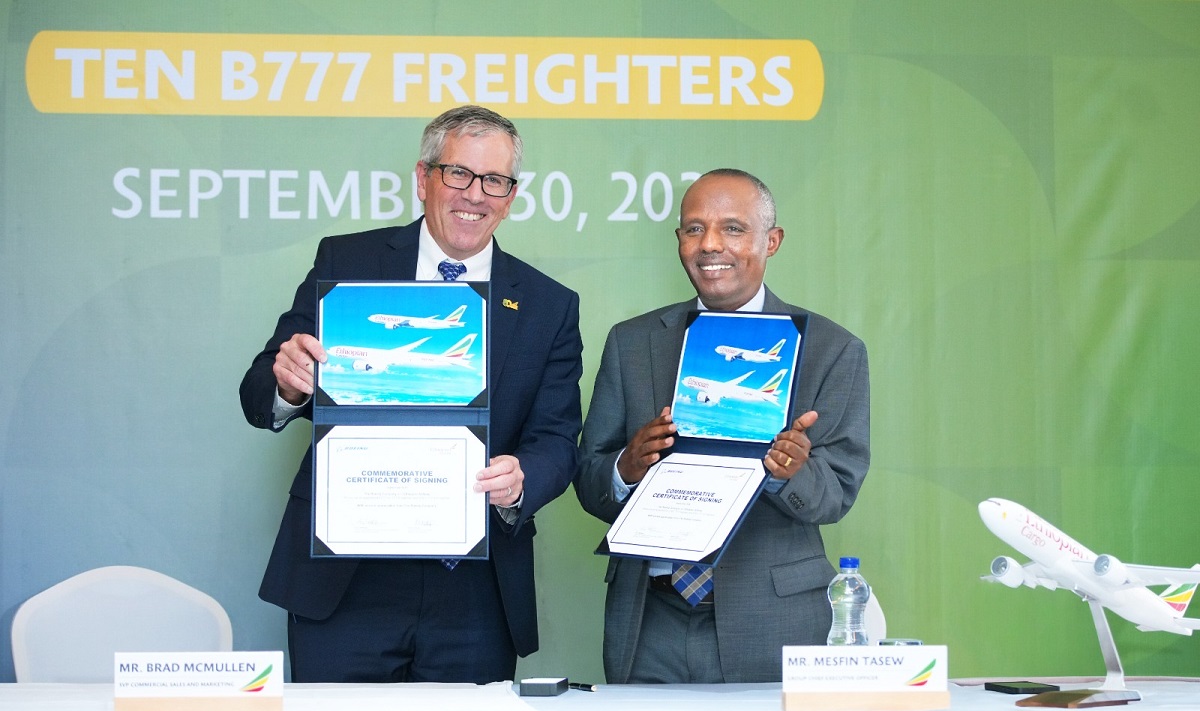
- Ethiopian Airlines bets big on Boeing freighters in $5 billion cargo fleet expansion
- Silicon Valley’s Tim Draper backs Nairobi blockchain festival, sees Africa as next digital frontier
- Dangote breaks ground on $16bn Lamu refinery as East Africa seeks fuel independence
- Gulf and African states meet in Dar to rewrite rules of labour migration
- African governments drive new forest finance progress as global report warns funding globally must scale faster
- Fine Spinners eyes Kenya’s Agoa-backed apparel supply chain with $5m plant
- Why young Kenyan investors need to stop treating the stock market like a betting slip
- Tanzania tax reforms mandate VAT refunds to under 30 days


Browsing: Africa
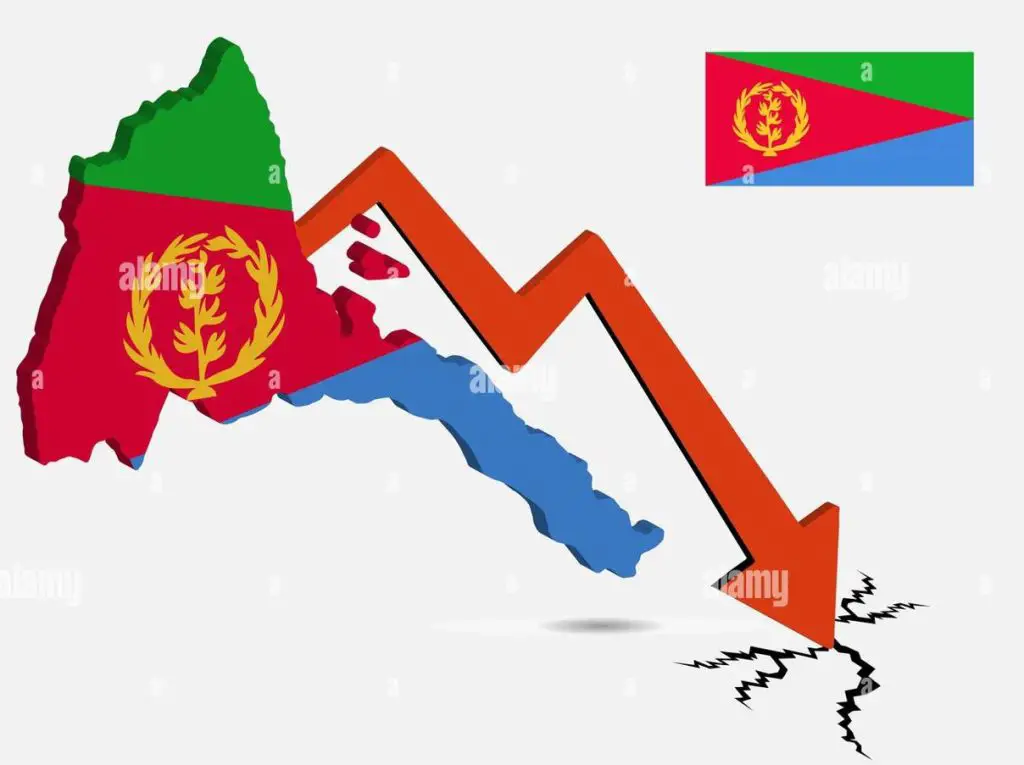
Eritrea’s debt stands at 175 per cent of its GDP. This is very high for the agriculture-based economy. Eritrea is…

In the months of May to July, Ololung’a market in Narok County has always been a busy spot with various…
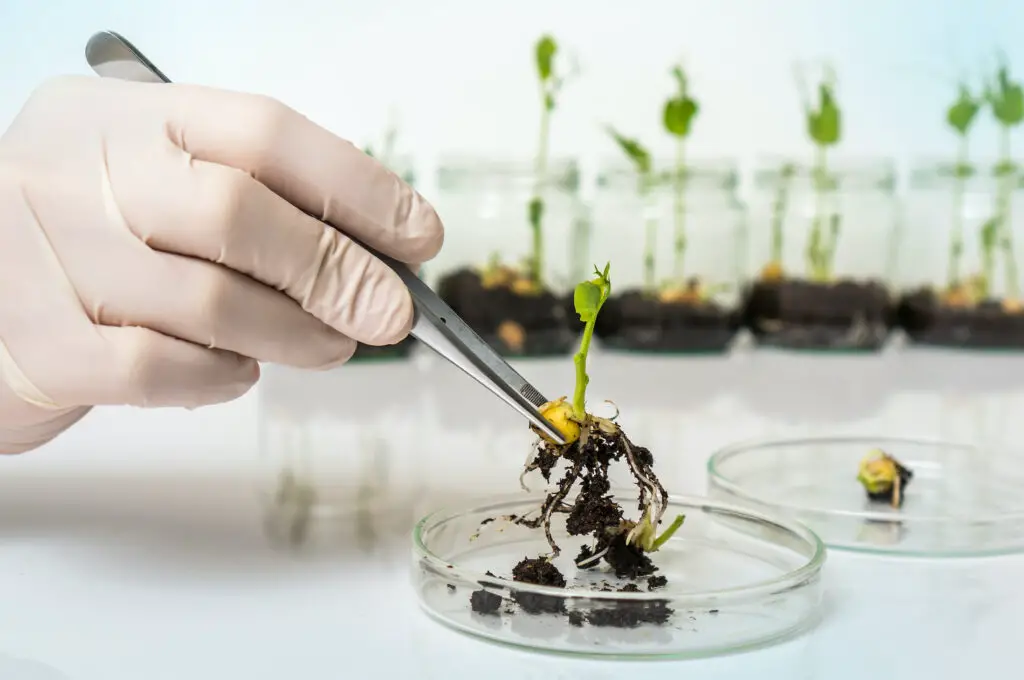
Another great example of biotechnology in agriculture is the development of biofuels. Biofuels are types of fuel that are produced from feedstock that includes wood fuel, charcoal, lumber pellets, crops, forestry residue, and industrial and municipal waste. Biofuels such as green diesel, biogas, biodiesel, and ethanol, offer cost effect and low-carbon-emitting approaches to making energy more accessible to decentralized and low-income populations.
With commitments from the Government of Tanzania and support by the Norwegian Embassy, the Tanzania Domestic Biogas Program has seen the implementation of over 12,000 biodigesters in the East African country.
In February 2022, the Mozambique’s Ministry of Agriculture and Rural Development and oil and gas supermajor, Eni, signed an agreement for the development of projects aimed at producing biofuels through agro-feedstock.
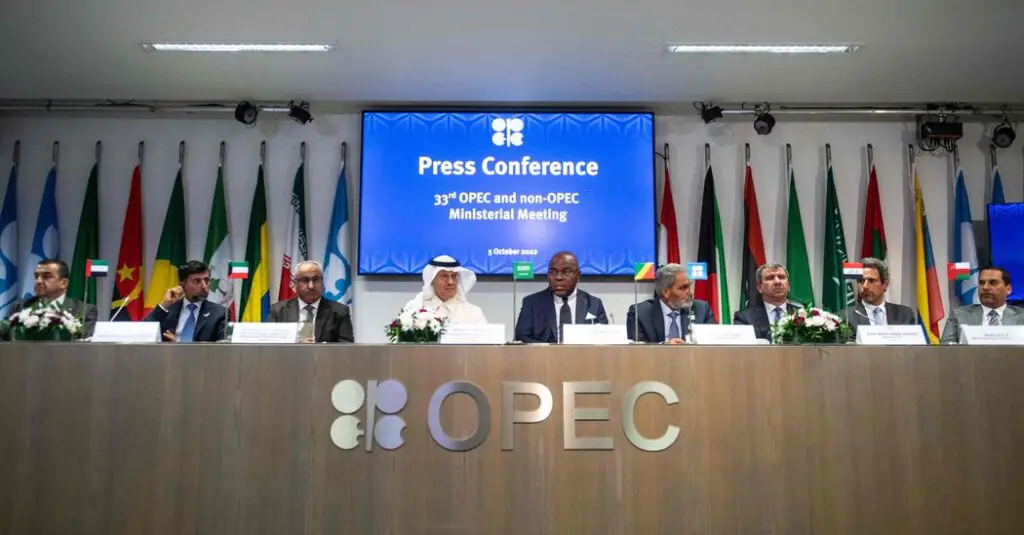
African countries will be largely impacted by the decision by the global cartel of oil producing countries to cut oil production given that only 14 out of 54 countries in Sub-Sahara Africa produce oil, which accounts for the lion’s share of their annual export earnings.
Many African countries have to import refined oil and rely on oil products in power generation. A hike in oil prices will boost economies of oil producing countries, by gaining foreign exchange earnings to carry out development projects such as Nigeria, Angola, Gabon, Libya, Cameroon, and Congo among others.
Consequently, this will create more job opportunities and greatly aid in poverty alleviation. In addition, the revenues could be redirected to other sectors that make significant contributions to the respective economies. By example, in countries like Cameroon, Gabon and Congo, internet infrastructure and technology could largely benefit from re-investing.
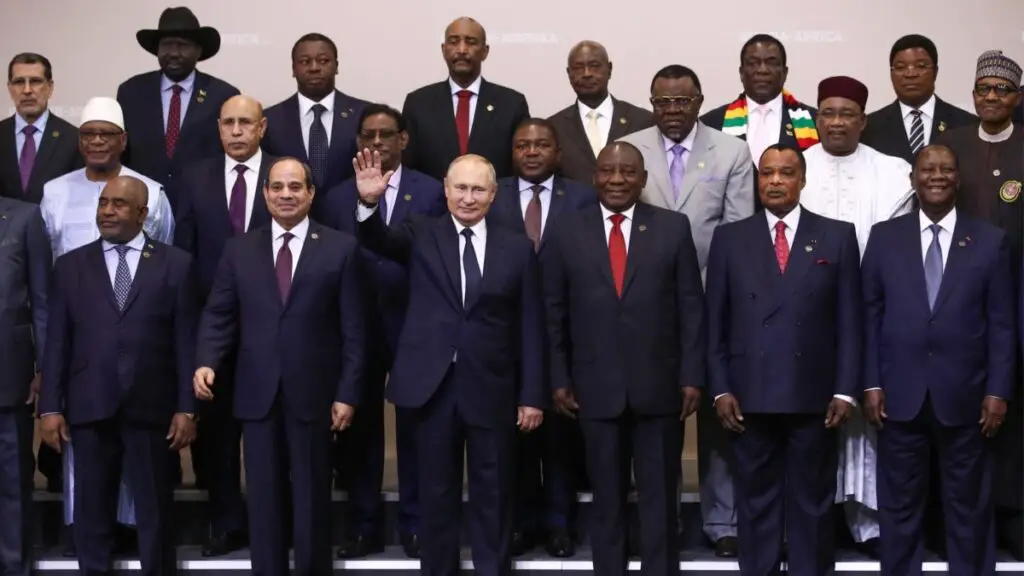
The crisis has thrown the energy market into chaos, sending fossil fuel prices soaring. This has birthed the global demand for thermal coal, especially from the Asian and European markets; with most countries in both regions having been dependent of Russia, as the country is the world’s third largest supplier of thermal coal used chiefly for power generation. Coal plants that had been scheduled for closure in Europe have been reopened, to fill the deficit in mitigating fuel costs and generating electricity; as the alternative gas, is inarguably more expensive. With energy security under threat, climate policies and commitments have taken a back seat. The EU recently declared that natural gas now qualifies for green investments.
The African coal market is projected to enjoy double its revenue for the next one year. The prevailing energy gap has created a window of opportunity for African coal producing nations. According to a report by Reuters, South Africa’s coal exports rose by 11 folds in the months following the war. Botswana has also projected growth in its coal market. The massive demand far outstrips the available supply, resulting into prices of thermal coal leaping to record levels. African countries with coal resources, have doubled profit margins, with the surge in demand from European buyers. Italy, France, Portugal and Spain have been sourcing from Nigeria, whilst Germany has sought Senegal for gas supplies.
The revenues gained from increased energy exports to Europe and other markets could be reinvested to boost agricultural productivity in Africa to mitigate reliance on Russia and Ukrainian wheat products. In addition, the surplus could boost the continent’s manufacturing sector, pertinently fertilizers to promote agricultural productivity which fuels most economies in Africa.
Why is agriculture so important? The World Bank estimates that “Healthy, sustainable, and inclusive food systems are critical to achieving the world’s development goals. Agricultural development is one of the most powerful tools to end extreme poverty, boost shared prosperity, and feed a projected 9.7 billion people by 2050.
Growth in the agriculture sector is two to four times more effective in raising incomes among the poorest compared to other sectors. Agriculture is also crucial to economic growth: it accounts for 4% of global gross domestic product (GDP) and in some developing countries, it can account for more than 25% of GDP.”
Agriculture not only eliminates hunger, but its support and success will lead to the attainment of the world’s development goals, end poverty, and boost shared prosperity. CGAP, which published an article about “The Role of Financial Services in Reducing Hunger”, states that for the majority of the 1.4 billion of the world’s poor living on less than US$1.25 a day, agriculture is the main source of income and employment.
To have only 3 of the eligible countries in Africa signing up for the initiative is tragic especially given the global economic environment of the world presently. A crippling sovereign crisis is looming on the African horizon. Catalysts of the crisis include a strong United States dollar which has been resurgent during the year.
Debt on the on the books of most African countries is denominated in the greenback and its strength will have an adverse impact on their public finances and their ability to service their loan obligations timeously.
This problem is further compounded by rising interest rates which are certain to make the cost of debt that much more expensive for countries that already cannot afford to be overextended financially.
The debt of most African countries is in the hands of private creditors who in recent time have become as important as their multilateral counterparts. These private creditors are less likely to be concessionary in terms of discussions around restructuring of debts.

One of the features of many countries that are endowed with abundant natural resources is that they save less than what is expected, considering the rents obtained from extracting and selling natural resources.
If the countries saved more, they would grow at a sustainable and faster rate. To gain a better understanding of sustainable development, it is useful to examine the concept of genuine saving.
Genuine saving is defined as public and private saving at home and abroad, net of depreciation, plus current spending on education to capture changes in intangible human capital, minus depletion of natural exhaustible and renewable resources, minus damage of stock pollutants (CO2 and particulate matter).
More importantly though, a clear signal was sent to the EU Parliament that the colonial days are over and that meddling in affairs and interfering with matters that are of the exclusive sovereign remit of the host countries, Uganda and Tanzania, is simply not tolerated.
Following the EU Parliament’s action, Total Energies is to appear before the Parliament for a hearing and answer queries that the members of parliament will have. That coupled with the fact that Total has an ongoing court case in France regarding an allegation of its failure to put in place an adequate vigilance plan covering health, safety, environment, and human rights risks as required by French law, related to the the same EACOP project, it will be interesting to see whether or not Total Energies might drop out of the project at the risk of being exposed to breach of contract claims by the other Parties to the venture.Total Energies controls EACOP legal shareholding since it has the majority.
However, it may be a small price to pay amid the increasing pressure in France and Europe for green and climate friendly projects. Worldwide, financiers are avoiding investments in fossil fuels projects and looking for what is hailed as green investments.
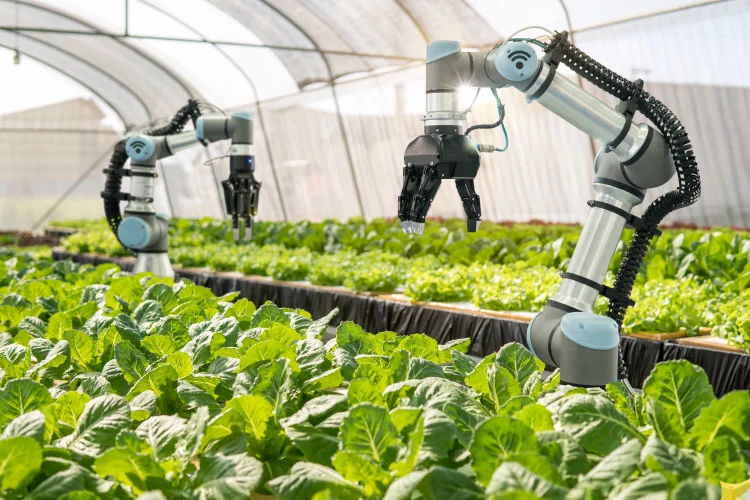
Integrating AI in farming machines will definitely help in optimizing operations. Investments in mechanization enable farmers to expand the range of their activities and diversify their livelihoods in ways that can reduce their vulnerability to climate change.
The availability of appropriate machinery to carry out sustainable crop management practices increases productivity per unit of land. It also increases efficiency in the various production and processing operations and in agricultural inputs’ production, extraction and transport. Artificial Intelligence methods support agriculture decision-making systems, help optimise storage and transport processes, and make it possible to predict the costs incurred depending on the chosen direction of management.
Tractor-operated tillage is the single most energy-consuming operation in crop production. Operating a plough is the main reason many farmers require high horsepower and diesel-fueled tractors. Conservation agriculture is flexible enough to accommodate the socio-economic resources of smallholder farmers as well as large-scale farming operations.