
Trending
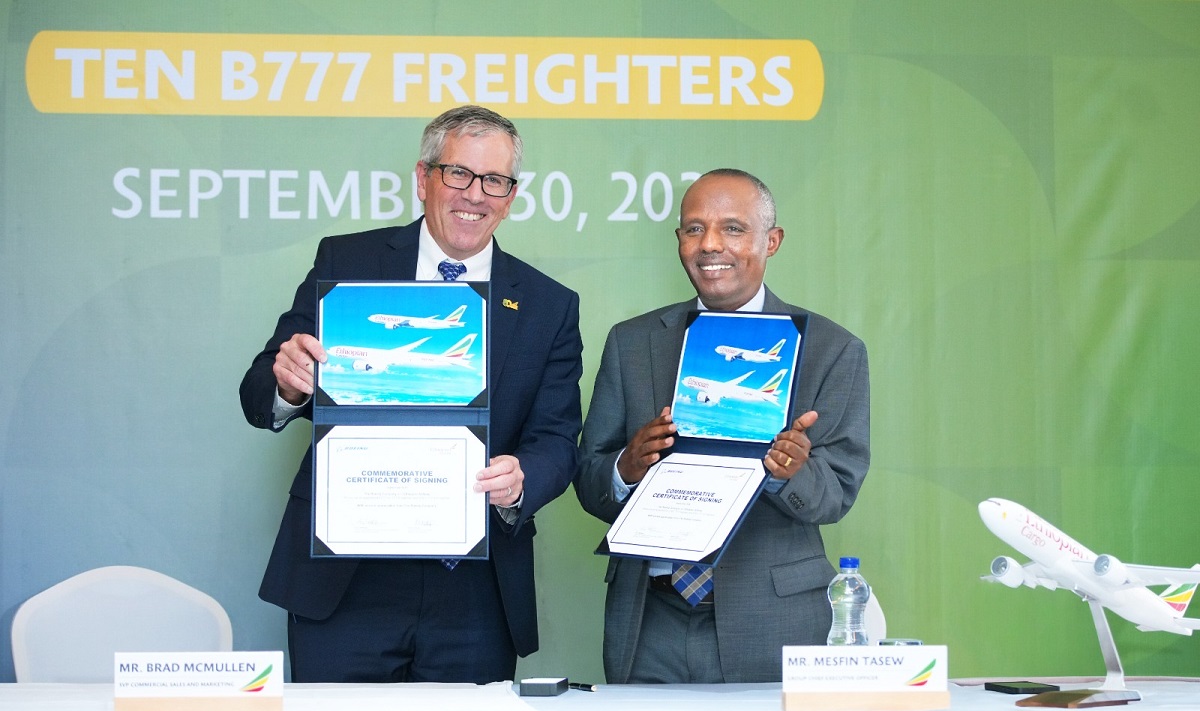
- Ethiopian Airlines bets big on Boeing freighters in $5 billion cargo fleet expansion
- Silicon Valley’s Tim Draper backs Nairobi blockchain festival, sees Africa as next digital frontier
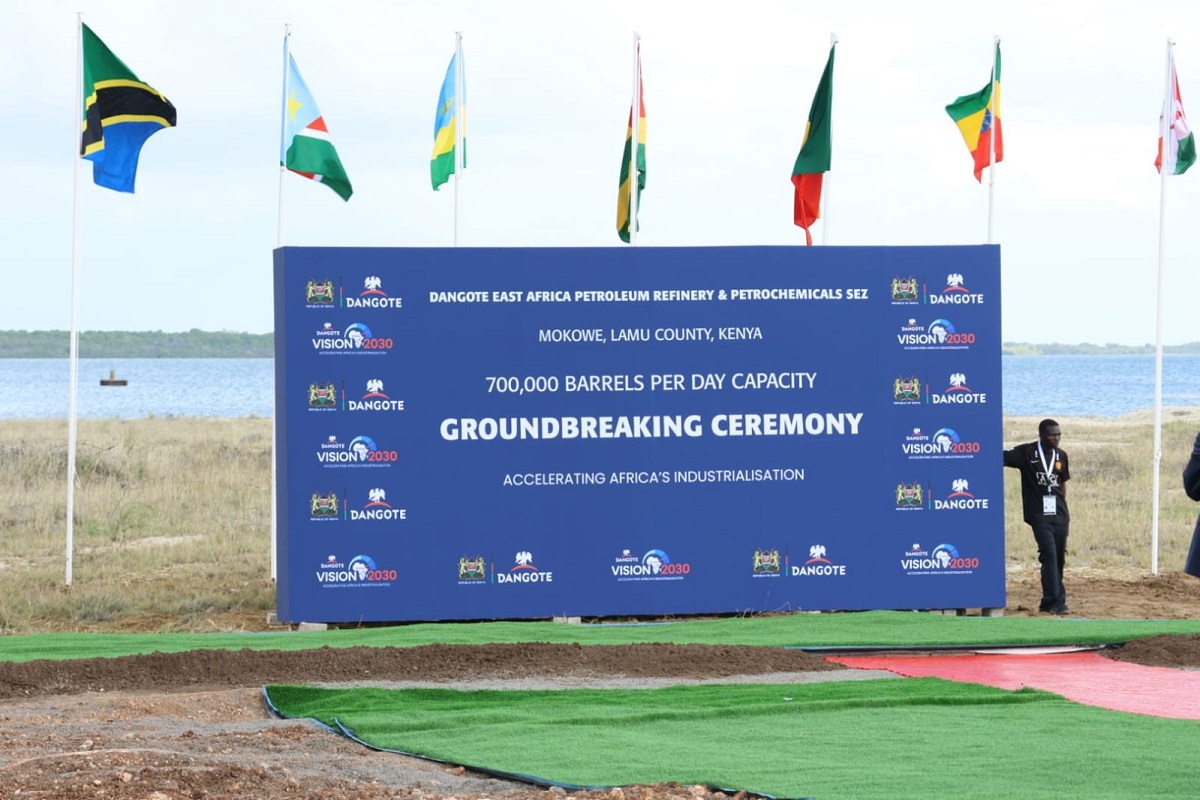
- Dangote breaks ground on $16bn Lamu refinery as East Africa seeks fuel independence
- Gulf and African states meet in Dar to rewrite rules of labour migration
- African governments drive new forest finance progress as global report warns funding globally must scale faster
- Fine Spinners eyes Kenya’s Agoa-backed apparel supply chain with $5m plant
- Why young Kenyan investors need to stop treating the stock market like a betting slip
- Tanzania tax reforms mandate VAT refunds to under 30 days


Browsing: Africa
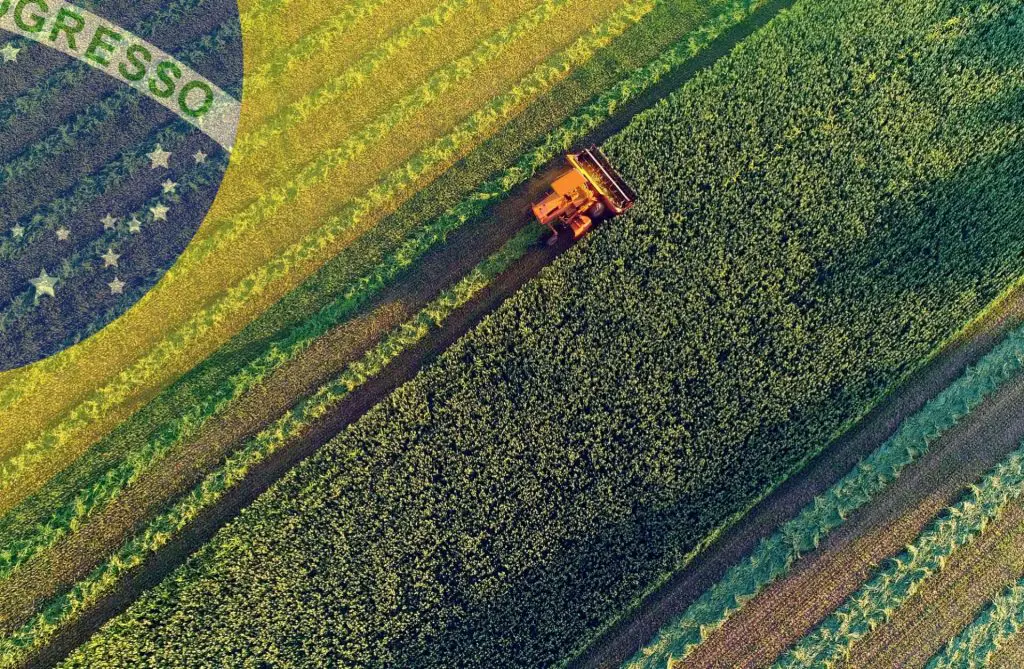
According to Statista, agriculture contributes at least 4% of the annual value added to the gross domestic product of Brazil. It accounts for at least 9% of the people who are employed and able to work. On the face of it reading numbers 4% and 9% seem like they are nominal until one considers the sheer size of the country of Brazil in terms of land mass. Brazil is one of the largest countries in the world in terms of land area. It sits on no less than 8.5 million square kilometres.
Of this land mass, approximately a third is used for agriculture. For perspective’s sake, Brazil is the fifth largest country in the world after Russia, Canada, China, and the United States. The Brazilian Report states that all the countries that make up the European Union would fit inside Brazil’s borders!
To bring the perspective much closer to home, the land mass Brazil sits on is reportedly seven times larger than South Africa. Zimbabwe would fit twenty-two times into Brazil’s land mass, and Kenya would fit 15 times into the South American country. The country is large. The land it uses for agriculture purposes alone would be larger than some countries and continents.

Online payment solutions are immensely beneficial for their users, both customers and merchants alike. Online payments help reach global customers, reduce the cost of transactions and provide payment security (compared to cash payments). They create a more pleasant experience for the users who need not rush to banks and malls to buy or pay for their needs.
Pan-African fintech giant Flutterwave has kept its promise about Google Pay, as users of the global payment service can now use it for transactions with merchants on Flutterwave’s stores.
Google Pay was designed to enable users’ safe, seamless, contactless payments. It uses near-field communication (NFC) technology to facilitate fund transfers for retailers in physical stores. Users can also save their card details into the Google Wallet service and make online or in-app payments.
Ghana’s case specifically plays out with the dramatic effect consistent with a Shakespearean tragedy. The west African nation ironically is a darling of the West in terms of foreign direct investment. Yet, its debt levels have breached what multilateral institutions consider to be sustainable. A painful irony in the case of Ghana is that it was offered the opportunity to renegotiate the terms of its debts through the World Bank’s Debt Service Suspension Initiative. However, Ghana did not elect to participate.
A second painful irony is that Ghana, this time around, does not owe most of its debts to multilateral institutions like the International Monetary Fund or the World Bank. It owes the bulk of its debt to private lenders like the world’s largest asset manager Black Rock, and its has expressed that it has no interest in renegotiating the terms of Ghana’s sovereign debt.
If Ghana had borrowed from the multilateral institutions mentioned formerly, it would have the scope to renegotiate its loans as these institutions tend to be more conciliatory and concessionary in their dealings with borrowers, unlike the private lenders who are driven by the profit motive and the need to create value for shareholders.
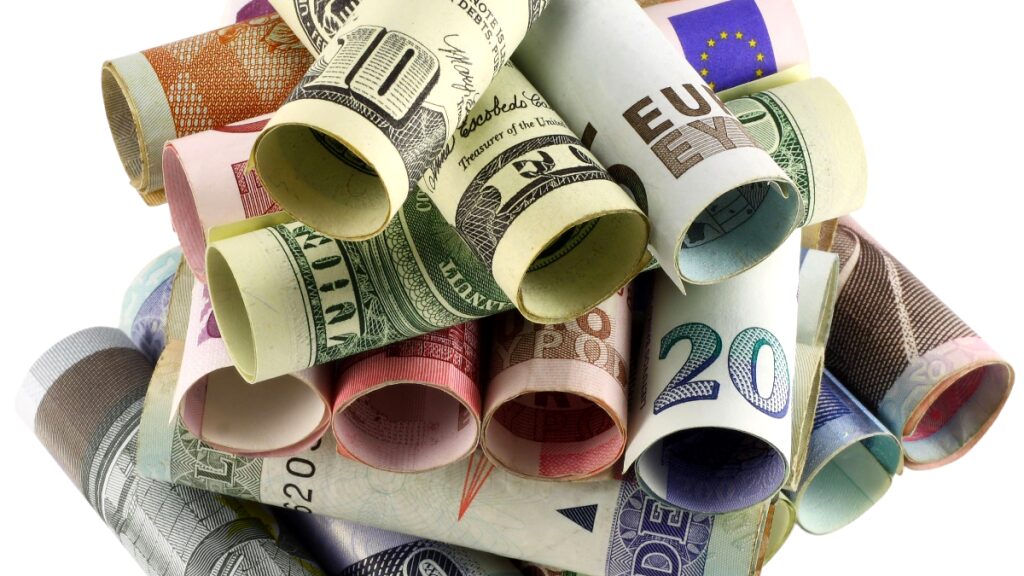
A currency crisis is defined as a quick and abrupt depreciation of a country’s currency. Currency depreciation goes in tandem with turbulent markets and a loss of confidence in the country’s economy. Historically, crises have arisen when market expectations induce significant movements in the value of currencies.
The global economy is now in turmoil. As the world economy enters another era of a currency crisis, the value of the US dollar keeps rising. Over half of all international trade is billed in dollars. A stronger dollar thus hurts consumers globally, particularly in Africa, who rely on dollars to pay for imports.
The US Federal Reserve’s hawkish approach to increasing interest rates more aggressively than central banks in other major countries has contributed to the dollar’s appreciation. The fact that investors generally see the dollar as a “safe haven” asset during times of economic turmoil has added to its resilience.

Partnerships have largely driven technology innovation and global collaborations among tech companies, and Alibaba Cloud is not slowing down in…
Because of erratic economic policy, Zimbabwe continues to be the sick man of the Southern African Development Community (SADC) region.…

CyborgIntell Africa says it will work closely with financial institutions and other enterprises to help them rapidly develop, deploy and operationalize AI applications at scale.
A statement says the CyborgIntell platform addresses the key challenges companies face in the data science/machine learning lifecycle – from data selection and modelling, and operationalizing AI, to managing risk and governance.
“AI is a powerful and transformative technology, yet many companies across the world find it difficult to unlock its full potential. More than a third (36%) of organizations take more than 90 days to deploy data science machine learning (ML) projects, while the failure rate of such initiatives is estimated to be 85% across industries,” said McLachlan, CyborgIntell managing director.
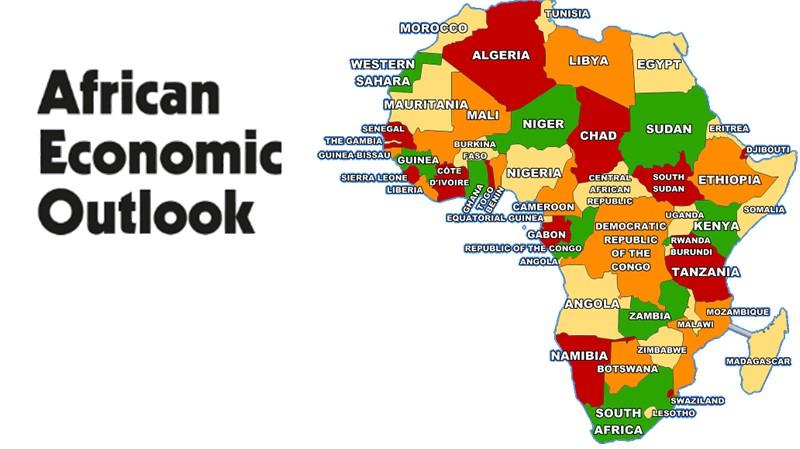
The continent in the near future will have the largest population in the world. The population of Africa is urbanizing as citizens of the nations of the continent migrate from rural to urban areas.
This addition to its vast natural resources is a potent combination for its rapid economic expansion. The world witnessed first-hand the economic miracle where China transformed itself from a rural backwater in 1949 when the modern Chinese state was founded to an economic and military superpower by 2019. The year 2019 is significant to China because the country celebrated 70 years of its founding as a communist state, and the Asian country gained worldwide recognition as a military superpower.
China put on a military parade that displayed a weapons arsenal that made the United States sit up and take notice. How was this possible? China’s economic transformation was because of several factors. One of the most important factors was and remains the rapid urbanization of its population, driven by the migration of millions of Chinese citizens from the rural areas to the booming metropolises. This urbanization increased the demand for natural resources and commodities needed to construct cities, roads, and infrastructure needed to support a rapidly expanding economy.
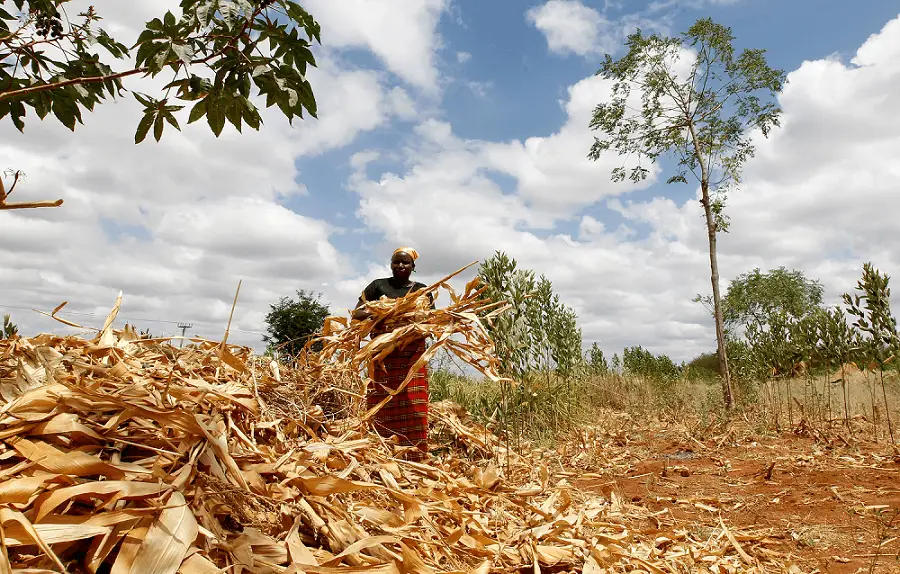
Insurance provides farm income stability by compensating the losses to the farmers in a timely and efficient manner. It ensures that the farmer is kept on the farm doing what they know and loves best, farming, thereby contributing to food security.
The majority of the farming community in Africa generally operates on thin margins. Most do not have title to land or any bankable assets that they can use as collateral to access finance for the much-needed inputs. By using the insurance policy as collateral, the farmers can access the finance they need, source the right inputs on time and be more productive per unit area, thereby contributing to the food security of their country, apart from also creating their own margins.
The National Bank of Commerce (NBC) in Tanzania have an Agricultural Insurance product in collaboration with Jubilee Insurance Company, aimed at protecting farmers, fishermen, and livestock keepers in the country against losses when they experience various disasters that may affect their production, according to Tanzania Daily News.
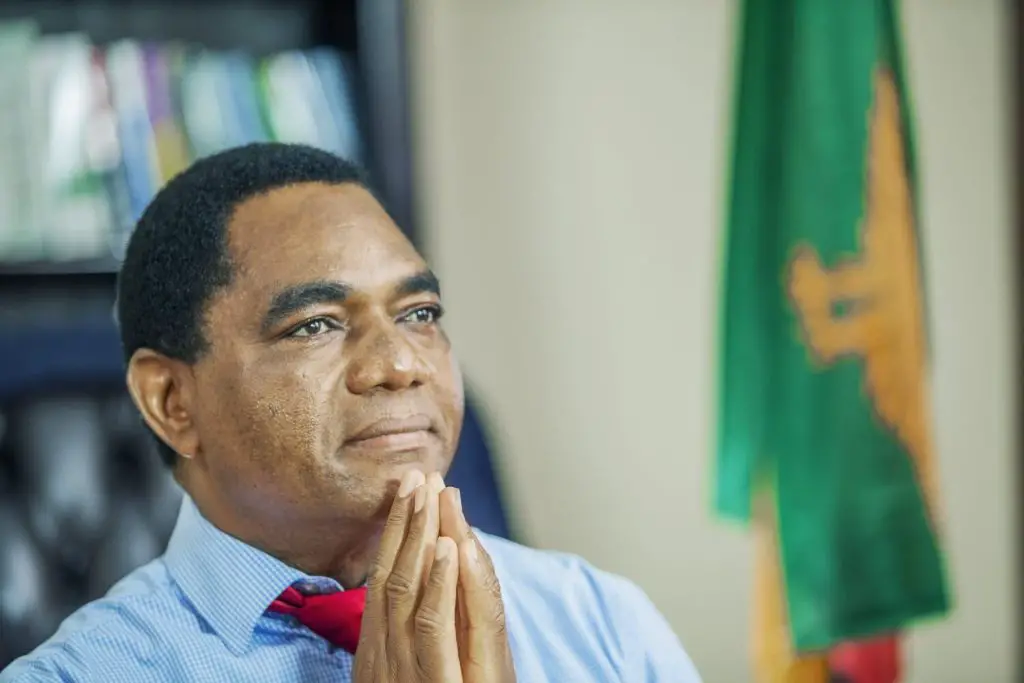
Zambia has dealt with the legacy of years of economic mismanagement, with an especially inefficient public investment drive. Zambia has been in debt distress. Therefore, the country needed a deep and comprehensive debt treatment to place public debt on a sustainable path.