
Trending
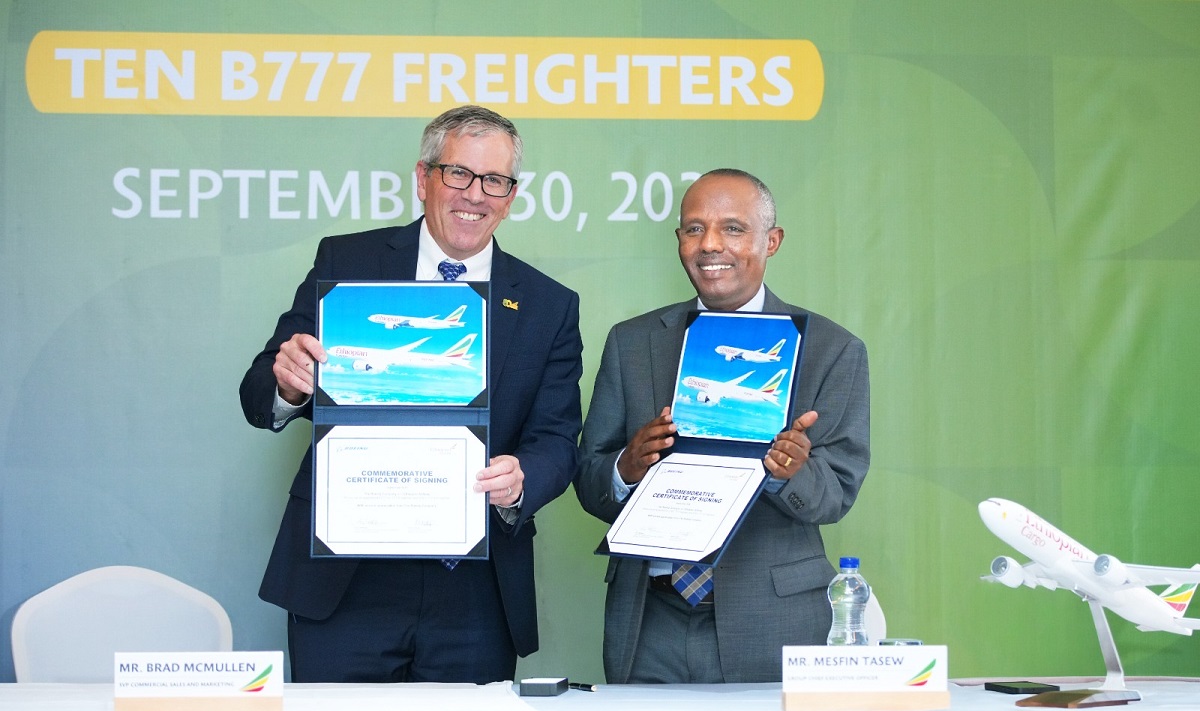
- Ethiopian Airlines bets big on Boeing freighters in $5 billion cargo fleet expansion
- Silicon Valley’s Tim Draper backs Nairobi blockchain festival, sees Africa as next digital frontier
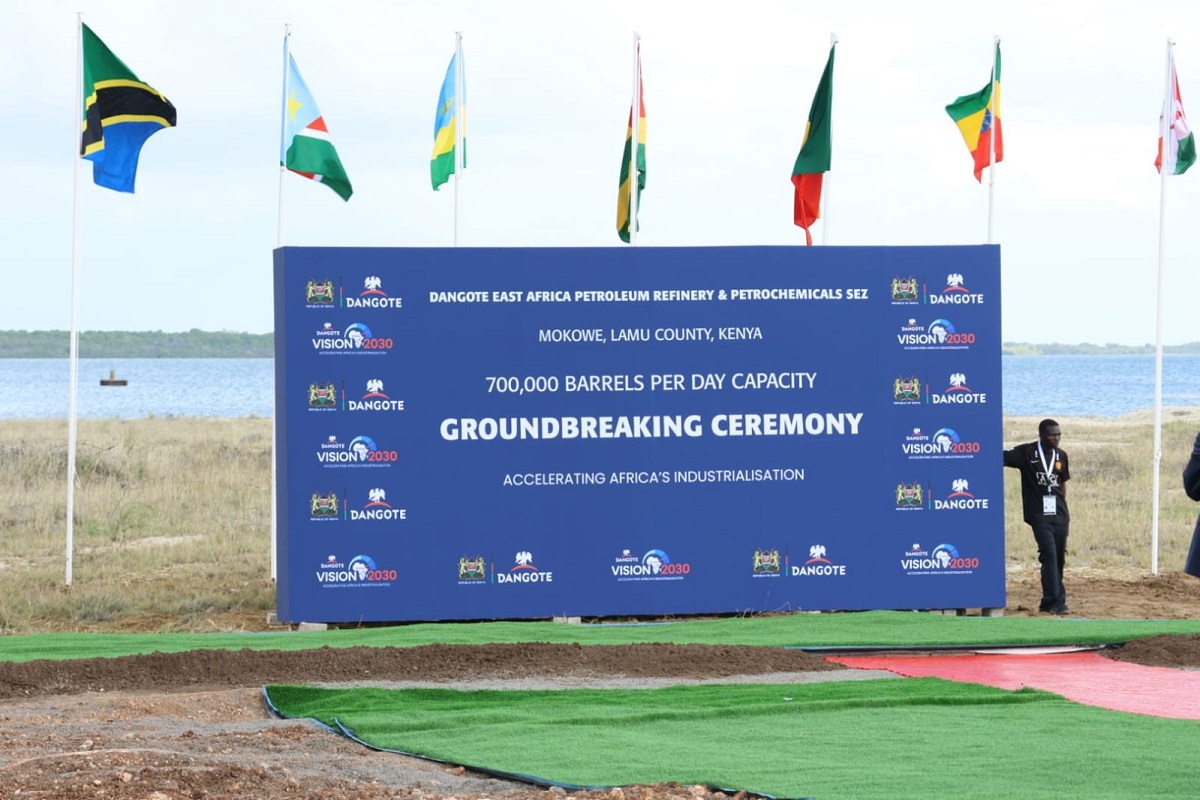
- Dangote breaks ground on $16bn Lamu refinery as East Africa seeks fuel independence
- Gulf and African states meet in Dar to rewrite rules of labour migration
- African governments drive new forest finance progress as global report warns funding globally must scale faster
- Fine Spinners eyes Kenya’s Agoa-backed apparel supply chain with $5m plant
- Why young Kenyan investors need to stop treating the stock market like a betting slip
- Tanzania tax reforms mandate VAT refunds to under 30 days


Browsing: Africa
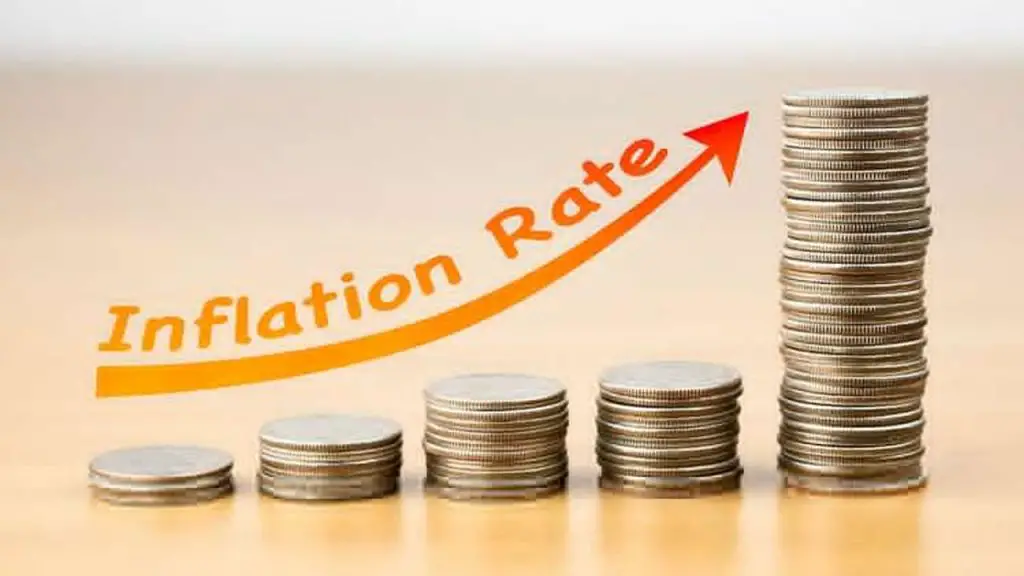
This year’s progress has been threatened by Russia’s invasion of Ukraine, which has caused a global economic shock that has hit Africa at a time when the government’s policy space to respond to it is small to nonexistent.
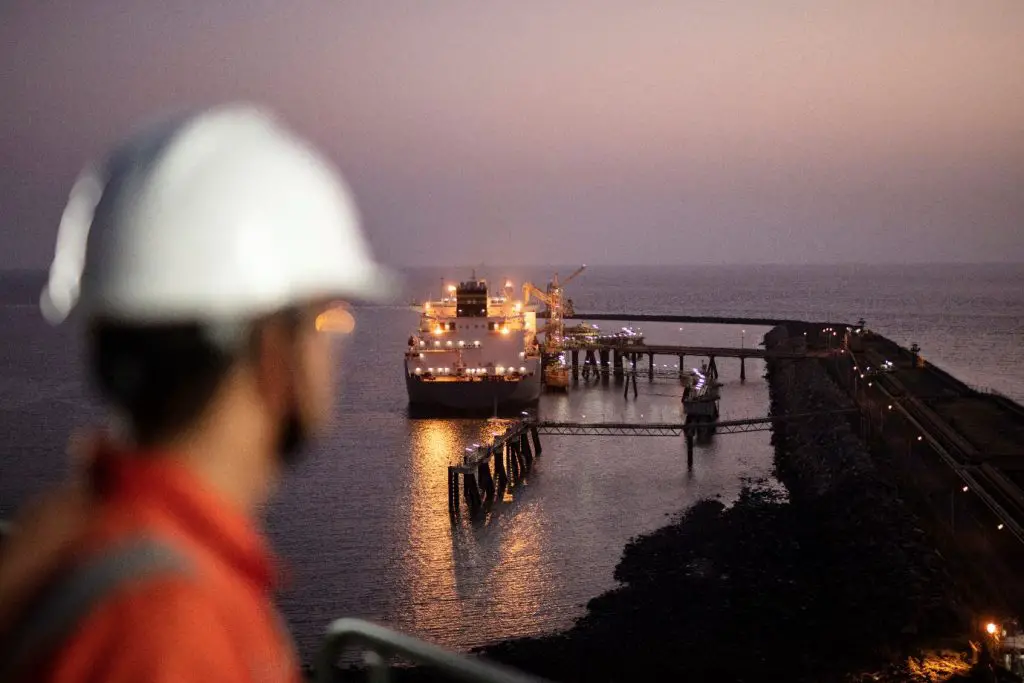
Only last December, the OPEC (and partners) coalition agreed to chop oil output by 1.7 million bpd, and in turn, Saudi Arabia agreed to cut its output by 400,000 bpd. However, Moscow is now backing away from more cuts in production because reducing production would give breathing room to the already suffering US producers.
The US remains unmoved. It refuses to lower output despite the falling oil prices that have seen Washington suffer a minus US$4 in oil futures. Meanwhile, the Kremlin’s response has been to flood the market with even more oil output to push prices down.
While US oil producers have previously proved to be rather resilient to low prices, managing to counterbalance prices as low as US$30 per barrel in the past (see details below), they may not fare so well this time around.
The shale producers were already suffering over the last year as Moscow waged an outright oil price war on them, persistently flooding the market to keep prices down. Needing prices to stay at US$65 per barrel to at least break even, let alone sniff a profit, many US producers filed for bankruptcy.
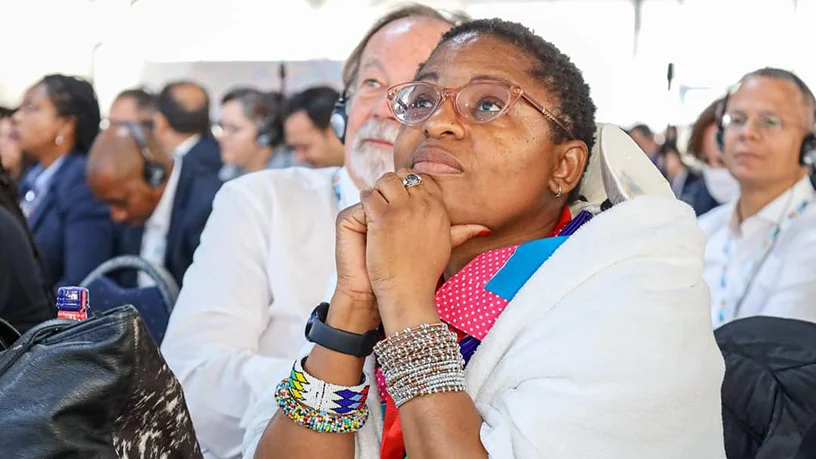
The election of South Africa and other countries, on Monday, October 3, 2022, into different regional groups that constitute ITU Council was the highpoint of the Plenipotentiary Conference 2022 (PP-22) ongoing in Bucharest, the capital city of the Republic of Romania.
The seats in ITU Council are divided into five regions, A to E. South Africa was elected into the ITU Council Region D for Africa, which has 13 seats. The other 12 countries elected alongside South Africa are Algeria, Egypt, Ghana, Kenya, Mauritius, Morocco, Rwanda, Senegal, Nigeria, Tanzania, Tunisia, and Uganda.
Elections of member states also took place into Region A for The Americas (nine seats); Region B for Western Europe (eight seats); Region C for Eastern Europe & Northern Asia (five seats); and Region E, for Asia and Australasia with 13 seats as Africa.
The 21st Plenipotentiary Conference of the Council, also saw the election by member states, of Doreen Bogdan-Martin of the United States of America as the organisation’s next Secretary-General.
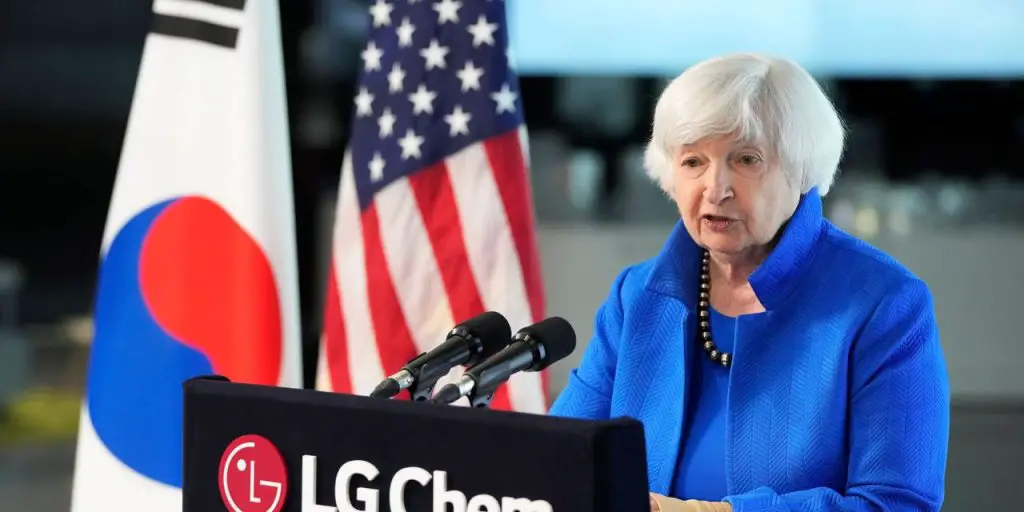
Russia war on Ukraine worsening inflation in Europe US offers list of commitments to Asia in friend-shoring deal Africa needs to…
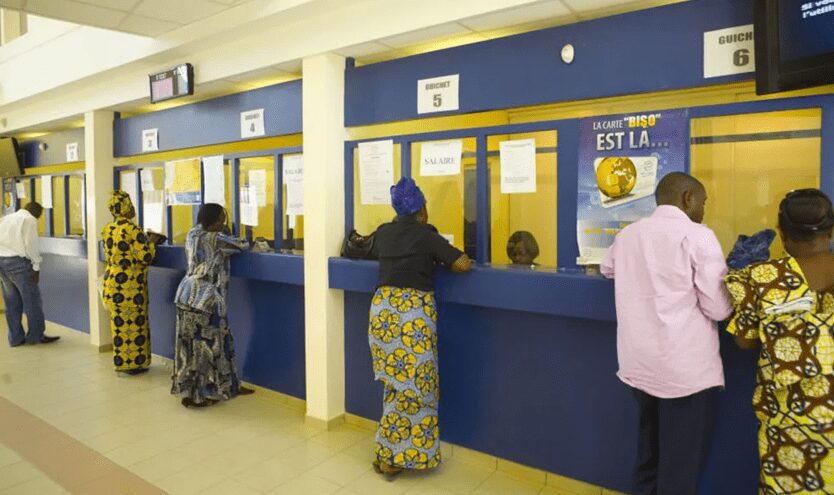
Banks in Africa generally and in South Africa especially weathered the perfect storm caused by the COVID-19 pandemic. This is…
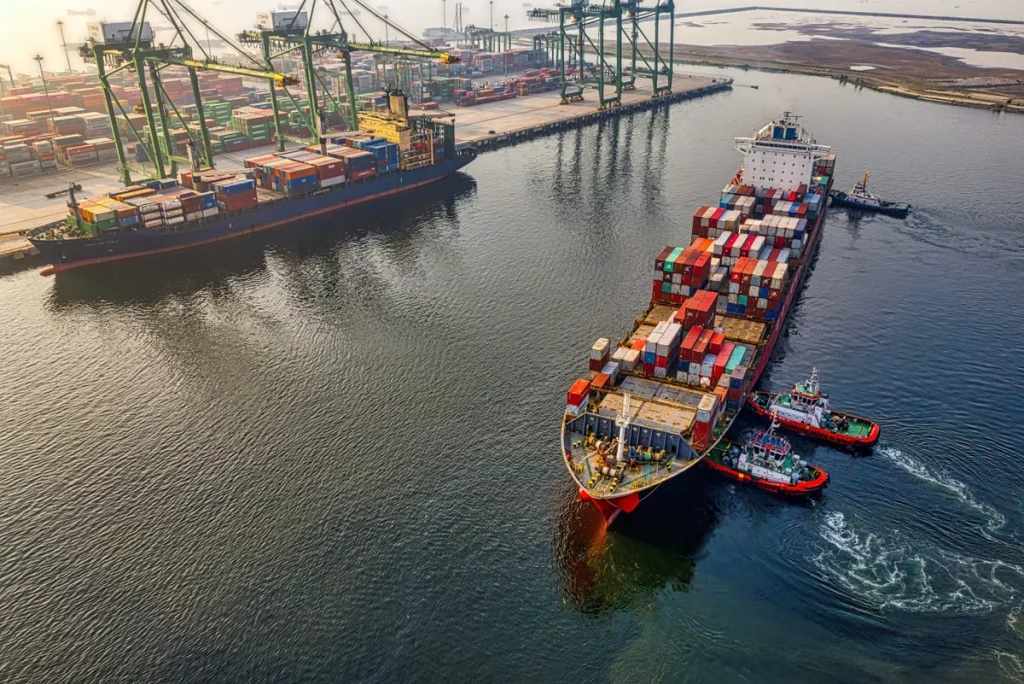
Recent economic growth and development within Southern and Eastern Africa have created positive opportunities to expand water transportation services. Owing to the impressive growth of the East African economy, where countries like Tanzania and Ethiopia have experienced remarkable growth rates higher than the regional and continental levels, there is a prospect for expanding cargo traffic. A few of the sub-regions ports are experiencing capacity constraints and congestion.
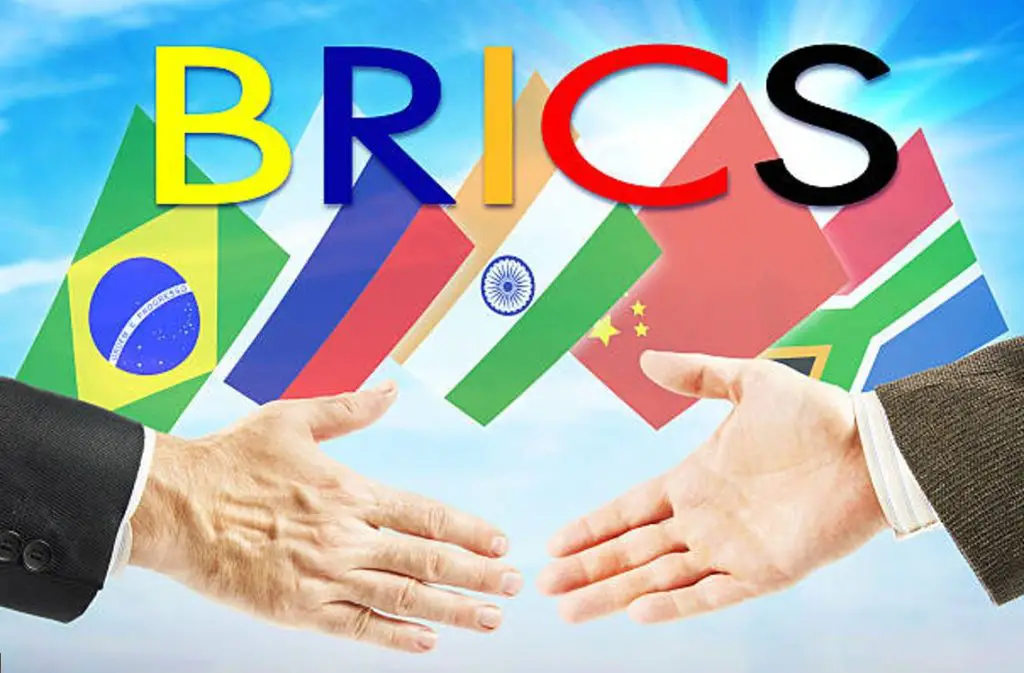
China presently has the largest sum of foreign exchange reserves in the world. When its over US$ 3 trillion in reserves is added to the reserves of the other BRICS member states the questions as to why they cannot issue their own currency start to grow louder.
Talks of a common currency fizzled out as more pressing national and international matters eclipsed the idea. This year 2022 has seen renewed calls for a common reserve currency emerge once again. This time Russia is leading the call for the creation of a reserve currency that will be an alternative to the United States dollar as a mechanism for the settlement of international transactions.
Russia’s motive for making such a call is obvious, the country has been at war with Ukraine since February 2022. This aggression against Ukraine has earned Russia some of the most stringent economic sanctions in history. What has been the greatest pain point is that Russia has lost access to at least half of its foreign exchange reserves since the beginning of its war with Ukraine.
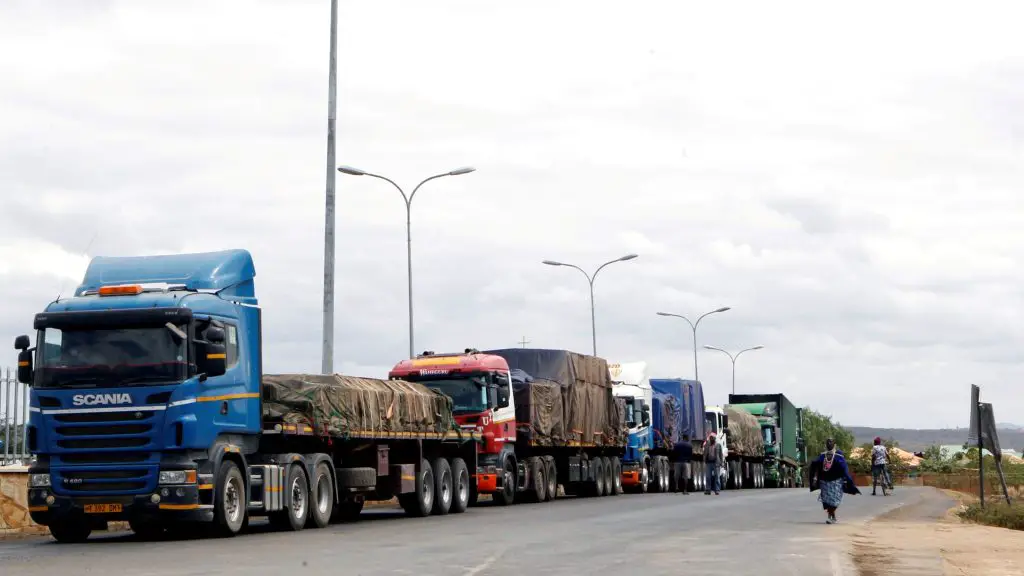
The difficulty of transferring commodities throughout Africa is not new to the continent. It is currently a key impediment to the AfCFTA’s prospects, especially in building regional industrial supply chain clusters. Africa’s massive infrastructure deficit has hindered regional trade and economic integration for decades, notably in transportation and supply chain fragmentation.
Some parts of the continent, specifically areas surrounding East African nations, do far better in cross-border movement and trade. However, most African countries fare poorly on metrics such as cross-border clearance processes. According to the World Bank’s Logistics Performance Index, the regions also struggle with trade quality, infrastructure, inconsistent tax regimes, and consignment trace and track techniques.
Digitalisation in Africa’s logistics industry will address some of these difficulties. Furthermore, the development of digital logistics startups has aided in the facilitation of connection, which is critical to the movement of commodities within the area and across borders.
The calls for concrete, concomitant, and substantive actions against carbon emissions are not an exaggeration. The effects of climate change are obvious, even for the casual observer to see. Presently a devastating hurricane, Ian has made landfall on the United States coast of Florida. The tropical storm which tore through Cuba and made landfall in the United States a day ago has reportedly left an estimated 2.5 million people without electricity.
NBC News called hurricane Ian one of the most powerful storms ever to hit the United States. The hurricane it is said, has caused devastation and flooding that has left residents of Miami and Florida trapped in their homes. Hurricane Ian has been described as a category 4 hurricane with speeds of as much as 150 miles per hour or 240 kilometres per hour. Speeds like that make such a storm a threat to life and property. President Joe Biden has declared a major disaster in Florida and ordered that Federal assistance be rendered to the state efforts.
There have been reports that the polar ice caps are melting at a rapid pace and may no longer exist in this current generation. There have also been media warnings that should this eventuality become inevitable, then the low-lying parts of Denmark and surrounding countries could be submerged under water. The impact of climate change has not spared the African continent. It must be said that the impact of climate change is more devastating in Africa.
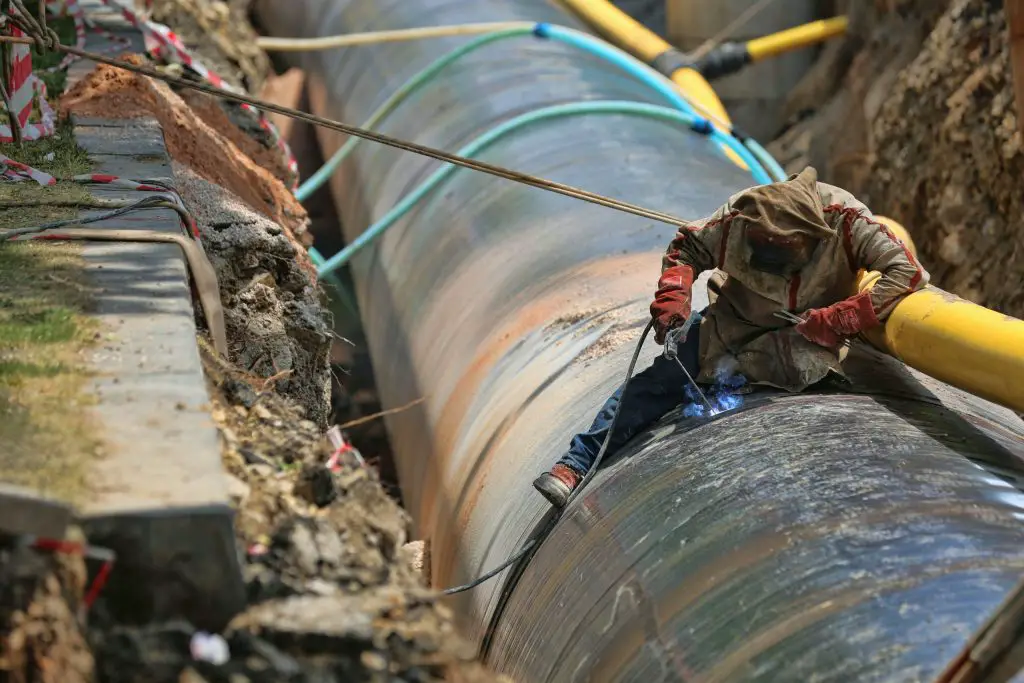
What is good for the goose must also be good for the gander. However, the EU commission has commissioned the Baltic pipe project, somewhat similar to the EACOP. The Baltic Pipe project was inaugurated on September 27, 2022, at an opening ceremony in Goleniów, Poland.