


Trending
- Africa’s Green Economy Summit 2026 readies pipeline of investment-ready green ventures
- East Africa banks on youth-led innovation to transform food systems sector
- The Washington Accords and Rwanda DRC Peace Deal
- Binance Junior, a crypto savings account targeting children and teens debuts in Africa
- African Union Agenda 2063 and the Conflicts Threatening “The Africa We Want”
- New HIV prevention drug is out — can ravaged African nations afford to miss it?
- From banking to supply chains, here’s how blockchain is powering lives across Africa
- Modern railways system sparks fresh drive in Tanzania’s economic ambitions


Browsing: Africa’s economic growth
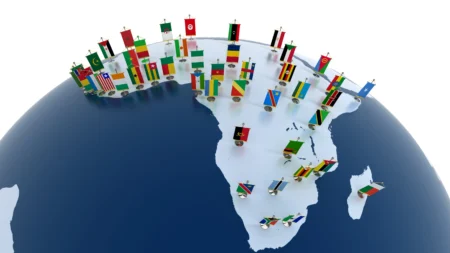
The implications of fragmentation and polarization on Africa’s economic growth and whether these trends will continue are unknown. What is certain is that multilateral organizations will need to continue encouraging international dialogue to promote economic integration and collaboration. As a result, one problem that emerges is whether African nations would adopt a unified stance or take a non-aligned approach in the Sino-American dispute.
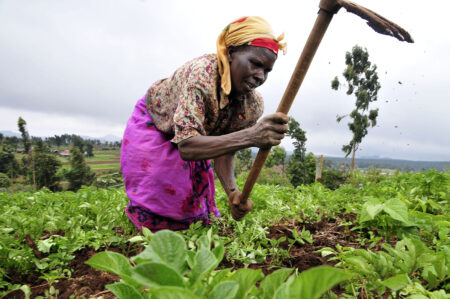
Governments can play a crucial role in enhancing agricultural productivity in Africa for economic growth. Individual nations can accomplish this by establishing policy environments to promote agricultural investment, including providing tax incentives and subsidies to producers. Governments can also prioritize agricultural development in their national budgets by allocating a more significant proportion of their resources to the sector.

China’s reduced lending to Africa has raised concerns about the future of Africa’s economic development and its relationship with China. The reduction in lending is due to a combination of factors, including the slowdown in the Chinese economy, the growing debt burden of African countries, and China’s increased selectivity in its lending.
The reduced lending has several implications for Africa’s economic future. African countries must find alternative sources of financing, a shift towards domestic resource mobilization, a change in the balance of power between China-African relations, and a potential slowdown in infrastructure development. African countries must navigate these changes carefully to ensure sustainable economic growth in the coming years.
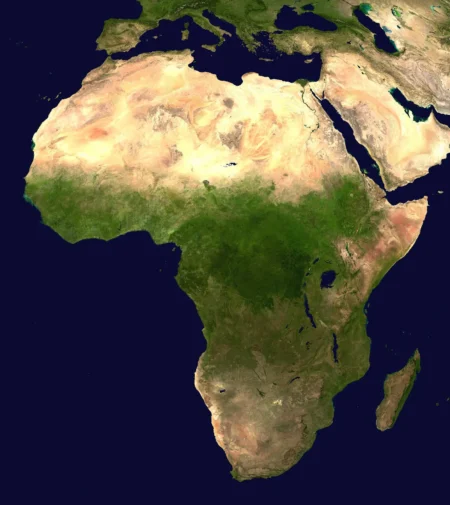
Given these large costs and the effect on Africa’s economic growth, it remains imperative to prevent the prevalence of conflicts. Several economic and structural factors, including low-income levels, poor growth outcomes, weak governance, state capacity, and inequality of opportunity—especially across ethnic, religious, and regional groups—increase the likelihood of conflict. Addressing these challenges would address political instability in Africa and prevent conflict.
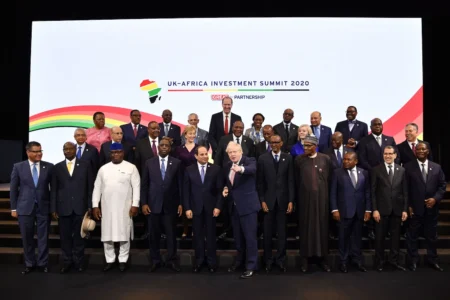
The AIS 2024 will build on the £6.5 billion deals and £8.9 billion investment commitments achieved at the previous summit held…
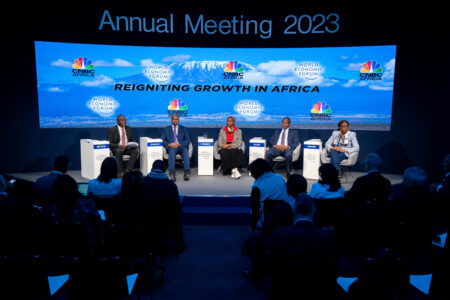
The continent as always, has great promise. This was the unanimous conclusion from the just-ended World Economic Forum, which is…

African countries have started recovering from the effects of the COVID-19 pandemic after most economies shrunk due to the crisis.
The continent is home to over a billion people who live in low, lower-middle, upper-middle, and high-income countries.
The economy in the Sub-Saharan Africa (SSA) region is projected to expand by 3.6 per cent in 2022, down from 4 per cent in 2021, according to World Bank.
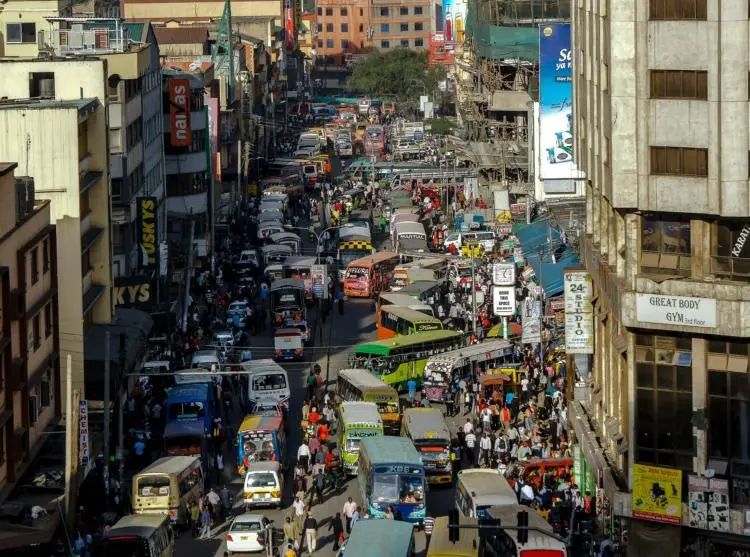
Kenya is commonly considered to be East Africa’s financial hub. Its economic growth has increased steadily in the last decade…
Africa’s economic growth remained stable in 2019 at 3.4% and is on course to pick up to 3.9% in 2020,…