


Trending
- African governments drive new forest finance progress as global report warns funding globally must scale faster
- Fine Spinners eyes Kenya’s Agoa-backed apparel supply chain with $5m plant
- Why young Kenyan investors need to stop treating the stock market like a betting slip
- Tanzania tax reforms mandate VAT refunds to under 30 days
- In New York, world leaders unveil plan to overhaul global health architecture
- Minisend grows Kenya presence as official payment partner of Africa Blockchain Festival 2026
- UN resolution challenges world maps that make Africa look smaller
- Zimbabwe edges closer to arrears payment, debt restructuring and reset of ties with IMF


Browsing: Banking

Through various AfDB financing programmes across Africa, a total of 61M people have gained access to clean water since 2015.…

Currently, financial inclusion is a target that all African countries must achieve. Boosting Africa’s financial inclusion will have a positive impact on economic growth and the prosperity of society. Through financial inclusion, everyone has access to a variety of quality, effective, and efficient financial services. Increasing public accessibility to financial service products will further reduce the level of economic and social inequality which in turn will improve the welfare of the community.
One of the efforts to achieve this financial inclusion target is through technology in the form of digital finance. When financial products and services use internet technology, it makes it easier for people to directly access various kinds of payments, shopping, savings, and investments, including loan and credit facilities. Among these digital financial elements, the payment facility is the service that is experiencing the fastest development and contributes greatly to the achievement of Africa’s financial inclusion targets.

Financial knowledge remains paramount in an era in which increasingly complex financial products have become readily available to many. Governments in different countries have put more effort into expanding access to financial services. Consequently, the number of individuals with bank accounts and access to credit products is increasing.
Financial literacy remains crucial to personal and economic empowerment, enabling people to make sound financial choices and manage their finances effectively. Africa suffers from a significant shortage of financial literacy, which hinders its economic growth and development.

Faulu Bank, a microfinance firm in Kenya, unveils a digital platform for real time cash transfer between banks and their…
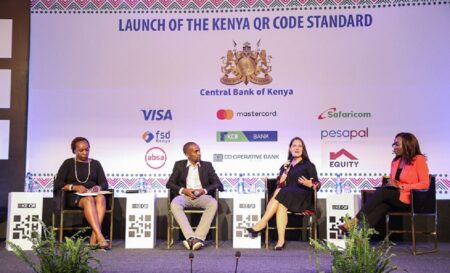
New standard to guide how Payment Service Providers and institutions regulated by the CBK issue quick response (QR) codes. Merchants…
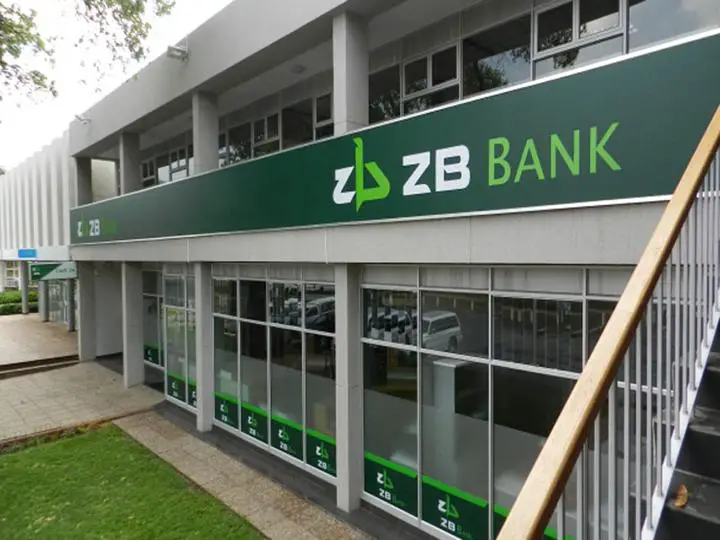
As his banking operation grew Vingirai became the target of what has been called deliberate skullduggery against successful businesspeople in Zimbabwe. In 2004 after the banking crisis that claimed the scalps of most of the indigenous banks in Zimbabwe Nicholas Vingirai had to leave the country and spent seven years in self-imposed exile after he was charged with contravening the country’s exchange control laws.
He was absolved in 2011 of the charges of externalization of foreign currency however, the government had expropriated his firm Intermarket Holdings in 2006. Since that time Vingirai has been on a crusade to recover his assets which are now in the centre of the dispute. ZB Financial Holdings comprises of assets that belong to Transnational Holdings Limited. For the assets that were annexed from Vingirai, the government duly transferred 22.7% of the shares in ZB Financial Holdings to the veteran banker.
More shares are due to Vingirai’s investment vehicle so that they correspond to the value of Intermarket Holdings at the time that the government took it over. In July 2021, 11% of ZB Financial Holdings shares were supposed to be transferred to Transnational Holdings Limited. This is pending. The dispute has been long drawn out with all kinds of proposals being made, ranging from demerging Intermarket from ZB to allocating shares to the veteran banker.
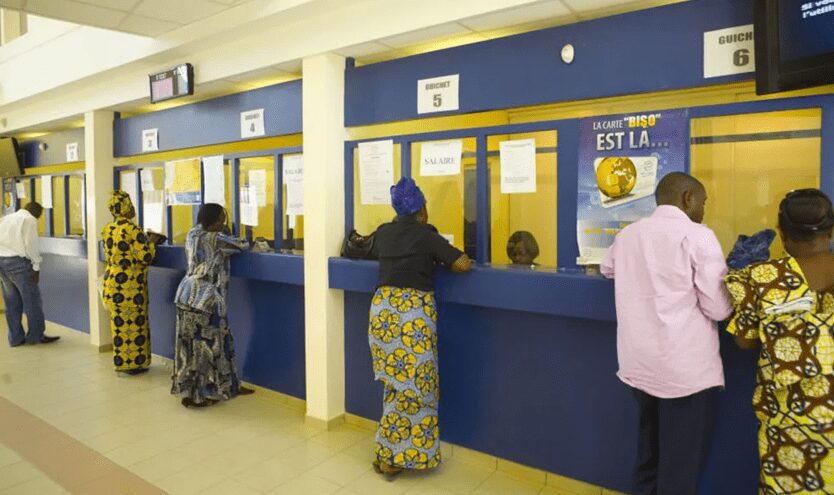
Banks in Africa generally and in South Africa especially weathered the perfect storm caused by the COVID-19 pandemic. This is…
AfCFTA will be a game changer for Africa, but its success depends on certain enablers being present. The first and most obvious impediment and an obstacle to the initiative will be mustering the political will of the signatories to implement the necessary reforms to enable its success. This may not always be politically feasible or possible.
The less obvious enablers and the financial institutions on the African continent. Their presence and activities have a direct and strong bearing on the success of AfCFTA. One of the foremost bankers on the African continent, Sim Tshabalala, the chief executive of the continent’s largest banking institution by assets, is fond of saying that banking is a derived business. This means that banks butter their bread from the activities of economic agents.
If AfCFTA is to succeed in its quest to merge the various comparative advantages of the countries that constitute Africa it will need champion banks to support the intra and intercontinental trade activity from there being a single market and all participants, both local and foreign looking to make money. Africa will need champion banks to facilitate the flow of capital to worthwhile projects and ensure that the capital deployed into various activities earns the best returns for its providers.
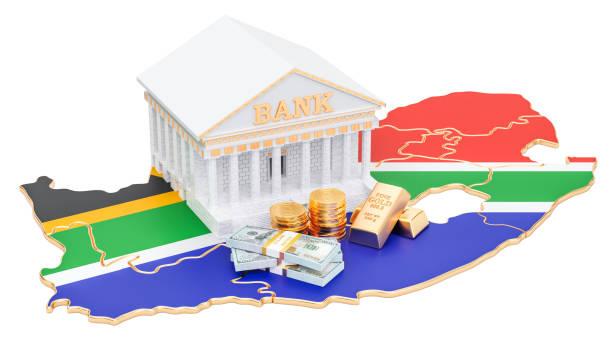
Banking industry in South Africa staged a strong come back in 2021 in report by PWC. Banks enjoyed supportive credit…
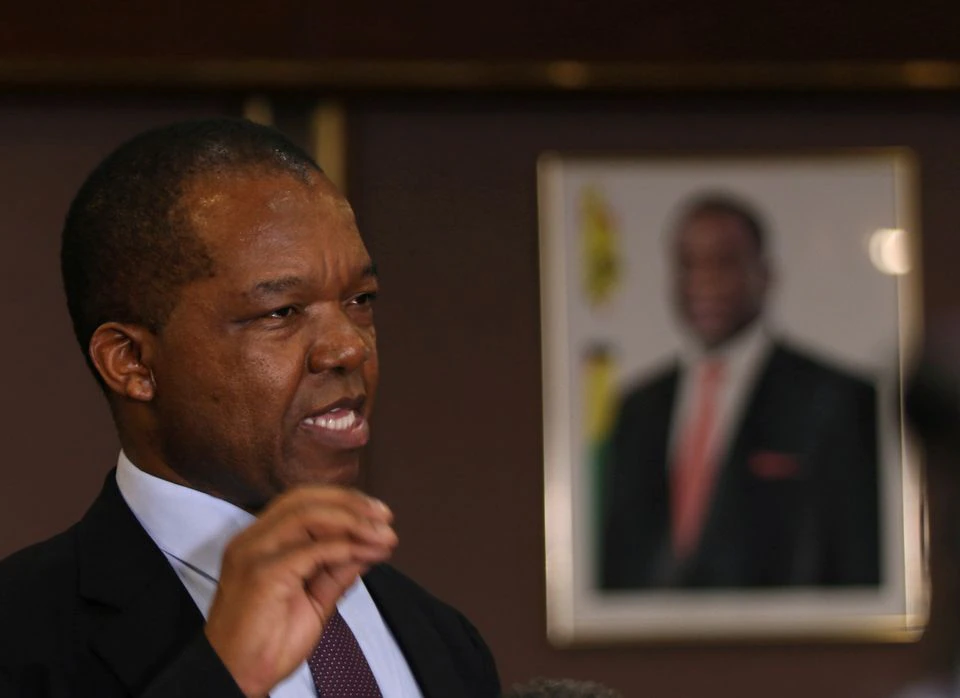
The president announced in a May 7 televised speech that banks had been banned from lending in a bid to stem the precipitous decline of the local currency inter alia increasing capital holding tax, banning third party transactions on the local bourse, and increasing Intermediated Money Transfer Tax (IMTT).
The move came as the local currency had been depreciated against the United States dollar. This is amid high demand for the greenback which is seen as a store of value.
An executive at an agro-processing firm, name with-held, told NewZimbabwe that his company can’t borrow what it needs to pay 500 farmers for the soy and sugar beans. It contracted them to grow, or fund the purchase of inputs such as fertilizer for the next season’s crop.