

Trending
- African governments drive new forest finance progress as global report warns funding globally must scale faster
- Fine Spinners eyes Kenya’s Agoa-backed apparel supply chain with $5m plant
- Why young Kenyan investors need to stop treating the stock market like a betting slip
- Tanzania tax reforms mandate VAT refunds to under 30 days
- In New York, world leaders unveil plan to overhaul global health architecture
- Minisend grows Kenya presence as official payment partner of Africa Blockchain Festival 2026
- UN resolution challenges world maps that make Africa look smaller
- Zimbabwe edges closer to arrears payment, debt restructuring and reset of ties with IMF


Browsing: Banking
A report published by Lexology on January 18, 2022, Zimbabwe’s economy is largely driven by the mining, agriculture, and tourism sectors. However, because of Zimbabwe’s foreign currency shortages, there is a significant focus on export-oriented and foreign currency-generating activities.
This allows investors, businesses, and the government to retain value and meet the country’s forex needs. Zimbabwe’s main exports are minerals, agricultural produce, and soft commodities. She also has large reserves of chromite, coal, gold, and iron ore, among others. The country is also one of the world’s largest growers of tobacco.
According to research by Mordor Intelligence, Zimbabwe is a signatory of several bilateral and international agreements (MIGA, OPIC, ICSID, and UNCITRAL) that protect the investments of the companies in Zimbabwe. Zimbabwe has cheap educated, and competitive labour, well-developed infrastructure, and easy access to regional and global markets through its membership in AU, COMESA, SADC, COPAC, and CISSA. Zimbabwe offers free movement of investment capital and attractive investment incentives. Zimbabwe allows for 100% Foreign Direct Investment in almost all sectors barring a few.
Successful turnaround strategies are not new to Zimbabwe’s largest universal banking concern. CBZ has gone the distance from being characterized…
NMB is also listed on the Dar es Salaam Stock Exchange (DSE) and has been tracking rather promising records. According to DSE daily market highlights, NMB’s closing price stood at TShs. 2,340 and the previous closing price was TShs. 2,340.
The bank’s largest shareholders are strategic partners Arise B.V with a 34.9 per cent shareholding and the government of Tanzania with a 31.8 per cent shareholding.
According to NMB, alongside its financial achievement, “the Bank has also received several awards, highlighting the growth trajectory of the institution. In 2020, NMB’s achievements led to internationally acclaimed recognition as the Safest Bank in Tanzania by Global Finance magazine, and being named Best Bank in Tanzania for 8th consecutive time by Euromoney magazine,”

Central Bank of Kenya (CBK) data shows fixed deposit accounts gained Sh64.8 billion in the quarter ending June, 2021. While…

Barely three months after opening its doors in, NCBA Bank Tanzania Limited has launched two new branches in Mwanza. The…

TLG Capital (TLG) today announced it has purchased 49% of Opportunity Bank Uganda Ltd (OBUL), a tier 1 financial institution…

Just before the onset of Covid-19, banks in many parts of Africa were pushing for adoption of online-based financial solutions…

Uganda’s parliament has tabled a motion to cut the powers of the Central Bank’s Governor and in effect the powers…
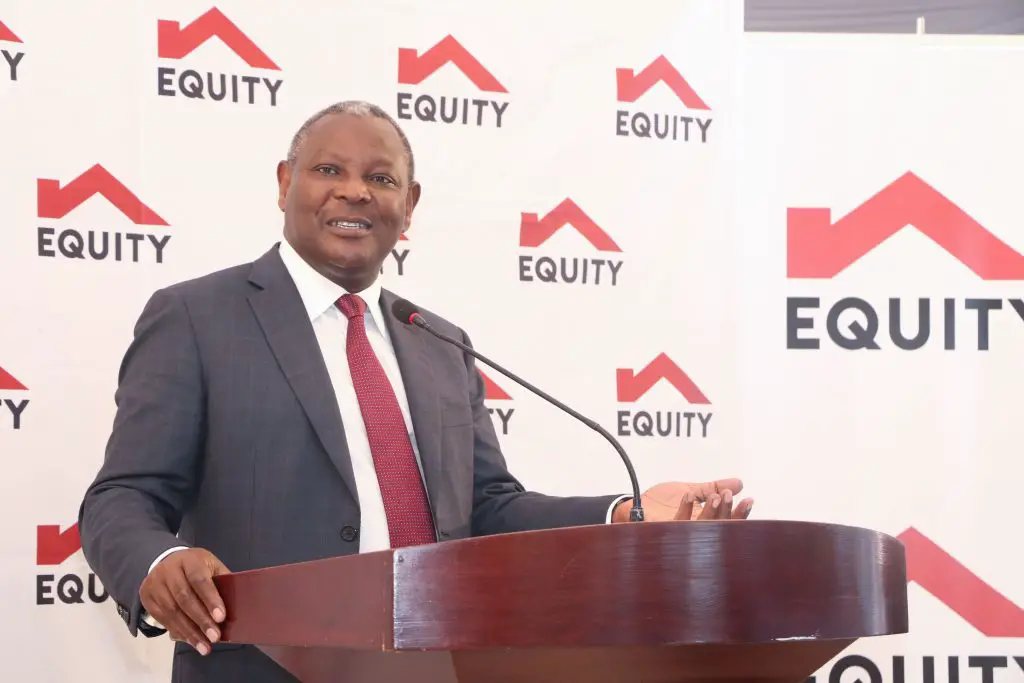
Kenya’s five top banks released stable Quarter 1, 2020 financial results with pessimism of their future earnings heavily affected by…

With the growth of online banking and online currencies in Africa, the industry of financial technology has seen a growth…