


Trending
- VALR sets sights on East Africa as blockchain moves deeper into Africa’s financial system
- The cost of the data gap: Why Kenya’s lenders can’t afford to miss the full picture
- Tanzania takes EAC labour migration helm as regional rules face overhaul
- 2026 is turning out as a defining year in geopolitics, but for whom?
- Saudi Arabia and Tanzania pledge to deepen bilateral trade ties
- Tanzania rewrites its digital investment playbook
- Ethical sourcing boosting demand for Tanzania organic cotton
- DRC deploys 70,000 Ebola vaccine doses in high-stakes trial against deadly Bundibugyo strain


Browsing: Central Bank
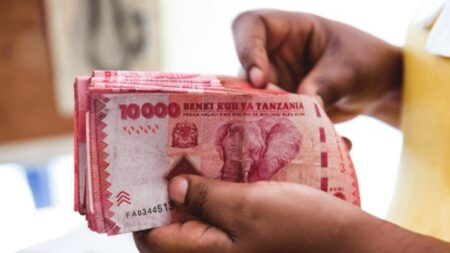
Inflation in Tanzania has gone down to 3%, lower than Kenya’s 4.3% and Uganda’s 4% posted in July. While economic…
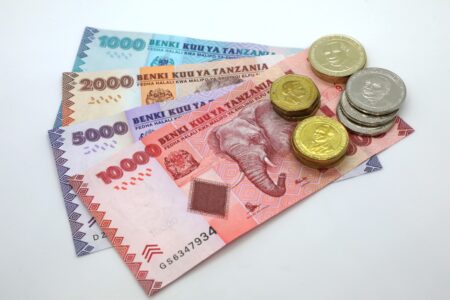
The Monetary Policy Committee (MPC) which most recently held its ordinary meeting on 22nd May 2023 has approved the toughened stance. The MPC resolved that; “Given the domestic and global economic conditions, the Bank is to sustain the implementation of less accommodative monetary policy in May and June 2023,” in other words, Tanzanians should tighten their belts. Some more. This policy stance will ensure that inflation in Tanzania remains within the target of 5.4 percent in the remainder of 2022/23.”
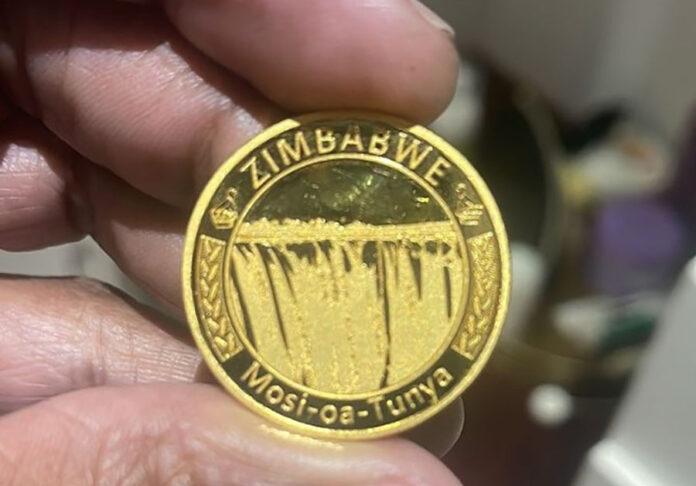
The new coins will be available for sale from 25 July in local currency, US dollars, and other foreign currencies at a price based on the prevailing international price of gold and the cost of production.
“The gold coins will be available for sale to the public from 25 July 2022 in both local currency (ZW$) and United States Dollars (US$) (and other foreign currencies) at a price based on the prevailing international price of gold and the cost of production. The coins will be sold through the Bank and its subsidiaries, Fidelity Gold Refinery (Private) Limited and Aurex (Private) Limited, local banks, and selected international banking partners. Entities selling the coins shall be required to apply to Know Your Customer (KYC) principles,” read the statement.
Aurex Private, a subsidiary of the central bank, is involved in diamond cutting and polishing over and above the manufacturing of jewellery.

Gold exports accounted for 43 per cent of goods exported by the year ending September 2021 The Tanzanian shilling is…
As the world and the East African region continue to recover from different kinds of economic shocks triggered by Covid-19, inflation in Tanzania has also taken different turns. According to the review, in August 2021, twelve-month inflation remained at 3.8 per cent, which is noted to be the same, as the last month.
On the other side of the fence, the review showed that core inflation—of which its index calls of the largest share in consumer price index (CPI), rose to 4.5 per cent in August 2021 from 4.1 per cent in July 2021, this is attributed to the increase in transport costs, “reflecting an upward shift in fuel prices”.
Things seemed to work better in food inflation, whereby annual food inflation—excluding alcoholic beverages, slimmed down to 3.6 per cent from 5.1 per cent, the review argues that this is due to a decrease in prices of maize and maize flour, meat, vegetable and beans.
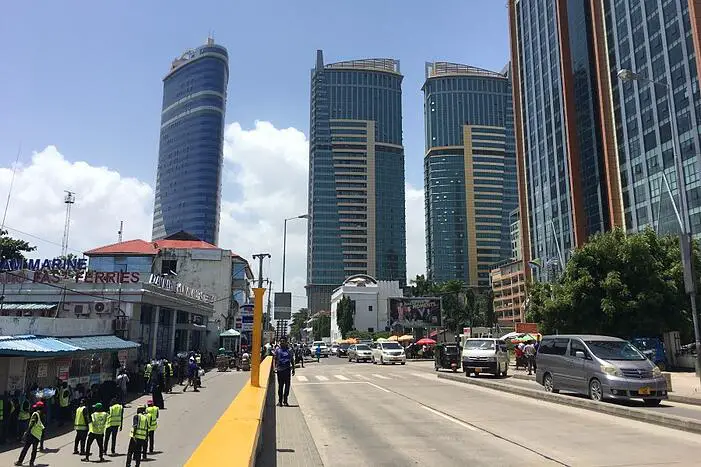
The central bank of Tanzania (BoT) has painted the state of the economy on a different canvas. BoT’s economic bulletin for the quarter ending June…
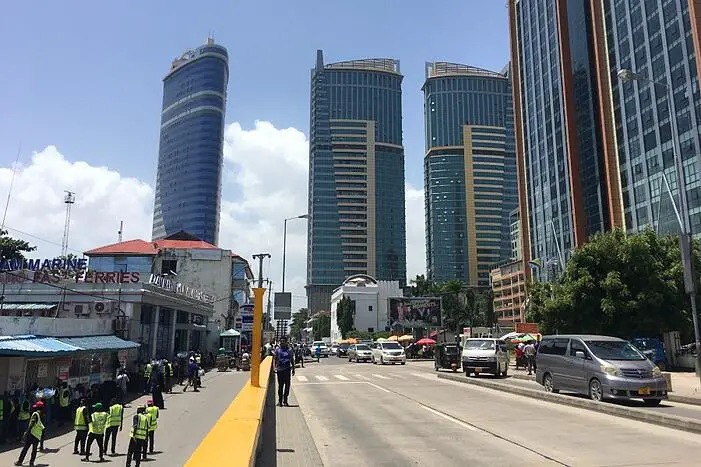
The Central Bank of Tanzania (BOT) published the monthly economic review on June 2, 2021, highlighting key economic performance in…
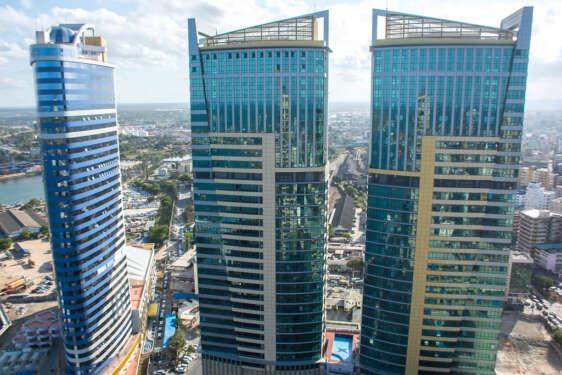
The central bank of Tanzania released the monthly economic review for May 2021 and it has reviewed different sections of…
Tanzania economy is projected to grow at 5.6 per cent, the central bank of Tanzania (BoT) revealed during its May…
The central bank of Tanzania (BoT) releases the April 2021 monthly economic review and it depicted the economy to fair…