


Trending
- Africa’s Green Economy Summit 2026 readies pipeline of investment-ready green ventures
- East Africa banks on youth-led innovation to transform food systems sector
- The Washington Accords and Rwanda DRC Peace Deal
- Binance Junior, a crypto savings account targeting children and teens debuts in Africa
- African Union Agenda 2063 and the Conflicts Threatening “The Africa We Want”
- New HIV prevention drug is out — can ravaged African nations afford to miss it?
- From banking to supply chains, here’s how blockchain is powering lives across Africa
- Modern railways system sparks fresh drive in Tanzania’s economic ambitions


Browsing: China
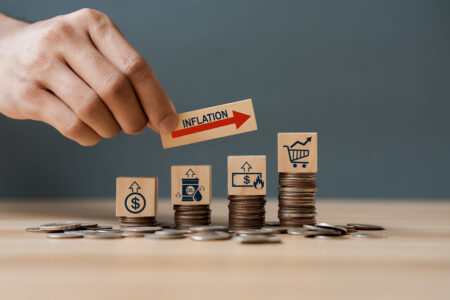
Tanzania inflation hits five year high Zanzibar bans export of food commodoties ahead of Holy Month China reopens market, expected…

The change in patterns of trade triggered by these two major events is now forcing the MNCs to go back…

The Central Bank of Kenya (CBK) has retained the base lending rate in the country at 8.75 per cent, citing…
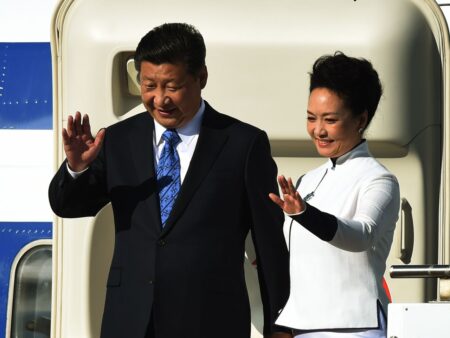
China reopening after lifting restrictions under the zero-Covid-policy 2023 to be a tough recovery year for Beijing President Xi Jinping…
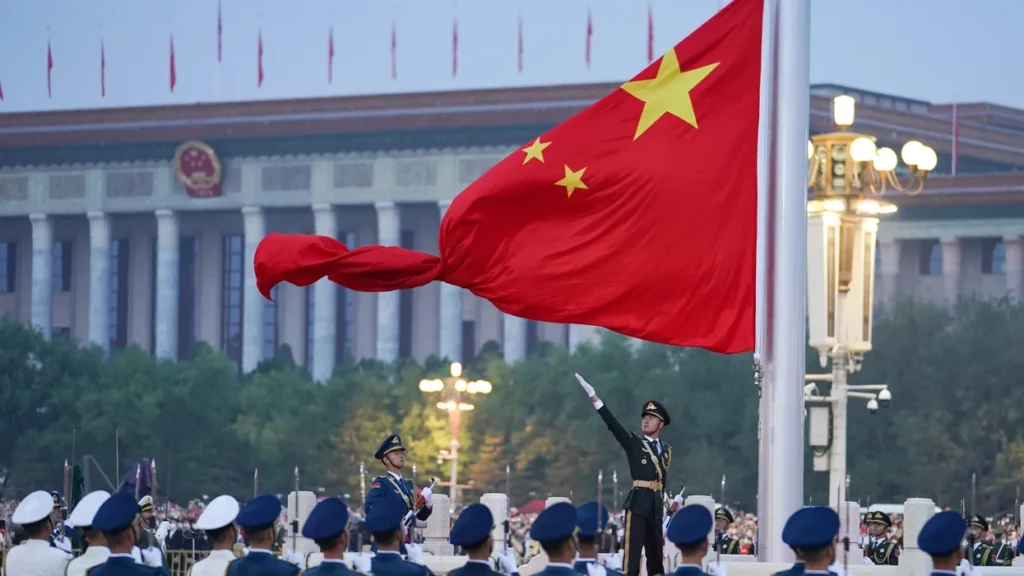
Xi Jinping has elevated the China-Africa friendship to its most significant level since Mao Zedong’s reign. With Xi getting a third five-year term and perhaps staying in power even longer, those relations will strengthen further. Thus, Africa will remain pivotal in China’s plans for global economic control.
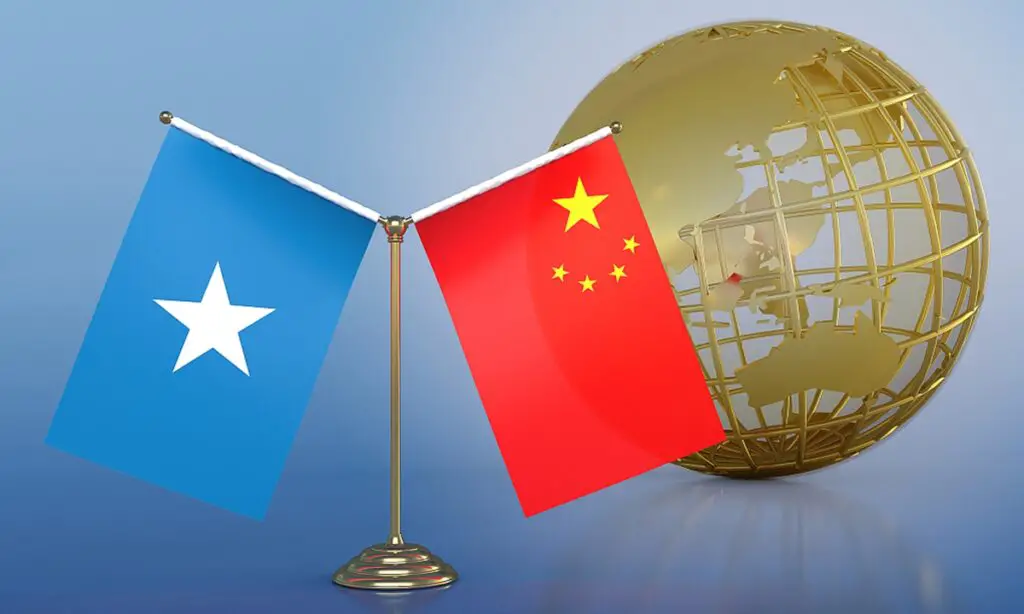
The diplomatic Somalia-China relations have played a crucial role in the Chinese government’s development of over 80 infrastructure projects in Somalia, including the national stadium, Banadir hospital, and north-south highway.
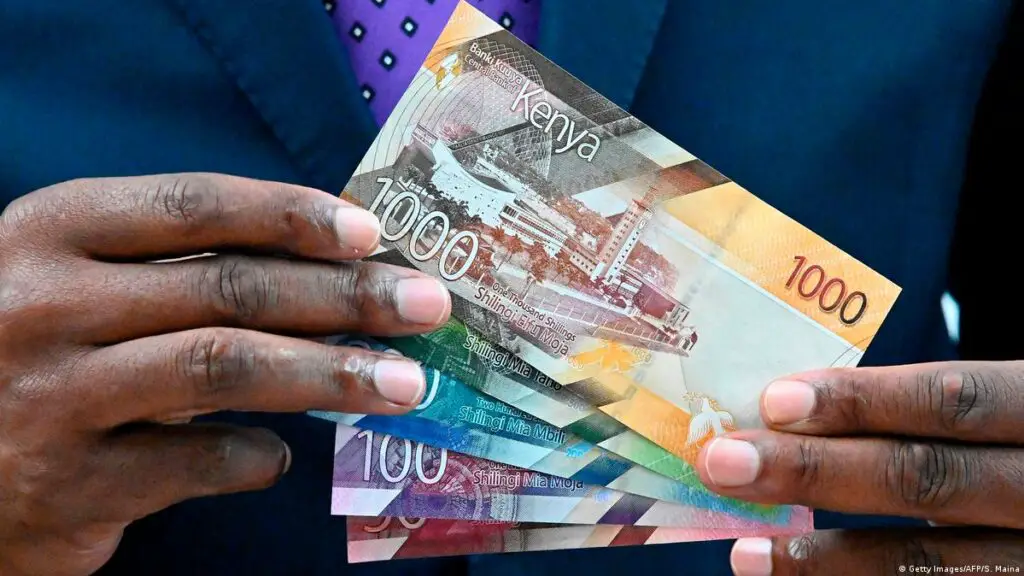
Kenya is one of 23 African nations at risk of debt distress. The major causes of debt distress include poor fiscal management and macroeconomic frameworks to sustain growth, a shift in debt structure toward more costly financing sources, and excessive government expenditure levels.
Kenya’s debt was at about 70 per cent of GDP in 2021, up from 50 per cent in 2015. China is Kenya’s biggest bilateral creditor. It accounts for 67 per cent of the bilateral debt (primarily for infrastructure projects), an increase from 13 per cent in 2011.
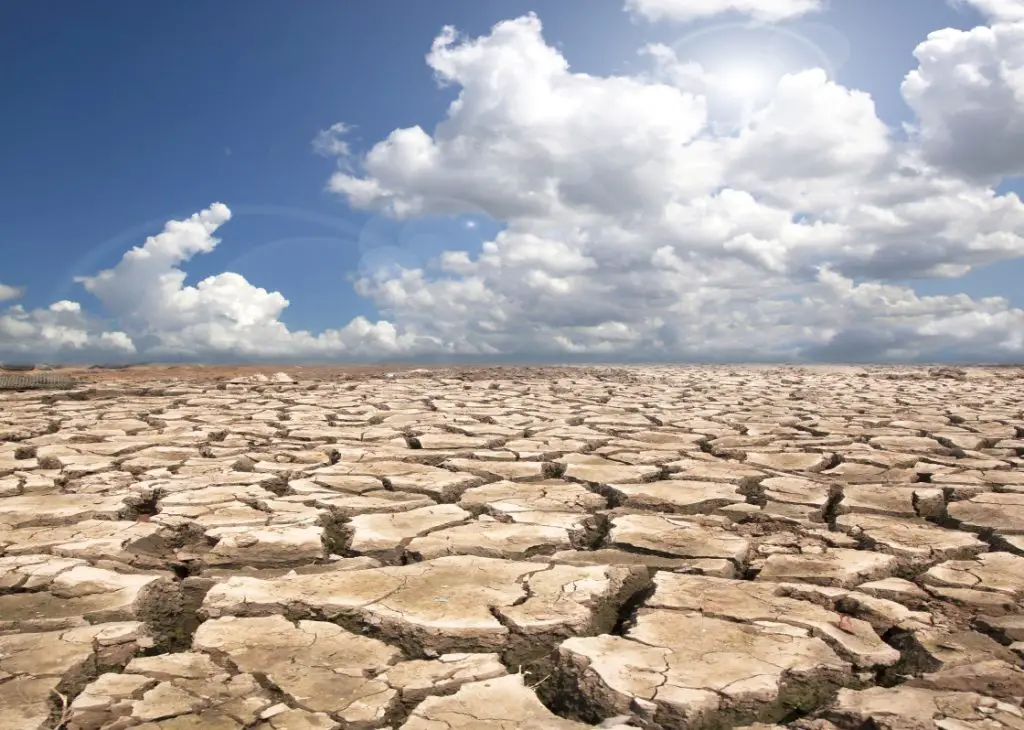
Policymakers must advocate for pooling resources to support the most affected, particularly in Africa. They can financially support and share land restoration and climate adaptation technologies. Collaborations to expand inclusion that can attain a new paradigm in climate change mitigation.
The leaders of the major polluting nations and donor countries, as well as the leaders of African nations—must commit to implementing policies, allocating resources, and taking the necessary actions to address the deteriorating climate situations globally.
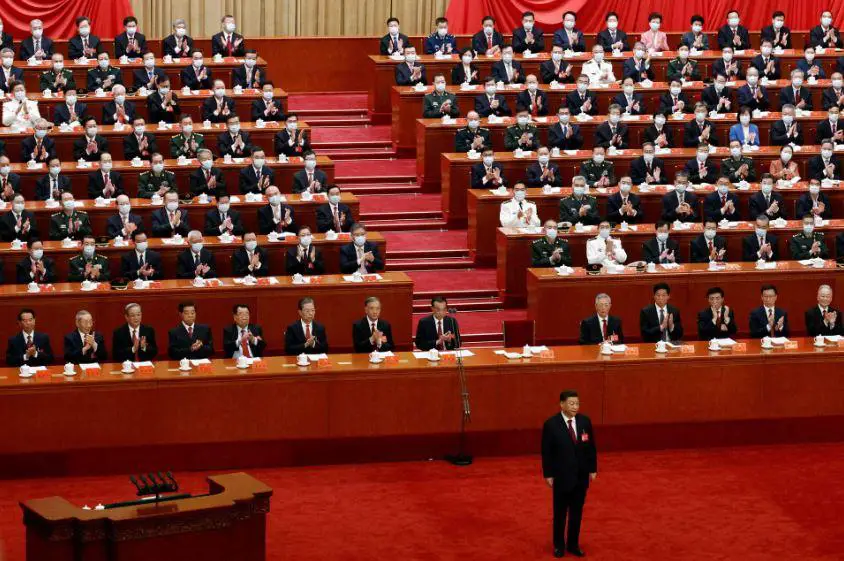
The signal coming from the CCP congress is that the world should not expect a change in policy against Covid anytime soon despite its important ramifications for the global economy. On the domestic front, the economy of China has not been doing well. Ever since its economy started to slow down, unemployment has been on the uptick, with at least 20% of young people in China said to be unemployed.
China is also in the throes of a housing crisis, with several large property developers on the brink of financial ruin and or bankruptcy. The case of the Evergrande Group is the most prominent. The property company rose to prominence by developing massive housing projects fueled by the availability of cheap credit from the government first and from private lenders.
The urbanization of China through the migration of citizens to urban areas drove demand for apartments. Developers eager to satisfy this seemingly unending demand decided to borrow the money to build skyscrapers.
The music for the property developers stopped when there was a slowdown in the number of people migrating to urban areas. This affected their revenues to the extent that they began to default on their loans en masse. The problems in the housing markets became systemic in the sense that the credit used to finance the development of housing had come from overseas investors and lenders.
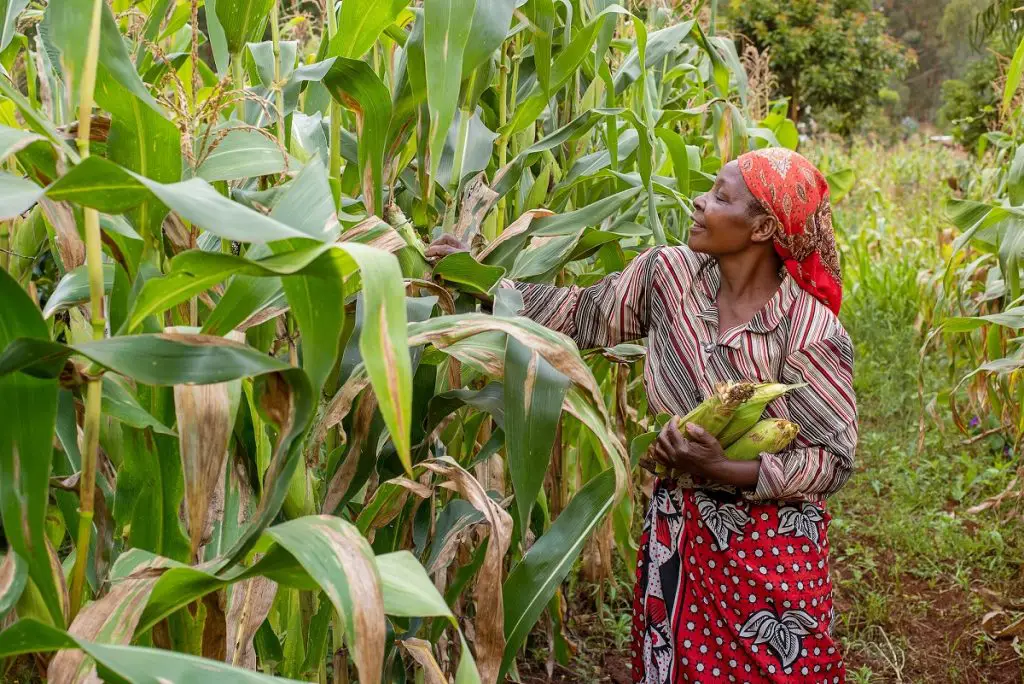
The rising commodity prices, surging inflationary pressures, and the contracting global financial situation have risked African trade and production capabilities. Moreover, the rising threat of sovereign defaults poses a severe risk to the growth of African trade. Thus, African trade prospects remain unclear, considering the challenging global economic scenario.
The Covid-19, energy and food shortages have hit with the countries having minimal or no policy space to respond. As a result, African countries have fallen into a real risk of debt distress and even possibilities for sovereign debt default.