

Trending
- Africa’s Green Economy Summit 2026 readies pipeline of investment-ready green ventures
- East Africa banks on youth-led innovation to transform food systems sector
- The Washington Accords and Rwanda DRC Peace Deal
- Binance Junior, a crypto savings account targeting children and teens debuts in Africa
- African Union Agenda 2063 and the Conflicts Threatening “The Africa We Want”
- New HIV prevention drug is out — can ravaged African nations afford to miss it?
- From banking to supply chains, here’s how blockchain is powering lives across Africa
- Modern railways system sparks fresh drive in Tanzania’s economic ambitions


Browsing: China
Russia war on Ukraine worsening inflation in Europe US offers list of commitments to Asia in friend-shoring deal Africa needs to…
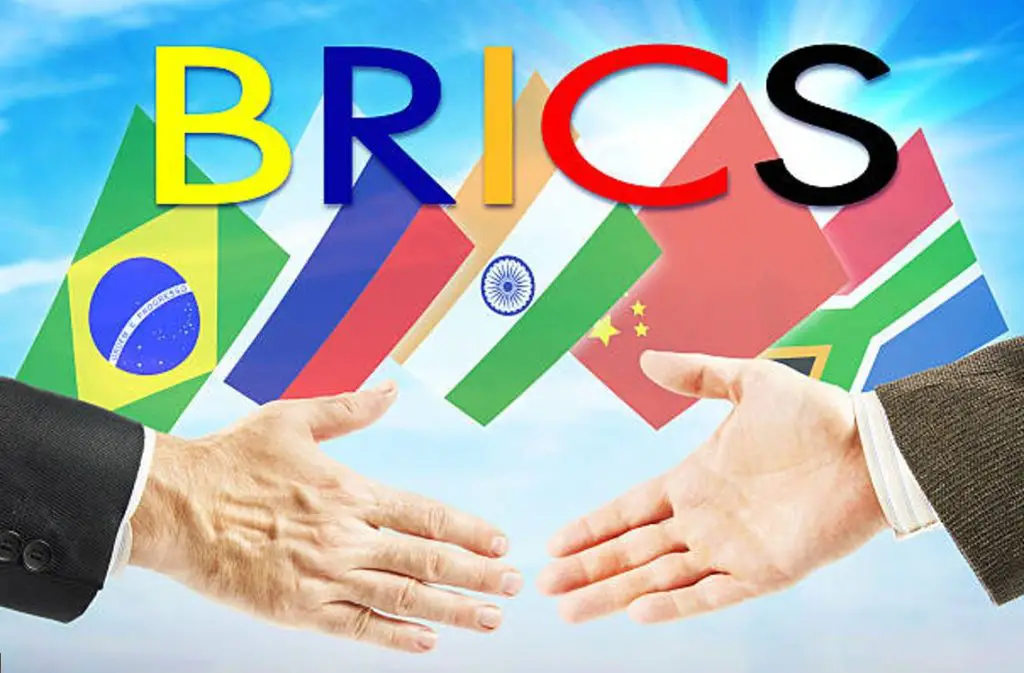
China presently has the largest sum of foreign exchange reserves in the world. When its over US$ 3 trillion in reserves is added to the reserves of the other BRICS member states the questions as to why they cannot issue their own currency start to grow louder.
Talks of a common currency fizzled out as more pressing national and international matters eclipsed the idea. This year 2022 has seen renewed calls for a common reserve currency emerge once again. This time Russia is leading the call for the creation of a reserve currency that will be an alternative to the United States dollar as a mechanism for the settlement of international transactions.
Russia’s motive for making such a call is obvious, the country has been at war with Ukraine since February 2022. This aggression against Ukraine has earned Russia some of the most stringent economic sanctions in history. What has been the greatest pain point is that Russia has lost access to at least half of its foreign exchange reserves since the beginning of its war with Ukraine.
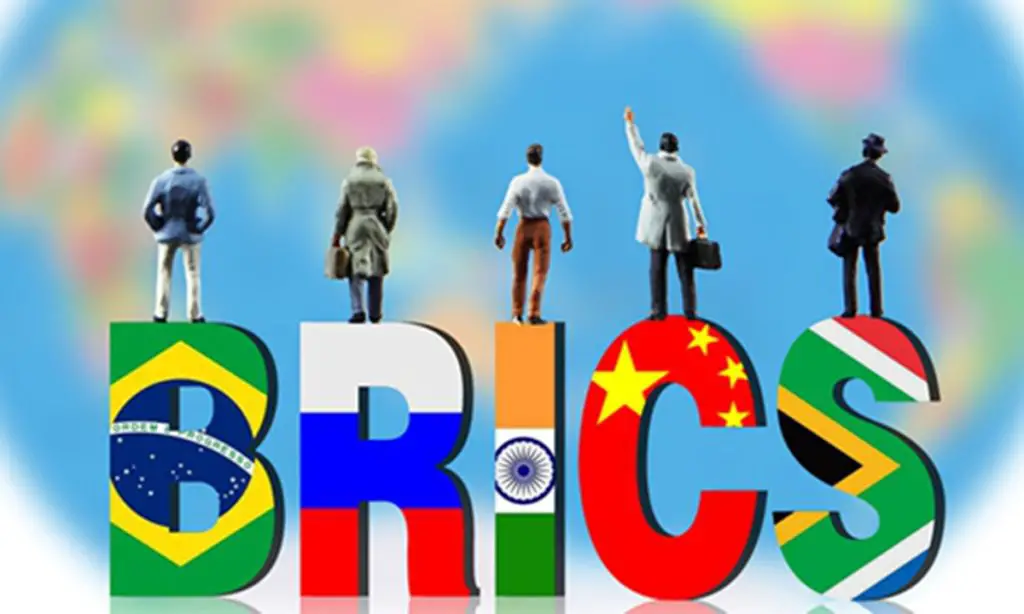
The current large-scale transition of the global economy, principally triggered by the current conflict between Ukraine and Russia as well as the standoff between China and the United States, creates a multipolar world map with new centres of power.
Brazil, Russia, India, China, and South Africa, also known as the BRICS nations, have enhanced industrial and financial might and are pushing for a seat at the global new power axis table. These nations are essential participants in international markets for products, services, and money, having a considerable, sometimes decisive, effect on how the global economy operates.
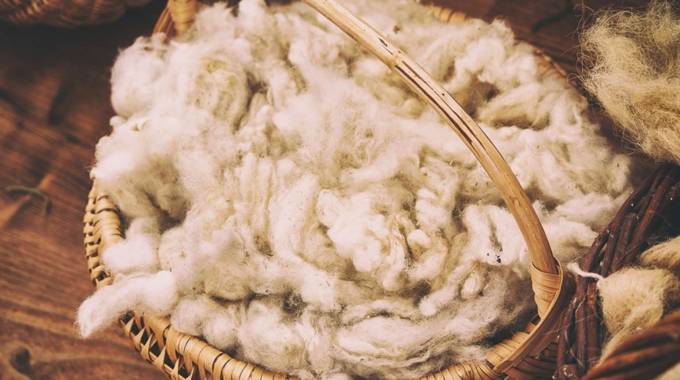
In 2020, Wool was the world’s 653rd most traded product, with a total trade of US$2.5 billion. Between 2019 and 2020, Wool exports decreased by -31.4 per cent, from US$3.65 billion to US$2.5 billion. Trade in Wool represents 0.015 per cent of total world trade.
Wool is a part of fine or coarse animal hair, horsehair yarn, and woven fabric. They include greasy shorn wool, not carded or combed, Degreased shorn wool, not carded, combed, or carbonize, Carbonized wool, not carded or combed, Degreased wool, not carded, combed, or carbonized, and Greasy wool (other than shorn) not carded or combed. In 2020 the top exporters of Wool were Australia, South Africa, New Zealand, the United Kingdom, and Uruguay.
The fastest growing export markets for Wool of South Africa between 2019 and 2020 were China, Eswatini, and Uruguay. In April 2022, South Africa’s Wool exports accounted for up to ZAR205 million, and imports accounted for up to ZAR4.5 million, resulting in a positive trade balance of ZAR200 million. Between April 2021 and April 2022, South Africa’s Wool exports decreased by ZAR-96.2 million (-32 per cent) from ZAR301 million to ZAR205 million, while imports increased by ZAR1.76 million (64 per cent) from ZAR2.75 million to ZAR4.5 million according to data from OEC.World.
The promise of industrialization in East Africa has been on an exponential growth trajectory, remarkably transforming the economies of all…
China’s GDP is central to the global economy and especially in Africa The Asian country’s economy is integrated with nearly…
The widespread adoption of information and communication technology (ICT) by manufacturing companies the world-over is driving competition and permanently disrupting…
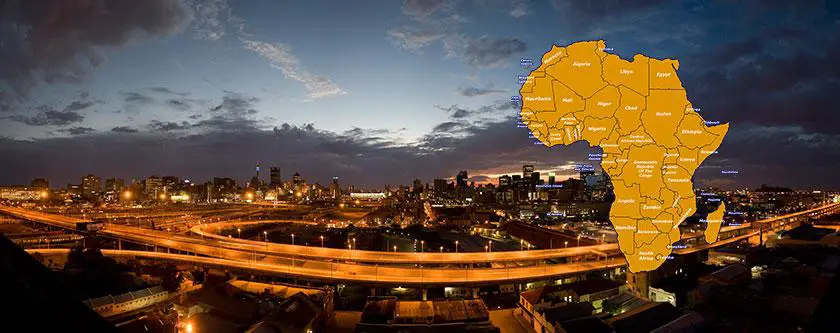
In as far as global trade is concerned Africa has a central role to play. So critical is this role that should Africa be absent from the global trade equation the global economy simply will not prosper. Africa’s mining sector offers in 2022 and going forward a real opportunity for expansion.
Africa’s economic transformation will come from its ability to leverage the comparative advantage position its natural resources offer. Africa needs to become the seventh corridor of the Belt & Road Initiative (BRI). China will be able to enhance its dominance in the global economy if it does more to invest in and develop economic ties with Africa.
Currently the BRI in as far as Africa is concerned restricts the role of Africa to providing access to raw materials.
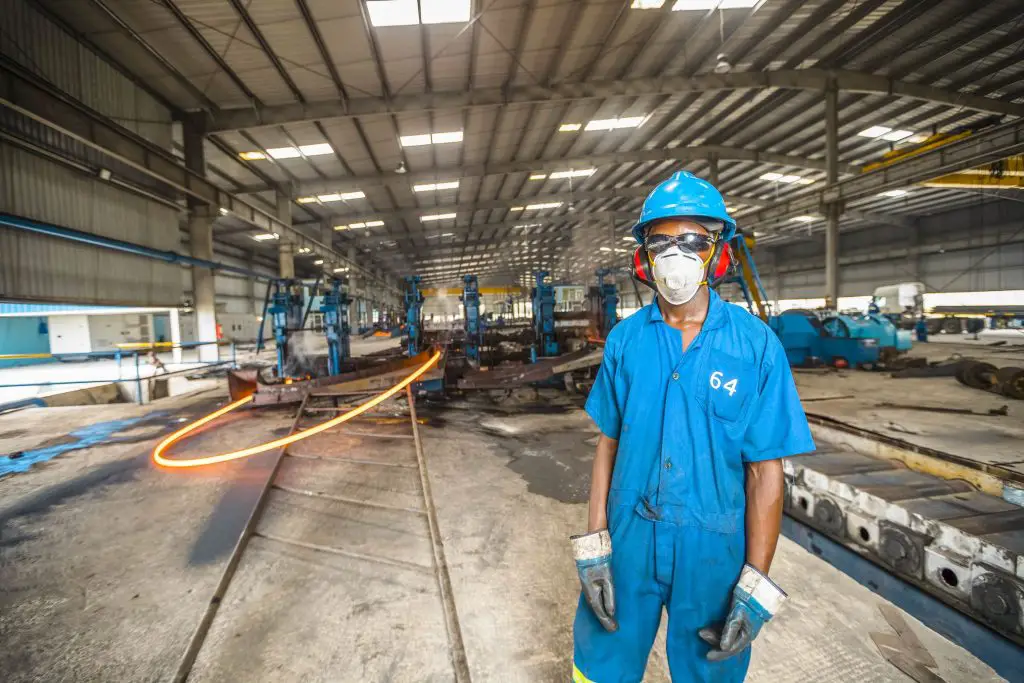
China is one of Tanzania’s biggest trade partner Tanzania’s industrial economy has been growing over the past decade Tanzania has…
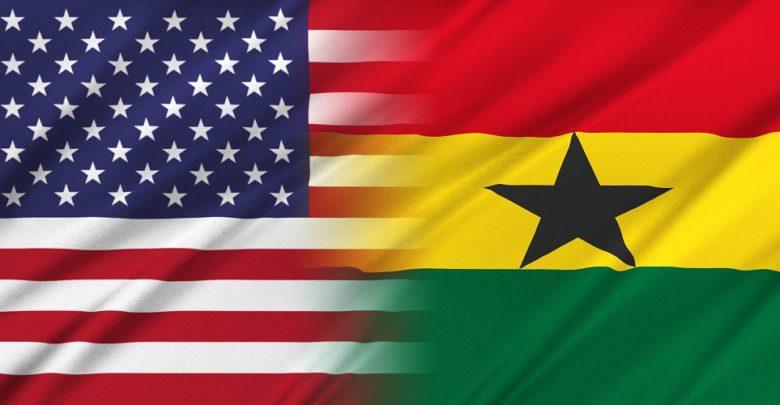
Many exports from Ghana to the US benefit from duty-free tariff preferences under the American Growth and Opportunity Act (AGOA) and the Generalized System of Preferences (GSP) programme. Exports from Ghana to the US that have enjoyed AGOA preferences include yams, apparel and cocoa (beans, powder or paste).
Ghana has exported US$131 million worth of yams to the US since 2012, avoiding a standard import duty of 6.4 per cent under AGOA. Cocoa exported to the US has amounted to US$2.5 billion over the last two decades.
Miss Rosa Whitaker, the President and the CEO of the Whitaker Group (TWG), is significant to the success of AGOA in Africa, facilitating the export of over 9,000 agricultural and manufactured goods to the United States.
Whitaker advocates for African countries to research what the US market is demanding and be alert to new opportunities. She pointed out the success of Ghana’s cocoa in the United States, saying that the processed cocoa powder manufactured at the US$100 million Cargill plant is now being offered to global food manufacturers under a made-in-Ghana label.