

Trending
- AI’s Dual Capacity and a Strategic Opportunity for African Peace and Security
- How African economies dealt with the 2025 debt maturity wall
- Africa’s Green Economy Summit 2026 readies pipeline of investment-ready green ventures
- East Africa banks on youth-led innovation to transform food systems sector
- The Washington Accords and Rwanda DRC Peace Deal
- Binance Junior, a crypto savings account targeting children and teens debuts in Africa
- African Union Agenda 2063 and the Conflicts Threatening “The Africa We Want”
- New HIV prevention drug is out — can ravaged African nations afford to miss it?


Browsing: investment
Cabo Verde is one of those countries one hardly gets to hear about. The country is an archipelago of 10…
Enhancing financial literacy is only one of the numerous ways Africa’s youth may be prepared for the future. Stakeholders must simplify financial literacy education and make it practical. Without simplified and functional financial literacy, one could fall victim to the prevailing financial challenges in a highly changing world marked by technological advancements. Improving financial literacy in Africa’s youth will help improve financial inclusion.
In times of economic volatility like during a recession cash king. Cash provides investors with a buffer to absorb the shocks that may comes from a bad economy but also the ability to take full advantage of the opportunities that are sure to arise as investors run for the doors.
Shrewd investors who realize this will always make cash or dry powder provisions in their investment portfolios. They do this by keeping cash in their brokerage or bank accounts or investing in near-cash securities like money market accounts and certificates of deposits.
Cash is important because in a recession good quality securities and investments can be bought for knockdown or bargain basement prices. This can only be realized if an investor to begin with did not lose their nerve at the prospect of a recession and secondly decided to keep a significant portion of their portfolio in cash.
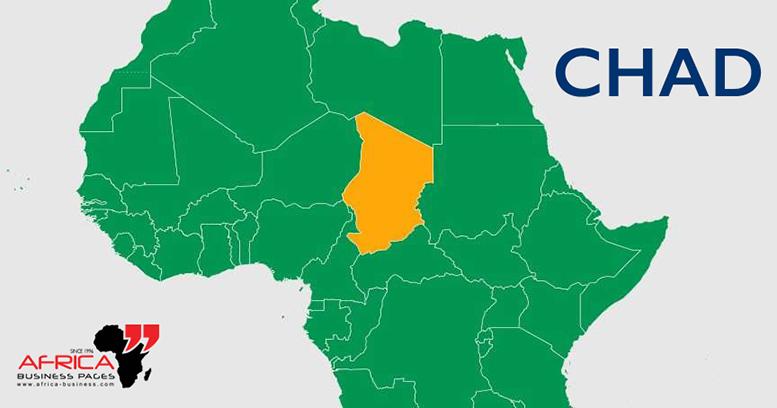
The major petroleum groups had long been reluctant to become involved in Chadian oil fields. The fields in the central/western and northern parts of the country were located in areas of chronic insecurity.
Then, an unprecedented arrangement was made. The World Bank agreed to finance using public funds. The pipeline would later allow the private operators Exxon, Chevron, and Petronas to transport their crude oil to the Cameroonian port of Kribi. This would enable shipping to European or American refineries, where the oil could be offered on the market at prices that the cost of the transport infrastructure would not burden.
Chad faces military challenges on most of its borders which should be factored as a risk. In the west, in the region of Lake Chad, the army has been fighting the Nigerian Islamist group Boko Haram since 2015. On the border with Sudan, Eastern Chad has seen conflicts between different ethnic groups. Northern Chad is also unstable, sparsely populated, and difficult to control. Several Chadian rebel groups have set up their base in neighbouring southern Libya. Despite these problems, Chad’s armed forces are considered by many analysts to be the most effective in the Sahel.
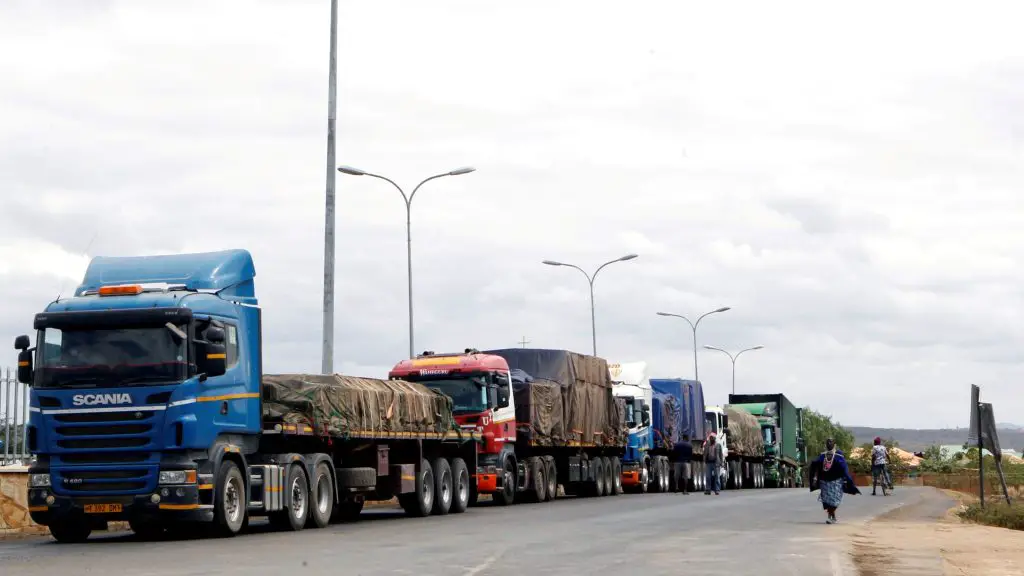
The difficulty of transferring commodities throughout Africa is not new to the continent. It is currently a key impediment to the AfCFTA’s prospects, especially in building regional industrial supply chain clusters. Africa’s massive infrastructure deficit has hindered regional trade and economic integration for decades, notably in transportation and supply chain fragmentation.
Some parts of the continent, specifically areas surrounding East African nations, do far better in cross-border movement and trade. However, most African countries fare poorly on metrics such as cross-border clearance processes. According to the World Bank’s Logistics Performance Index, the regions also struggle with trade quality, infrastructure, inconsistent tax regimes, and consignment trace and track techniques.
Digitalisation in Africa’s logistics industry will address some of these difficulties. Furthermore, the development of digital logistics startups has aided in the facilitation of connection, which is critical to the movement of commodities within the area and across borders.
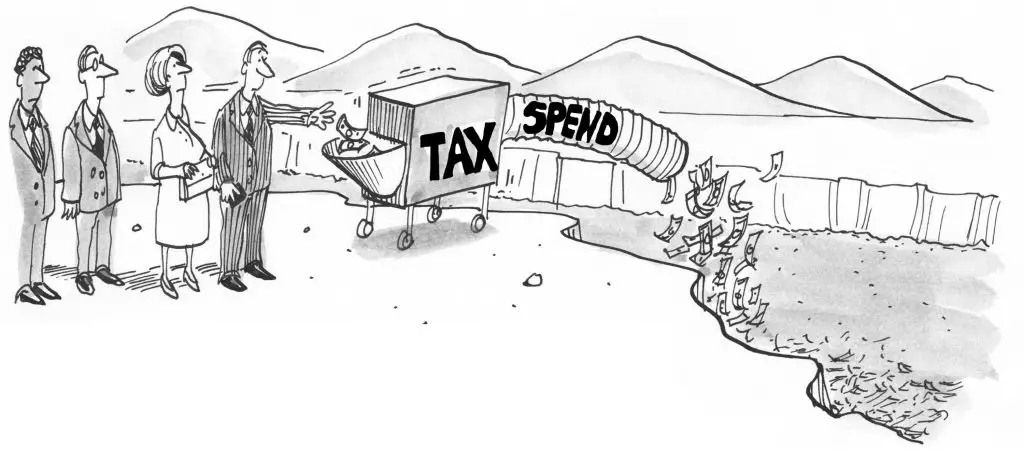
Countries must continue to work to mitigate their vulnerabilities over time. This involves minimizing balance-sheet misalignments, establishing money and foreign exchange markets, and lowering exchange rate passthrough by increasing monetary policy credibility.
However, in the short term—while vulnerabilities remain high—the use of extra instruments may assist relieve short-term policy trade-offs when certain shocks occur. In particular, foreign exchange intervention, macroprudential policy measures, and capital flow controls may help increase monetary and fiscal policy autonomy, promote financial and price stability, and minimize output volatility if reserves are enough and these instruments are available.
Changes in monetary policy may have a substantial influence on all asset classes. However, by understanding the subtleties of monetary policy, investors may position their portfolios to profit from policy shifts and increase returns.

Kenya has not been left behind in the growth and development of technology. East Africa’s richest economy stands tall in the development of digital technology. However, a lot needs to be done, and the new administration has enough space to execute its plan regarding the advancement of the Kenyan digital space.

According to the EIU graphic, much of the external debt stock of African countries consists of public medium- and long-term borrowings. This form of borrowing has been on the rise since 2000.
Private medium- and long-term debt stock in Africa has also been on the increase but not at the same scale and magnitude as the public debt. In short, governments, through their finance ministries, have been on a borrowing binge since 2000, whereas the private sector has marginally increased its borrowings in United States-denominated debt.
The increased levels of borrowing in hard currency badly expose governments to movements in interest rates and exchange rates. South Africa has the most external debt exposure of any country in Africa, followed by Egypt and Nigeria. With these facts in mind, it is no surprise to how much the Rand, the South African currency unit, has depreciated against the dollar.
McKinsey’s report notes that the wages of consumers are steadily being eroded. Wages in the largest economies reportedly flatlined; in other words, no significant change in their levels was recorded. Prior to the pandemic, the same wages were said to have increased, giving workers the upper hand in negotiations. The pandemic, however, drastically altered that state of affairs. Wages in developed markets post the pandemic are also related, but the advent of inflation has checked that growth and, in some instances, set the trend backwards.
In the United Kingdom, there have been reports of wages being lower year on year.
The culmination of these factors is that the outlook for global economic growth will be lower this year than last. McKinsey expects central banks to increase interest rates more assertively to deal with inflationary pressure. The risk of recession is becoming more and more prevalent.