

Trending
- AI’s Dual Capacity and a Strategic Opportunity for African Peace and Security
- How African economies dealt with the 2025 debt maturity wall
- Africa’s Green Economy Summit 2026 readies pipeline of investment-ready green ventures
- East Africa banks on youth-led innovation to transform food systems sector
- The Washington Accords and Rwanda DRC Peace Deal
- Binance Junior, a crypto savings account targeting children and teens debuts in Africa
- African Union Agenda 2063 and the Conflicts Threatening “The Africa We Want”
- New HIV prevention drug is out — can ravaged African nations afford to miss it?


Browsing: investment

Southern Africa, East and West Africa saw their flows of FDI rise in 2021. It was only in Central and North Africa that flows of foreign direct investment were flat or declined, respectively. Flows to North Africa fell by 5 per cent to $9.3 billion.
Egypt saw its FDI drop by 12% as large investments in exploration and production agreements in extractive industries were not repeated. Despite the decline, Egypt has the second highest flows of FDI in 2021 on the continent.
UNCTAD reports that it expects FDI flows to increase in North Africa owing to pledges of as much as US$ 22 billion to the region from Gulf states. In Egypt, according to the UNCTAD World Investment Report 2022 tripled green field projects of US$ 5.6 billion and real estate projects of US$ 1.5 billion.
In Morocco, FDI flows increased by 52% to US$ 2.2 billion. This was driven by a large international project finance deal announced in that country to finance the construction of a power line.

This is specifically in the case of South Africa, which has enjoyed the most benefit from the mining sector in the southern region. This benefit translated into further foreign direct investment flows of more than US$ 40 billion in 2021 alone, up from US$ 3 billion in 2020.
This is in contrast with Zimbabwe, which has been an investment pariah for the last two decades. Zimbabwe has not appropriated as much from its mining sector relative to South Africa, especially when viewed through the foreign direct investment lens. According to its central bank, the country garnered foreign direct investment proceeds of US$ 103 million for the year.
Regardless of the poor showing in FDI terms, the country has recorded a 33% rise in export earnings driven primarily by the mining industry to US$ 5.45 billion. This is to show that the mining sector is central to southern Africa’s economic development.
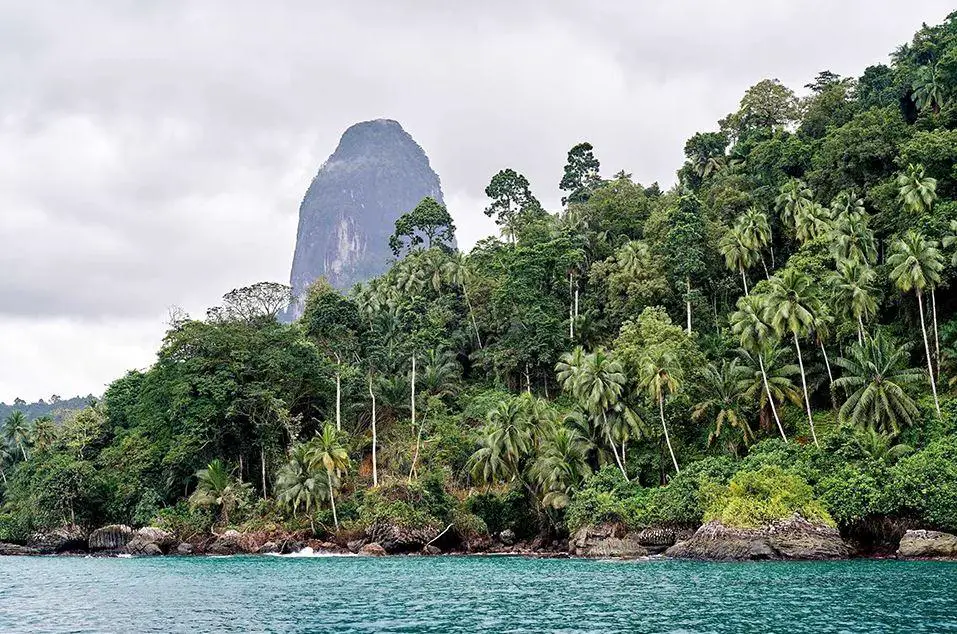
Economically the World Bank categorizes São Tomé and Príncipe as a lower middle-income state with what it calls a fragile economy.
This is not a mischaracterization as the country relies heavily on the tourism sector, making it much more susceptible to external and exogenous shocks. This assertion is confirmed by the African Development Bank, which reported in its economic outlook on São Tomé and Príncipe that the country’s economy shrank by an estimated 6.4% in 2020 after growing by 2.2% in 2018 and 1.3% in 2019.
Will Ghana’s stance on value addition resonate in Africa?
For the first time in a decade, the contraction in output is attributed to a sharp decline in tourism and service sectors, which were severely hurt by weak external and domestic demand and COVID–19 containment measures.
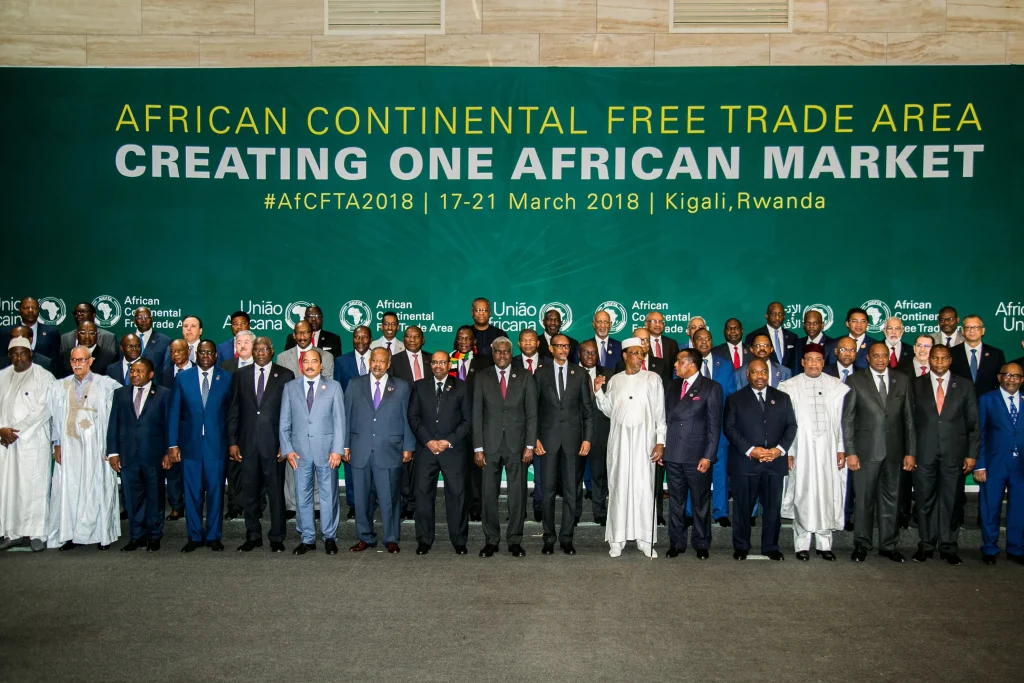
It is critical to strengthen a professional, independent supervision secretariat to make the AfCFTA agreement’s promise a reality. A strong secretariat can assist states in developing strong domestic institutions to administer, monitor, and enforce the AfCFTA. The moment for change has arrived. The conventional development models have failed Africa. The AfCFTA, on the other hand, signifies that Africa is open for business.

Interestingly, of the US$1.5 trillion in foreign direct investment recorded in 2021, 53% of that money was channelled towards developing economies. Africa made a very strong showing in terms of foreign direct investment in 2021.
According to the report, Africa attracted US$ 83 billion in foreign direct investment compared to the US$ 39 billion it achieved in 2020. Of the global investment flows that landed on African shores in 2021 US$ 41 billion went directly to South Africa.
Despite the positive developments that occurred in 2021 in foreign direct investment, the UNCTAD report concludes by stating that the growth and momentum in FDI flows in 2021 will not be sustainable given the adverse economic developments that have occurred in 2022.
UNCTAD expects these developments will either put downward pressure on the flow of FDI or flatten the curve.
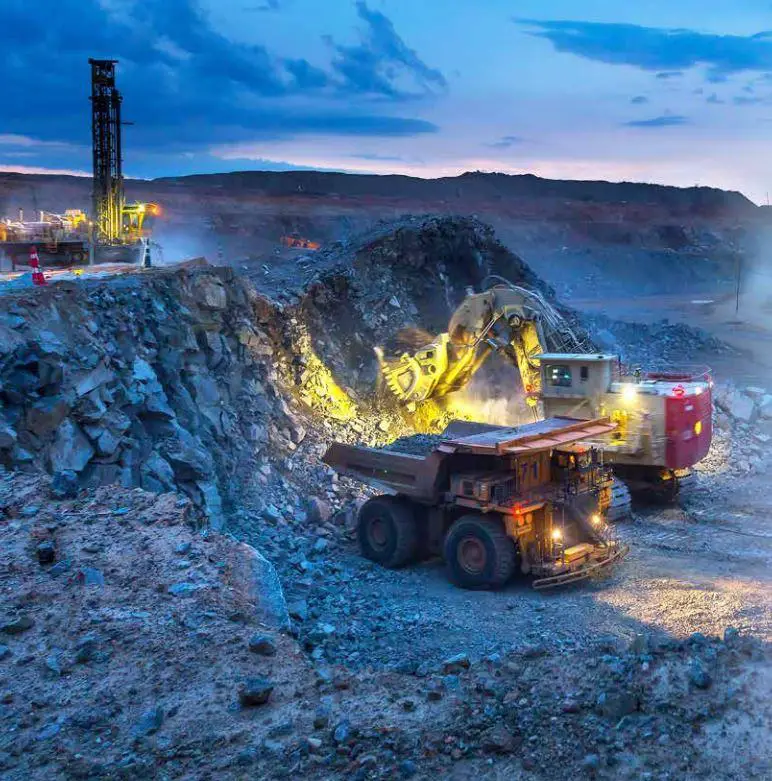
Caledonia’s chief executive, Mark Learmoth, speaking of the Bilboes Project called it a “premier gold development project in Zimbabwe and one of the best gold development projects in Africa”.
Through its acquisition strategy, Caledonia is steadily and certainly transforming itself from being a single mine operator to one where it produces a single commodity but operating various mines and mining projects. The company’s boss called this transaction a “transformational asset” and said it was the next step in Caledonia’s journey to becoming a multi-asset mid-tier gold producer.
Prior to its acquisition strategy Caledonia operated a single mine in Zimbabwe which is the Blanket Mine situated in Gwanda, in the Matabeleland South province of Zimbabwe. The company targeted producing 80,000 ounces of gold from its mine in 2022. The acquisition of the Bilboes project, considering that it will produce 168,000 ounces of gold annually over its 10-year life of mine, means that Caledonia will exceed its annual gold production target by at least 3 times!

On the backdrop of increasing global demand for cashew nuts, the government of Tanzania is now subsidizing agro-inputs for farmers…
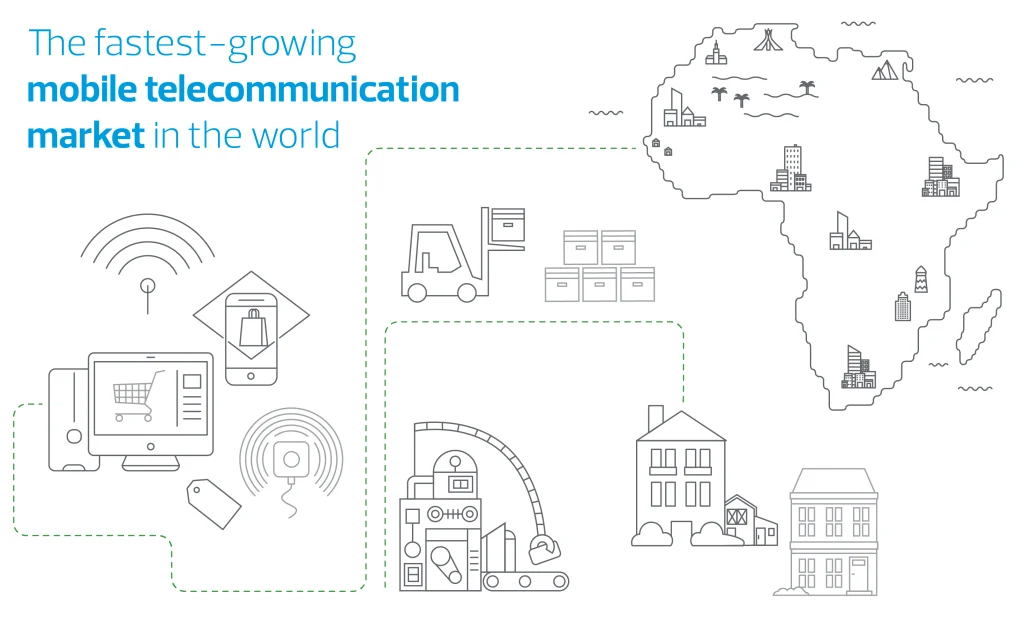
The African logistics market has proven itself ahead of the curve in many areas, with endless potential and opportunities lurking just beneath the surface.
China’s GDP is central to the global economy and especially in Africa The Asian country’s economy is integrated with nearly…

The practical implementation of the AfCFTA, the expanding middle class, the evolving consumer market, enhanced use of financial technology and services, and the efficiency of the vibrant private sector will all be enablers of African export diversification and long-term economic growth.