

Trending
- AI’s Dual Capacity and a Strategic Opportunity for African Peace and Security
- How African economies dealt with the 2025 debt maturity wall
- Africa’s Green Economy Summit 2026 readies pipeline of investment-ready green ventures
- East Africa banks on youth-led innovation to transform food systems sector
- The Washington Accords and Rwanda DRC Peace Deal
- Binance Junior, a crypto savings account targeting children and teens debuts in Africa
- African Union Agenda 2063 and the Conflicts Threatening “The Africa We Want”
- New HIV prevention drug is out — can ravaged African nations afford to miss it?


Browsing: investment

All sales of the gold coin, weighing 33.93g, by the agents would be subject to normal know-your-customer (KYC) principles in line with international best practices, which include the declaration of the source of funds.
“The gold coins shall be sold at the prevailing international price of gold plus 5% to cover the cost of production and distribution of the coin on a payment vs delivery basis,” the guidelines read in part.
“The bank shall publish the Mosi-oa-Tunya gold coin price by 0800 hours daily, which shall be based on the previous day’s London Bullion Market Association (LBMA) PM Fix plus the cost of producing the coin. The Mosi-oa-Tunya gold coins shall be sold with an accompanying bearer certificate with security features.”
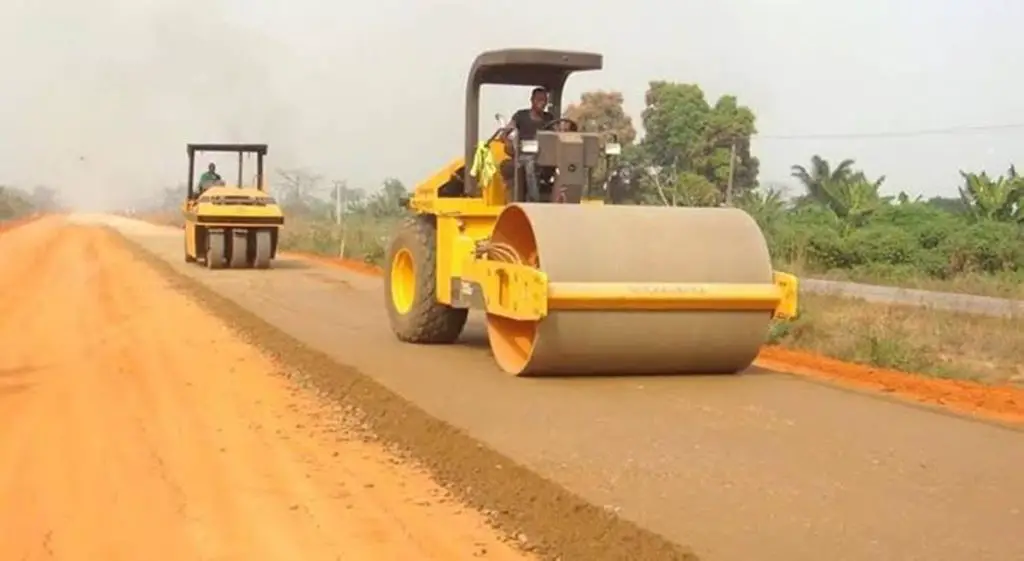
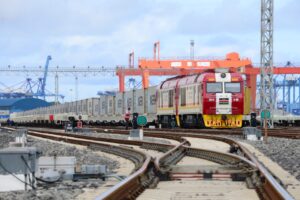
Infrastructure development continues to be a vital driver of foreign direct investment (FDI) since logistics are so necessary for global business development, mainly e-commerce, which is now a significant generator of income and jobs at home and abroad.
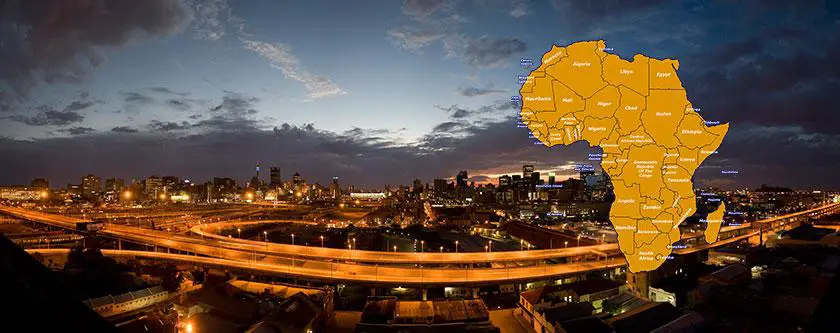
In as far as global trade is concerned Africa has a central role to play. So critical is this role that should Africa be absent from the global trade equation the global economy simply will not prosper. Africa’s mining sector offers in 2022 and going forward a real opportunity for expansion.
Africa’s economic transformation will come from its ability to leverage the comparative advantage position its natural resources offer. Africa needs to become the seventh corridor of the Belt & Road Initiative (BRI). China will be able to enhance its dominance in the global economy if it does more to invest in and develop economic ties with Africa.
Currently the BRI in as far as Africa is concerned restricts the role of Africa to providing access to raw materials.
These gains will come from reduced tariffs which are stubbornly high among states in the region. More and greater gains will come from the reduction of trade costs by reducing non-tariff barriers and improving what the World Bank describes as hard and soft infrastructure at borders. The aim of these measures is to reduce red tape, lower compliance costs for traders and make the integration of African businesses with global supply chains seamless.
AfCFTA is still in its infancy stages in terms of implementation with a lot still to be seen in terms of its success. These practical reforms will be difficult to implement given the sheer size of the trade area. The trade area encompasses 54 countries however, the successful implementation of the initiative will provide substantial rewards. In terms of employment, seamless and frictionless trade between African countries has the potential to lower the gender wage gap in favour of women and help all workers by increasing the amount of decent employment opportunities.
The World Bank estimates that the implementation of AfCFTA will lead to an increase in wages by 10% with the largest gains accruing to women and unskilled labour.
Fossil Mines is reportedly owned by Obey Chimuka, according to 263Chat Business.
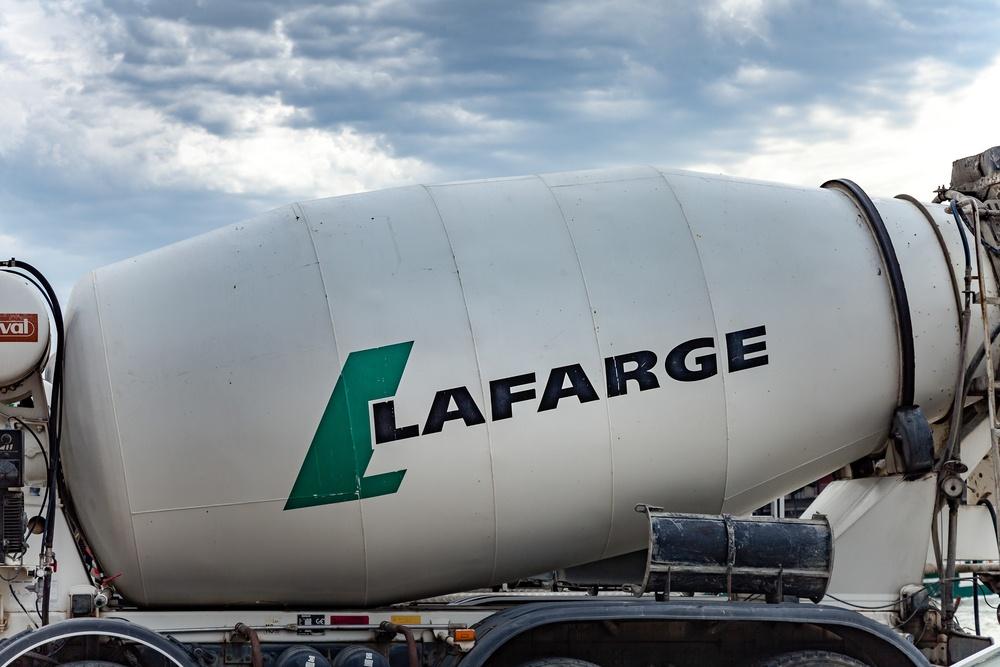
According to a publication by New Zimbabwe dated June 7, 2022, the disposal of Holcim’s Zimbabwean shareholding follows prior disposals of Holcim shareholding in the Northern Ireland, Zambian and Malawian markets amid plans that the group is in the process of disposing of its Indian cement business. The firm told Bloomberg that they are constantly evaluating possibilities to align their portfolio with a vision to open new growth opportunities.
On January 25, 2022, the group announced the intention to dispose of its 76.45 per cent shareholding in LACZ as part of its strategy to divest from the cement manufacturing business before inviting interested bidders to submit their expressions of interest to its Financial Advisors, ABSA Corporate and Investment Banking in South Africa.
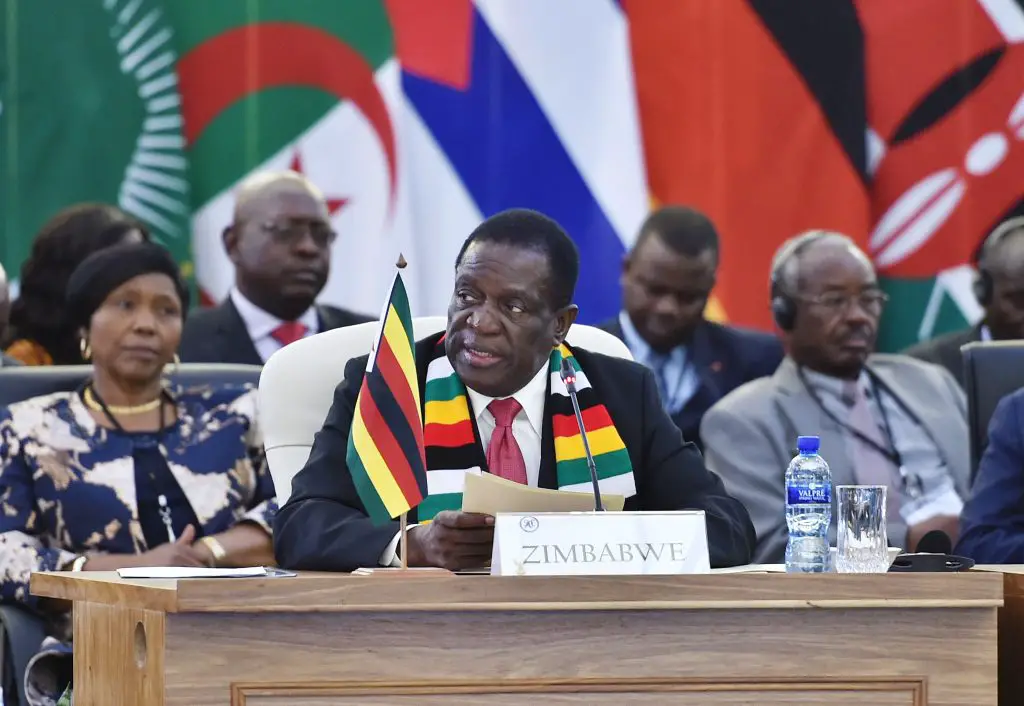
The movement of exchange rates on the parallel market has been caused by the government itself. Firstly, the government introduced a currency that economic agents have no confidence in because it did not have the macroeconomic fundamentals to give it credence. There was no parallel market for foreign currency during the years that the country made use of a basket of currencies.
The parallel market only emerged when the government introduced a surrogate currency called the bond note which was said to be at par with the United States dollar. No sooner than the surrogate currency had been introduced that the parallel market emerged, and United States dollars started trading at a premium.
Secondly, the government reportedly purchases foreign exchange on the parallel market. Through the central bank, the government issues new currency and then purchases foreign currency on the parallel market and drives up the exchange rate. It has been documented and widely reported that this is taking place on a grand scale, that the central bank is creating money supply and using it to purchase foreign exchange.

Stock broker Morgan and Co to launch Made in Zimbabwe ETF on June 17, 2022 Made in Zimbabwe ETF to…
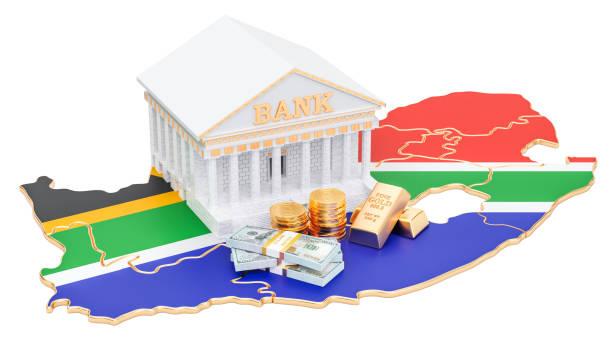
Banking industry in South Africa staged a strong come back in 2021 in report by PWC. Banks enjoyed supportive credit…
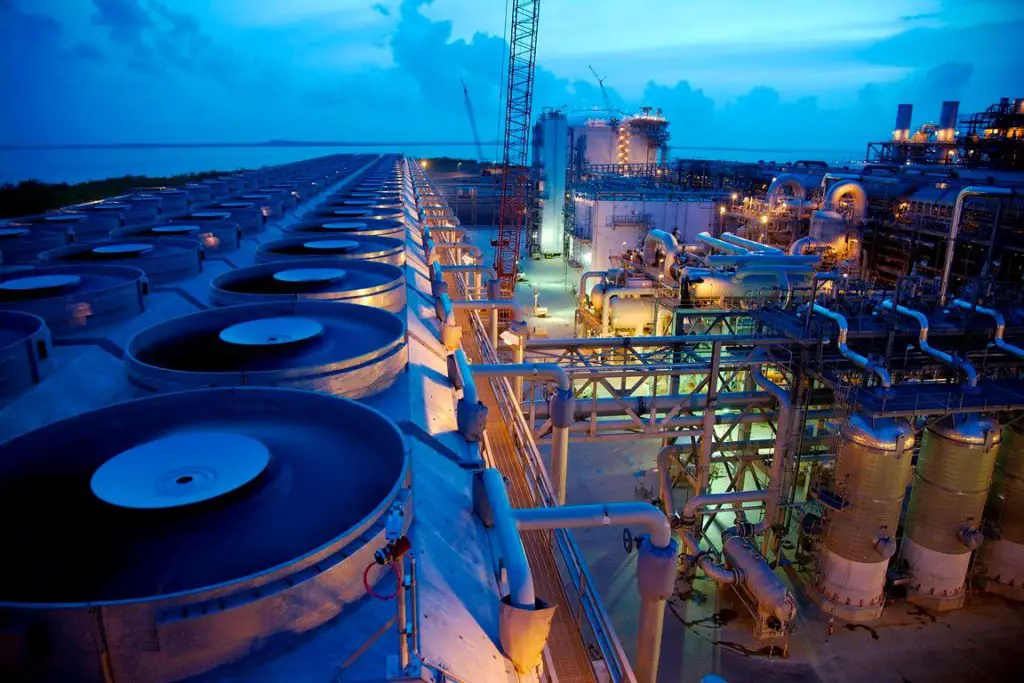
Energy producers argue that Tanzania’s LNG international markets could be worth around 44.3 billion (based on 2021 markets), thus proving how the sector benefits all parties involved in the investment.
The EACOP pipeline is another success story that Tanzania wears as a badge of honour. It managed to win Uganda over and sweep off Kenya from the deal, as Tanzania’s land laws and policies favoured the project timeline. According to information from the EACOP official website, the oil project will transform oil and gas investment in both countries while increasing their FDI by over 60 per cent during the construction phase alone.
Mining is another extractive sub-sector that yields profits for both Tanzania and investors. After facing a series of international legal complications, Tanzania’s new mining landscape is open for business.
Big global miner such as Barrick Gold has solidified investment in Tanzania mines which produce valuable diamond and gold minerals. According to the Bank of Tanzania, gold generated $2.7 billion in exports in 2021.
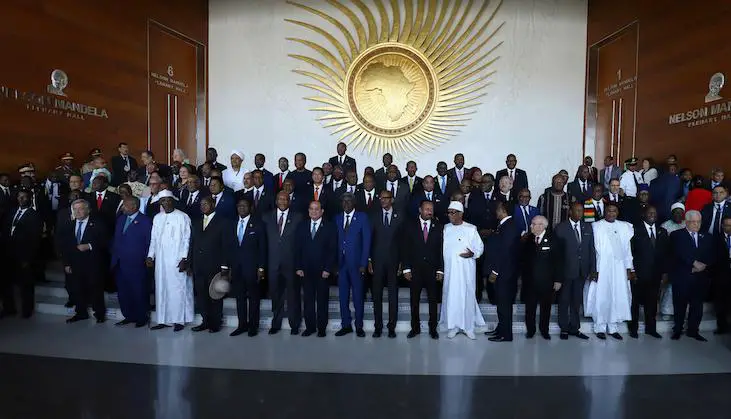
Africa’s role in the world economy derives from its economic importance to the rest of the world in international trade and as a destination for international investment. Africa has recently become home to the largest free trade area in the world, both by area and by the number of countries.
As economies have been hard hit by the Covid-19 pandemic, the Africa Continental Free Trade Area (AfCFTA) holds economic promise for the continent. The AfCFTA comprises 55 countries with a population of 1.3 billion and combined GDP of about $3.4 trillion. Business leaders and observers regard economic and regional integration as essential for accelerating Africa’s manufacturing, e-commerce, and digitization to reduce an over-reliance on imports, especially from China.
However, there is still much more to do as major components of the agreement still must be negotiated, between many countries and regional economic communities. Moreover, according to the IMF, removing non-tariff barriers could be up to four times more effective in boosting trade than tariff reductions.