
Trending
- African governments drive new forest finance progress as global report warns funding globally must scale faster
- Fine Spinners eyes Kenya’s Agoa-backed apparel supply chain with $5m plant
- Why young Kenyan investors need to stop treating the stock market like a betting slip
- Tanzania tax reforms mandate VAT refunds to under 30 days
- In New York, world leaders unveil plan to overhaul global health architecture
- Minisend grows Kenya presence as official payment partner of Africa Blockchain Festival 2026
- UN resolution challenges world maps that make Africa look smaller
- Zimbabwe edges closer to arrears payment, debt restructuring and reset of ties with IMF


Browsing: premium
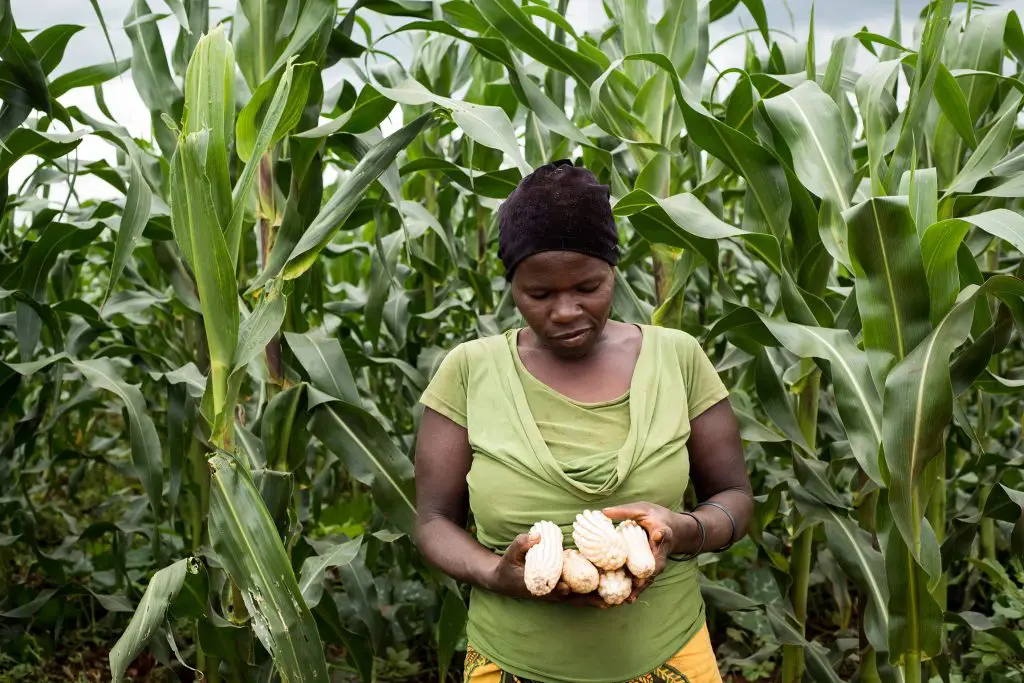
Agriculture is contributes 23 percent of African GDP, Mckinsey 2019 At least 43.8 percent of people are employed in the…
The company in 2021 generated profits or EBITDA in the region of US$ 20.6 billion from its specified businesses according to its website. For perspective, this EBITDA figure is about the size of the GDP of Zimbabwe. Shareholders of the company received US$ 6.2 billion in 2021. The strong financial showing according to the company was due to increased production which was up 5% year on year, stronger prices for its products and consequently much higher margins.
Cutifani stressed that the solid numbers produced by his company were not just good for shareholders but were good for all stakeholders and the communities where Anglo operates. The company paid US$ 7.1 billion in taxes in 2021. This number was 89% higher than the figure paid in 2020.
The EBITDA margin achieved in 2021 was 56% which was significantly higher than the 35% achieved the previous year. The high margins had a favourable impact on profitability resulting in earnings per share (EPS) of US$ 7.22. The higher margins achieved in this year were also responsible for the increased return on capital employed (ROCE) of 43% in 2021 against a standard of 15%.
Notwithstanding the high metric for ROCE, the company projects that this metric will grow even more still to anywhere between 45% and 50% from 2023 going forward. This is expected to come on the back of improved costs and prices.
The company made significant headway in terms of deleveraging its balance sheet in 2021. It ended 2020 with US$ 5.5 billion and ended 2021 with US$ 3.8 billion.
The agreement places a premium on the expansion of the collaboration, particularly in renewable energy. Additionally, collaboration opportunities will be discovered in the areas of energy efficiency, energy technology, the hydrogen economy, flexible energy systems, storage solutions, integration technologies, hydrogen and Power-to-X, and research and development.
The two ministries will endeavor to expedite the formation of partnerships between bilateral agencies and businesses to execute cooperative initiatives in innovation, research, and development. Renewable energy, energy efficiency, and energy systems are critical components of a prosperous society. Finland has established considerable expertise in these domains, and it makes sense to foster this practical cooperation with Morocco.
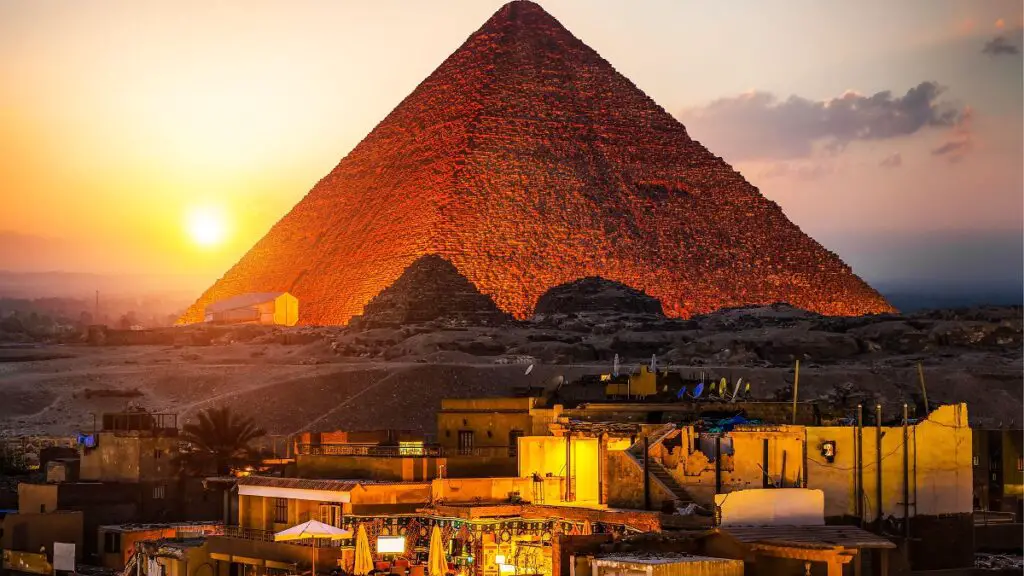
The National Project for Developing the Egyptian Countryside is an initiative estimated to cost US$1.11 trillion. This project will impact at least 1,350,366 households. President Abdel Fattah al-Sisi said in January 2021 that the project would be completed in three years. US$519.28 million of the total funding will come from the International Fund for Agricultural Development (IFAD).
The government that took power in 2014 inaugurated a series of projects to reignite Egypt’s economy. As a result, Egypt’s planning minister, Hala al-Saeed, expects the country’s economy to grow to 5.6 percent in the FY2021-22. Prime Minister, Mostafa Madbouly, referred to Haya Karima as an “icon” project that will help Egypt rebuild its economy and better the lives of more than half the population in Egypt.
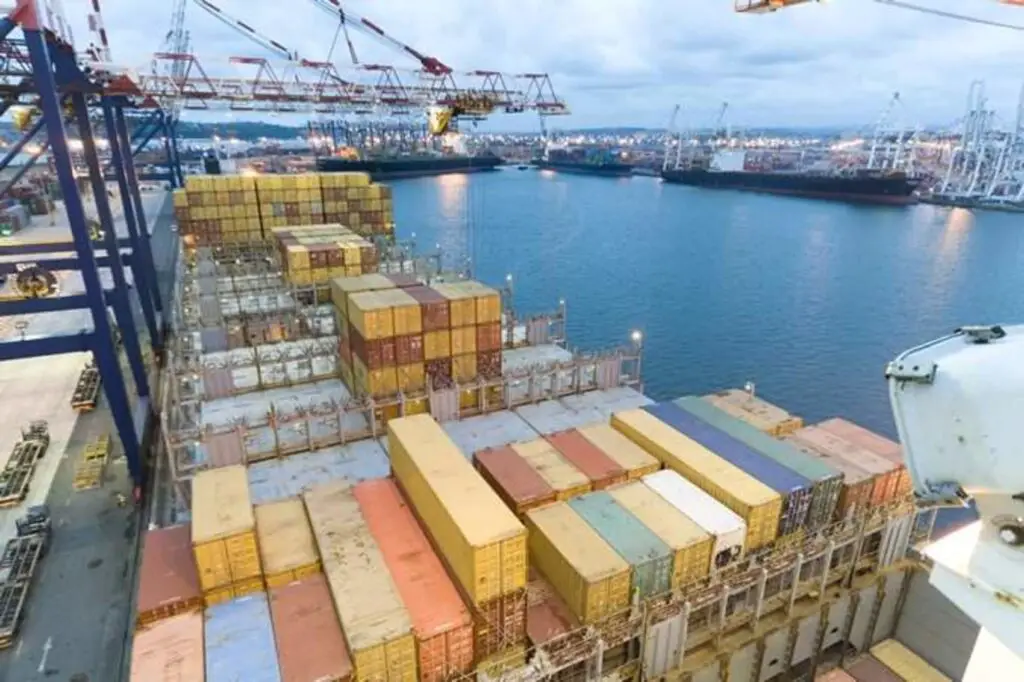
UNCTAD argued that in the fourth quarter of 2021, all major trading economies saw imports and exports rise well above pre-pandemic levels of 2019. Moreover, the report pointed out that trade in goods increased more strongly in developing countries than in developed ones.
It is essential to realize that Africa has more to tap into the intra-African trade, standing at around $21.9 billion, according to UNCTAD.
Further, exports of developing countries were about 30 per cent higher than during the same period in 2020, compared with 15 per cent for wealthier nations.
The UNCTAD report argued that growth spiked in commodity-exporting regions as commodity prices increased.

Ethiopia is the biggest Wheat producer in Africa, producing about 5.1 million tonnes in the 2020/2021 financial year. Russia’s restriction on the importation of Wheat has created a business gap in the African market and all over the globe.
Russia and Ukraine account for more than 70 per cent of Egypt’s imported wheat demand. In 2019, wheat imports from Russia to Egypt were worth US$2.55 billion, and Nigeria’s imports amounted to US$394 million. Other countries that import Russian Wheat include Sudan, Senegal, Tunisia and Morocco. Ethiopia will hold talks with Egypt and Sudan in March 2022 over the Nile waters’ use. Both countries are importers of Wheat, and production in Ethiopia could fulfil the demand from these two countries without exerting pressure on their production.
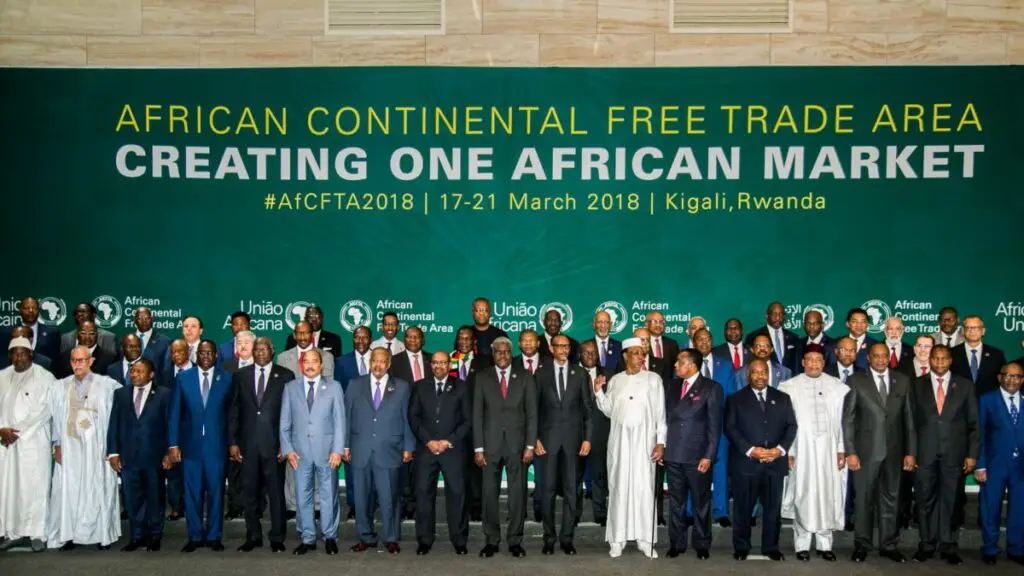
Top five priorities for the African Union Building Nutrition and Food Security top African Union Agenda Africa requires an equitable…
African nations are harnessing it’s push toward the oil and gas industry despite global push to reduce greenhouse gasses Oil-rich…

African Union hosting eight events at the Expo 2020 Dubai The world sees Africa as the new frontier for business,…
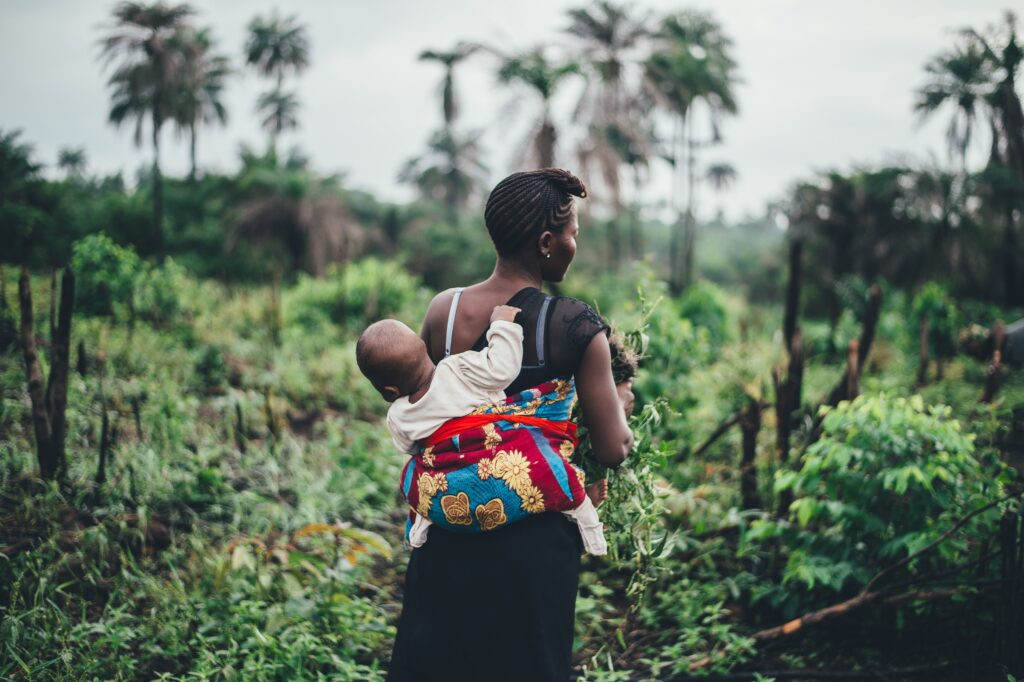
Unreported mergers and acquisitions, false advertising, or aggressive marketing tactics all place the farmer, the common trader, at odds with…