

Trending
- Weather experts warn of the most powerful El Niño in decades as extreme weather hits Africa
- Africa Blockchain Festival ignites a new dawn for African innovation
- Africa’s gaming market set to quadruple to $4 billion, defying global slowdown
- Tanzania throws its bond market wide open to the global investors
- VALR sets sights on East Africa as blockchain moves deeper into Africa’s financial system
- The cost of the data gap: Why Kenya’s lenders can’t afford to miss the full picture
- Tanzania takes EAC labour migration helm as regional rules face overhaul
- 2026 is turning out as a defining year in geopolitics, but for whom?


Browsing: West Africa

Data centres are IT facilities that manage big organisations’ data. They house state-of-the-art computing infrastructure with very powerful machines. The…

The World Bank projects Sub-Saharan Africa’s economic growth will dip to 3.1 per cent in 2023. Weakening growth is attributable…
East Africa is anticipated to have the highest performance, surpassing other regions. Central Africa is projected to experience growth of…
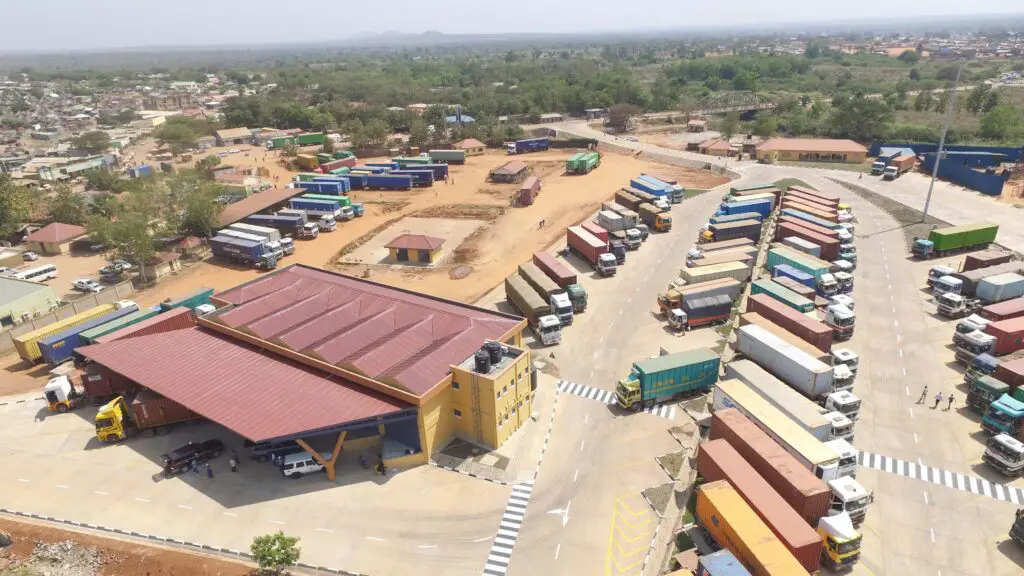
TradeMark East Africa has rebranded to TradeMark Africa (TMA) and simultaneously officially launched its West Africa operations The organisation now…
The Economic Community of West African States (ECOWAS) boasts of some of Africa’s largest economies, but like many economies of…

Big cap stocks are far more profitable with ROE’s of 67 per cent compared to 21 per cent for mid cap stocks. Further, their stock market returns are superior to mid-cap stocks.
Nestle Nigeria had the highest on Return on Equity of 215.4 per cent with a share price at 1,215.00 NGN. While, International Breweries had the lowest Return on Equity of a negative 2.5 per cent with a share price at 4.95 NGN as of September 30, 2022.
Nestle Nigeria Plc listed on the Nigerian Stock Exchange is a food manufacturing and marketing company in Nigeria and a subsidiary of the largest food and beverage company in the world. The company produces an extensive range of products for the retail and wholesale sectors.

Some have wondered whether Obi will manage to upset the status quo that has defined Nigerian politics since 1999. However, great support for Obi has been borne of the young generation’s apparent frustration with Nigeria’s political class.
More specific, many people view the presidential candidates from the two major political parties, APC and PDP, as representatives of status quo politics that have left Nigeria on the brink of economic shutdown.
In the run-up to Nigeria’s presidential elections in 2023, the electorate confronts the challenges of soaring inflation, a plummeting currency, and prevalent insecurity. Crude oil, Nigeria’s economic backbone, has seen its production slump to multi-decade lows. Moreover, the government has seen its debt service exceed the earned revenue in the first quarter of 2022.

For historic reasons, bilateral and regional trade in Africa has been hampered by trade routes designed for export away from the continent rather than for facilitating intra-Africa trade. Obstacles include long distances, inadequate transport services, and inefficient institutional and transit regimes.
In many landlocked African countries, economic centres are located several hundred kilometres away from the closest seaport. Overcoming geographic constraints or the lack of economies of scale caused by small transportation volumes is key for all countries, particularly transit countries. A renewed focus on the efficiency of transport and logistics services is long overdue, given that many countries retain policies that favour closed, small, and inefficient services markets.
By committing to no new barriers to services trade during the progressive liberalization process, at least in the five priority sectors—business, communication, financial, transport, and tourism services, and with declining trade costs—the transport sector is bound to expand.
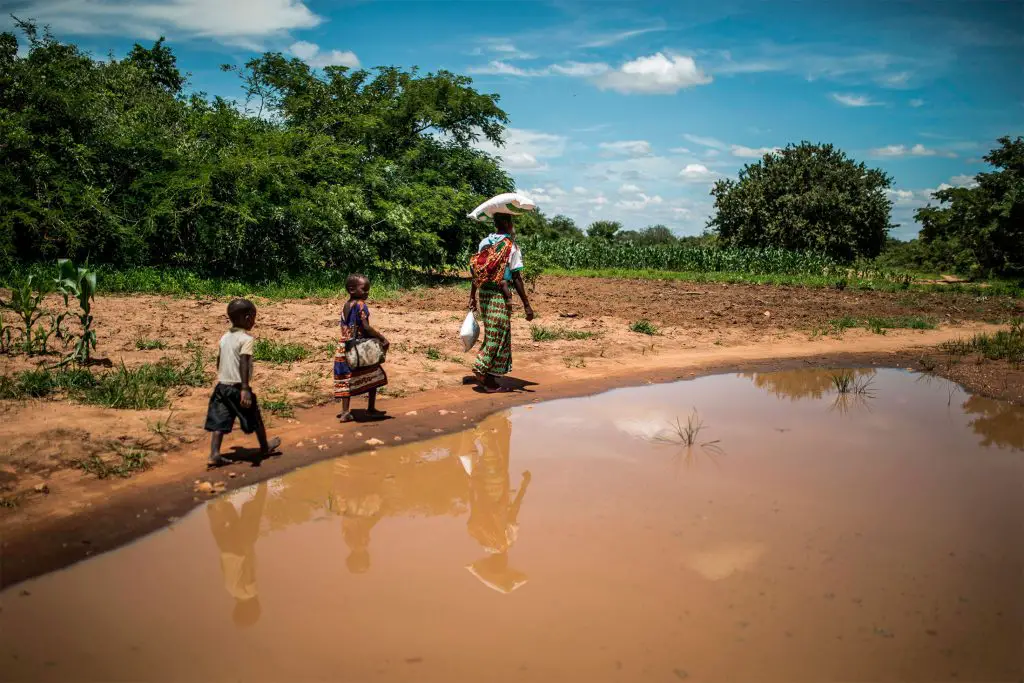
Africa’s fast population growth exacerbates the issue. According to most estimates, Africa’s population will double by 2050 and then double again by 2100, finally reaching over 4 billion by the end of the century. Feeding Africa’s rising population will need considerable breakthroughs in the continent’s food systems.
However, agricultural progress may be difficult if African farmers are subjected to more severe climatic effects. To prepare for these future difficulties, one must understand how climate change will materialize in Africa and its impact on the continent’s agricultural systems.

Every African region has felt the effects of Russia’s invasion of Ukraine, with West Africa also bearing the burden of…