
Trending
- African governments drive new forest finance progress as global report warns funding globally must scale faster
- Fine Spinners eyes Kenya’s Agoa-backed apparel supply chain with $5m plant
- Why young Kenyan investors need to stop treating the stock market like a betting slip
- Tanzania tax reforms mandate VAT refunds to under 30 days
- In New York, world leaders unveil plan to overhaul global health architecture
- Minisend grows Kenya presence as official payment partner of Africa Blockchain Festival 2026
- UN resolution challenges world maps that make Africa look smaller
- Zimbabwe edges closer to arrears payment, debt restructuring and reset of ties with IMF


Browsing: World Bank
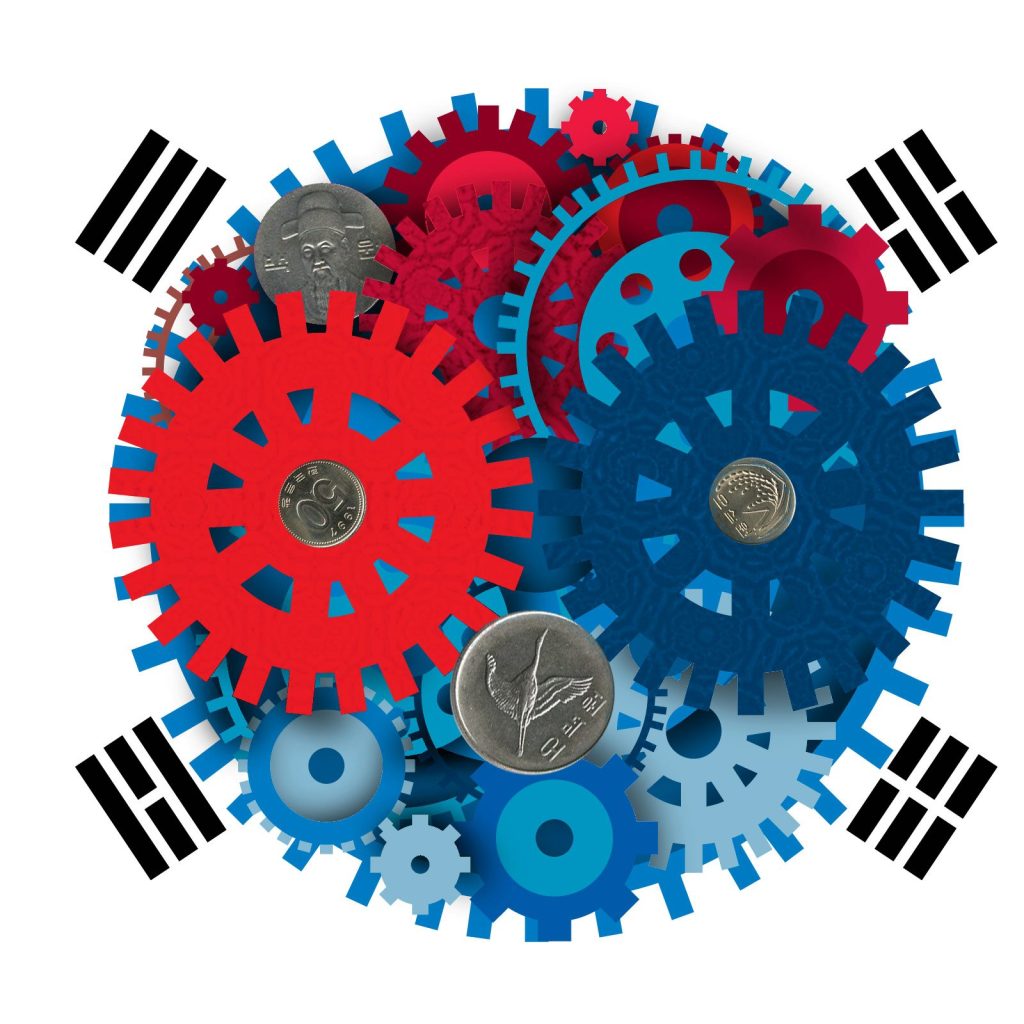
South Korean industry began with the production of textiles and footwear and then moved into heavy industries like steel, heavy equipment, ships, petrochemicals, electronics, and automobiles by the 1980s.
Africa needs to follow the economic lead of countries like South Korea that developed into advanced states through export-led economic growth and the development of strong domestic economies. South Korea committed to rapid industrialization. This is what caused the economy to take off. However, it is important to note that economic development was also set in motion by leaders who implemented land reform and educational development.
Oxford Research notes, “Industrialization was characterized by a close pattern of cooperation between the state and large family-owned conglomerates known as chaebǒls. This close relationship continued after the transition to democracy in the late 1980s and 1990s but after 1987, labour emerged as a major political force, and rising wages gave further impetus to the development of the more capital-intensive industry.”

According to the World Bank, skilled workers enhance the quality and efficiency of product development, production, and maintenance and supervise and train workers with lesser skills. As a matter of fact, countries with well-established TVET systems tend to enjoy lower youth unemployment.
This is because the orientation of TVET coupled with the acquisition of employability skills allows it to address issues such as skills mismatch that has impeded smooth school-to-work transitions for many young people. Lower youth unemployment is key to improving lives and building stronger communities necessary for growth.
There is no doubt that Kenya, Tanzania and Rwanda are leading their East African counterparts in promoting technical skills training in their respective countries.
2022 has been a significant year that has marked the robust revival of Africa’s tourism industry which was almost gobbled…
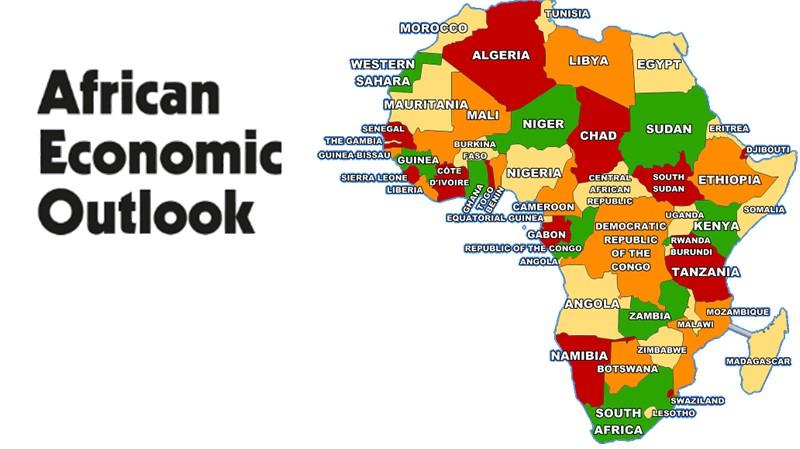
The continent in the near future will have the largest population in the world. The population of Africa is urbanizing as citizens of the nations of the continent migrate from rural to urban areas.
This addition to its vast natural resources is a potent combination for its rapid economic expansion. The world witnessed first-hand the economic miracle where China transformed itself from a rural backwater in 1949 when the modern Chinese state was founded to an economic and military superpower by 2019. The year 2019 is significant to China because the country celebrated 70 years of its founding as a communist state, and the Asian country gained worldwide recognition as a military superpower.
China put on a military parade that displayed a weapons arsenal that made the United States sit up and take notice. How was this possible? China’s economic transformation was because of several factors. One of the most important factors was and remains the rapid urbanization of its population, driven by the migration of millions of Chinese citizens from the rural areas to the booming metropolises. This urbanization increased the demand for natural resources and commodities needed to construct cities, roads, and infrastructure needed to support a rapidly expanding economy.

Due to globalization, countries worldwide are increasingly interdependent. This is why a conflict between two countries in Europe will cause ripple effects that the rest of the world feels. On this basis, the World Bank projects that economic growth in 2022 will slump. Not slow down but slump. The choice of words is intentional.
Malpass now believes that the world is in for several years of above-average inflation and below-average growth. This projection will most likely lead to destabilizing consequences for low- and middle-income economies. These low- and middle-income countries are largely on the African continent. Stagflation which the world last saw in the 1970s, will have a devastating effect on countries in Africa. Most countries in the continent do not have the resources like Germany to muster multibillion Euro or multi-billion United States dollar packages to subsidize the economic plight of their citizens.
World Bank forecasts a sharp downgrade of its global economic outlook and anticipates a sharp contraction in the economy. The global economy is expected to slow down from the GDP growth rate achieved in 2021 of 5.7% to 2.9% in 2022. The downgrade from the multilateral institution is because of the war in Ukraine, which has triggered food and energy increases as well as supply and trade disruptions.
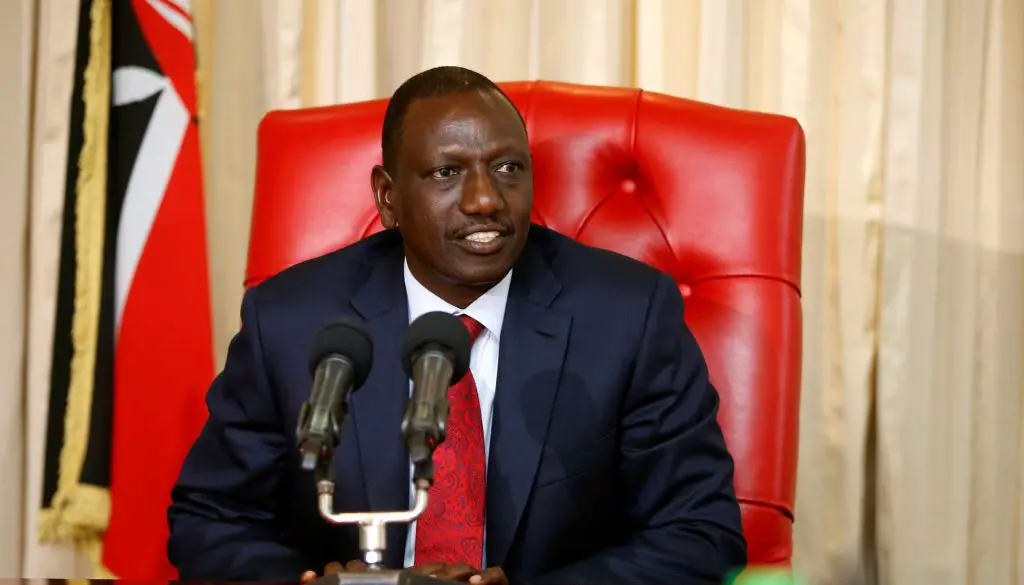
The confirmation of William Ruto as president indicates that Kenya will remain on track with its IMF program and plans to strengthen medium-term public finances, but a sovereign credit 2022 ratings downgrade remains inevitable in the subsequent months.

There are increasingly more and more ‘outbreaks’ of non-communicable diseases in Africa and more so in sub-Saharan Africa. These lifestyle…

On the backdrop of increasing global demand for cashew nuts, the government of Tanzania is now subsidizing agro-inputs for farmers…
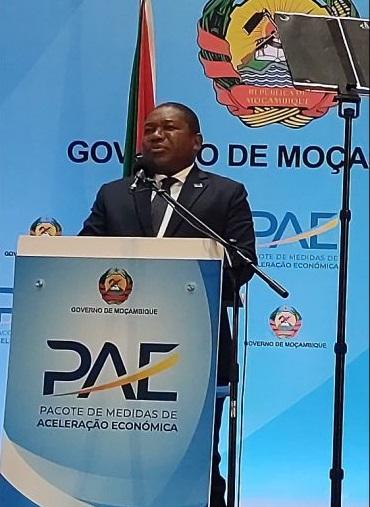
The PAE – Economic Acceleration Stimulus Package consists of 22 measures divided into two sets of reforms, the first being fiscal and economic stimulus and the second the improvement of its business environment, transparency, governance, and the acceleration of strategic infrastructure.
The fiscal and economic stimulus interventions include the reduction of selected taxes with a direct impact on the main productive sectors.
The measures announced lower the IRPC from 32 per cent to 10 per cent in agriculture, aquaculture, and public transport, and VAT from 17 per cent to 16 per cent and include a VAT exemption on imports for agriculture and electrification to boost renewable energy.
The Mozambican head of state also signalled the introduction of tax incentives for new investments over the next three years but did not mention the rates of these incentives.
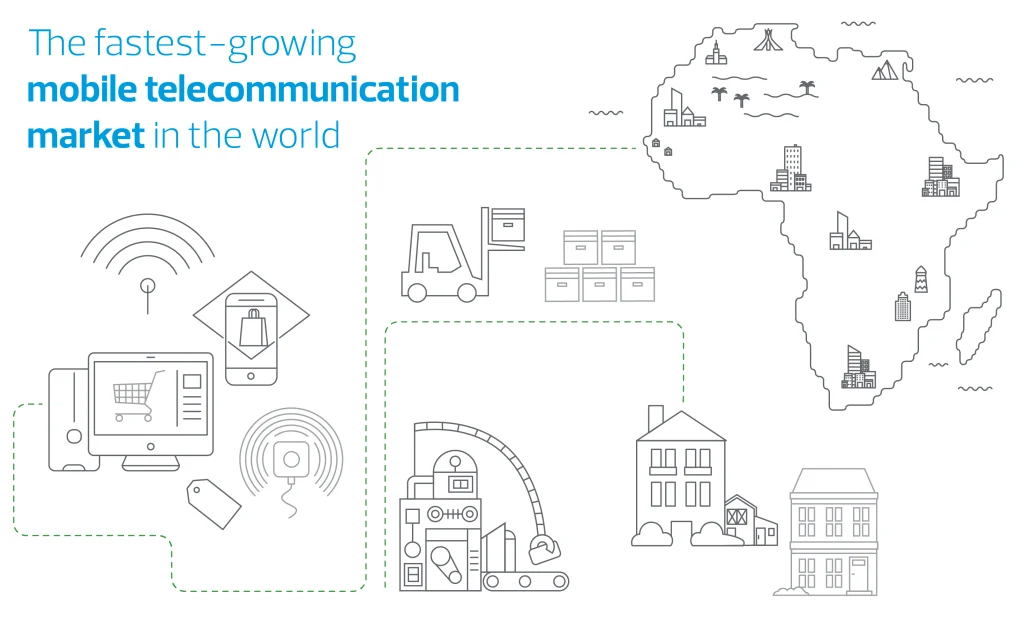
The African logistics market has proven itself ahead of the curve in many areas, with endless potential and opportunities lurking just beneath the surface.