
Trending
- African governments drive new forest finance progress as global report warns funding globally must scale faster
- Fine Spinners eyes Kenya’s Agoa-backed apparel supply chain with $5m plant
- Why young Kenyan investors need to stop treating the stock market like a betting slip
- Tanzania tax reforms mandate VAT refunds to under 30 days
- In New York, world leaders unveil plan to overhaul global health architecture
- Minisend grows Kenya presence as official payment partner of Africa Blockchain Festival 2026
- UN resolution challenges world maps that make Africa look smaller
- Zimbabwe edges closer to arrears payment, debt restructuring and reset of ties with IMF


Browsing: World Bank
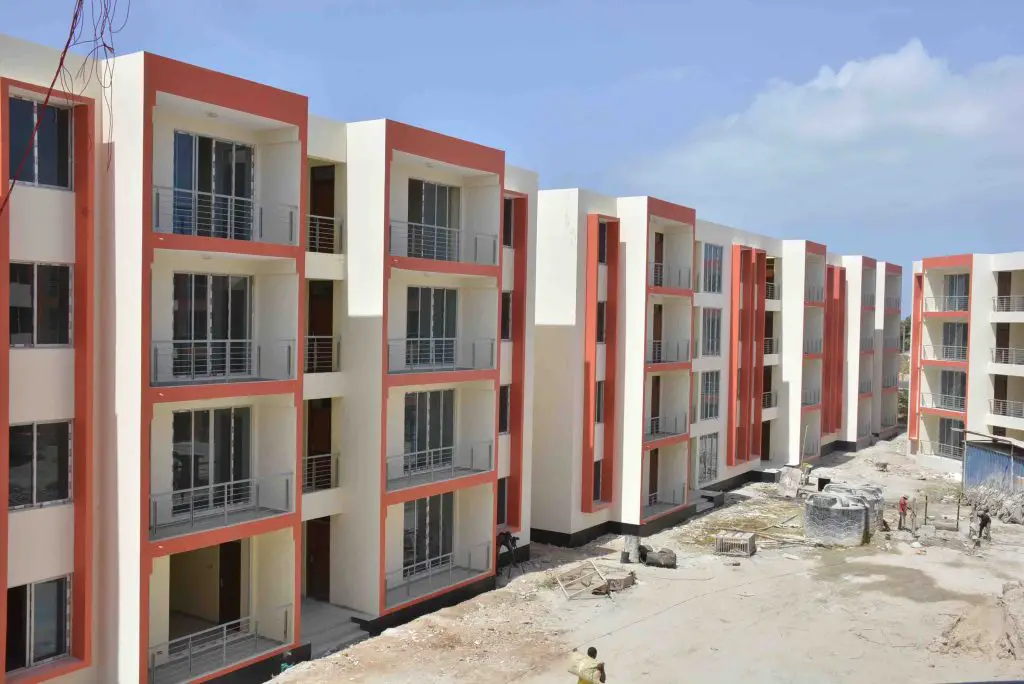
Housing demand in Kenya is estimated at 250,000 units annually. With a supply of only 50,000 new houses annually, there…
Economic growth in Sub-Saharan Africa (SSA) softened markedly in 2022 to 3.4 per cent as inflationary pressure, weak external demand,…
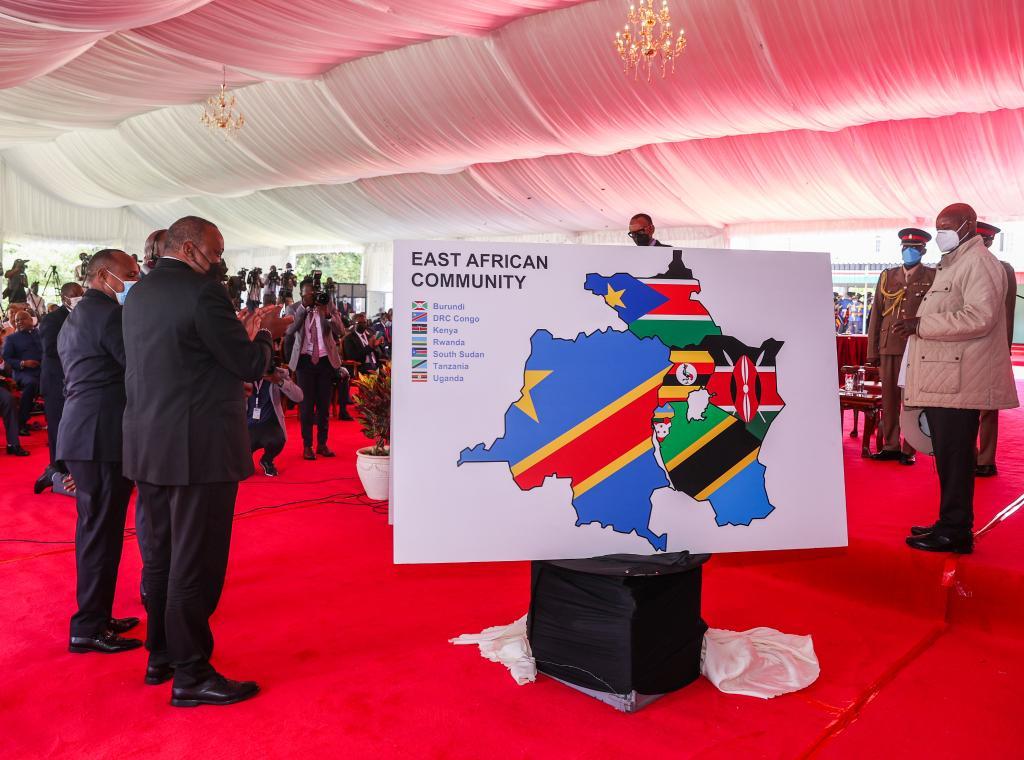
Before the Covid-19 Pandemic struck, East African countries had a common agenda to invest in infrastructure development. As the three…

Kenya is set to host the 6th edition of Africa Agri Expo in February 2023 amidst dwindling growth in the…
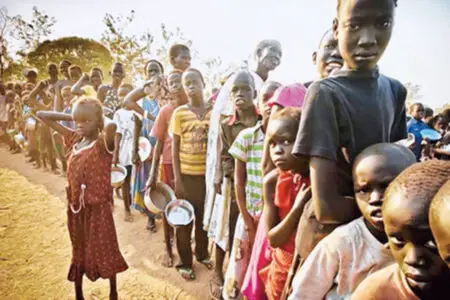
Over 20 million children in the Horn of Africa will suffer severe hunger, thirst and disease in 2023 Africa food…
The Russia-Ukraine war has impacted Africa’s economic growth by increasing food shortage Africa is facing impending food crisis that will…

Africa produces more fertilizer than it consumes yet it imports to meet demand gaps Poor inter-country trade facilities affect fertilizer…
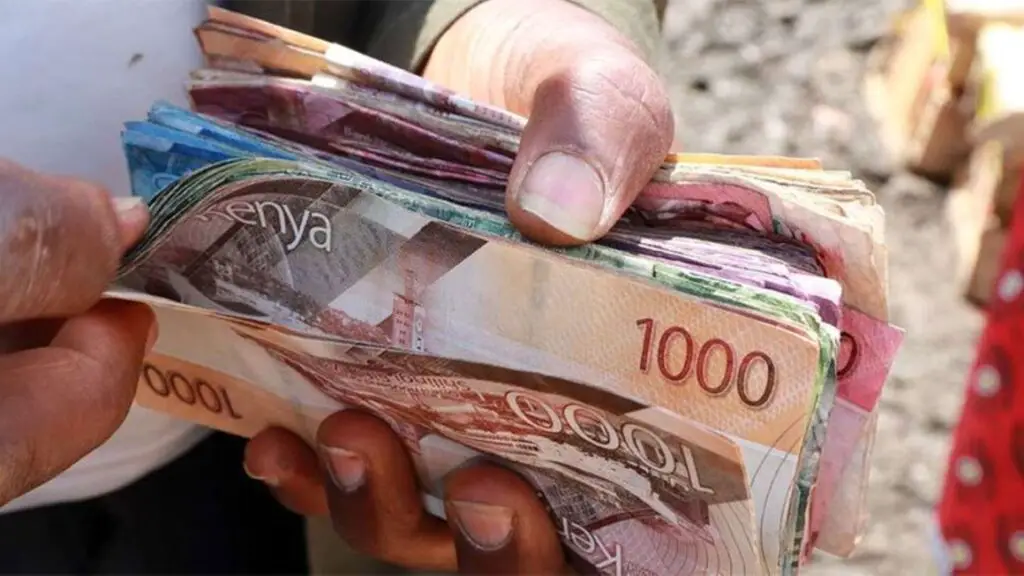
Remittance flows to developing regions were shaped by several factors in 2022 including reopening of host economies as the COVID-19…
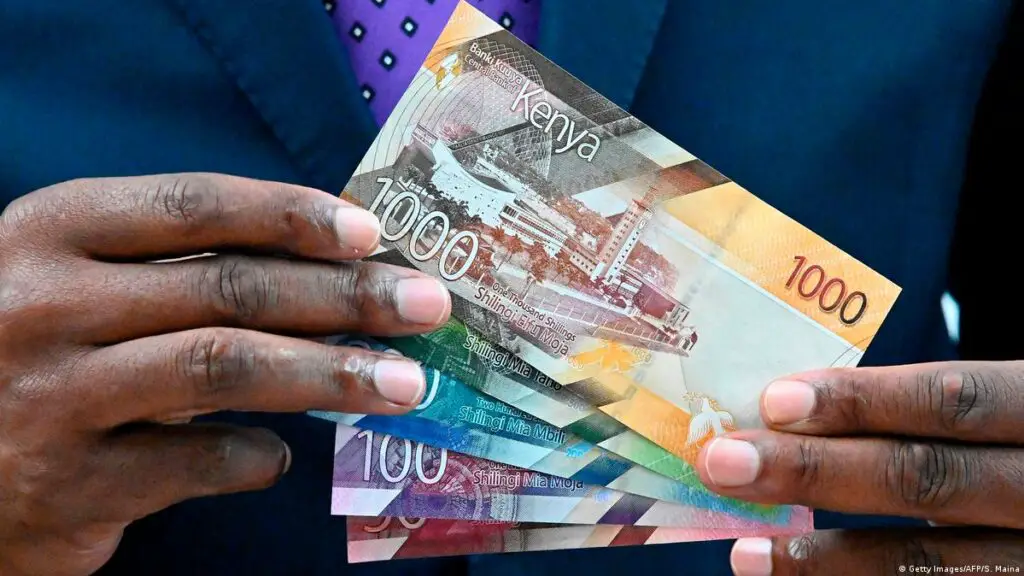
Kenya is one of 23 African nations at risk of debt distress. The major causes of debt distress include poor fiscal management and macroeconomic frameworks to sustain growth, a shift in debt structure toward more costly financing sources, and excessive government expenditure levels.
Kenya’s debt was at about 70 per cent of GDP in 2021, up from 50 per cent in 2015. China is Kenya’s biggest bilateral creditor. It accounts for 67 per cent of the bilateral debt (primarily for infrastructure projects), an increase from 13 per cent in 2011.

One of the features of many countries that are endowed with abundant natural resources is that they save less than what is expected, considering the rents obtained from extracting and selling natural resources.
If the countries saved more, they would grow at a sustainable and faster rate. To gain a better understanding of sustainable development, it is useful to examine the concept of genuine saving.
Genuine saving is defined as public and private saving at home and abroad, net of depreciation, plus current spending on education to capture changes in intangible human capital, minus depletion of natural exhaustible and renewable resources, minus damage of stock pollutants (CO2 and particulate matter).