
Trending
- 2026 is turning out as a defining year in geopolitics, but for whom?
- Bitcoin Surges 20%: How Crypto Holders Are Exploring Cloud Mining Income in 2026
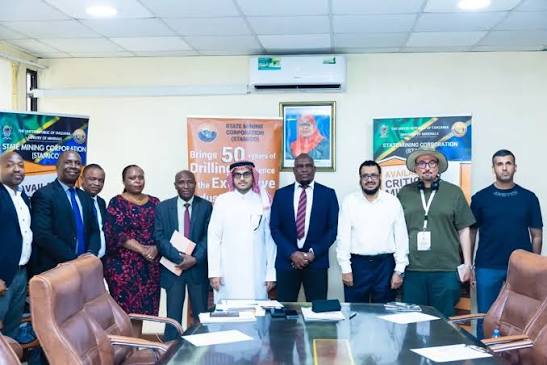
- Saudi Arabia and Tanzania pledge to deepen bilateral trade ties
- Tanzania rewrites its digital investment playbook
- Ethical sourcing boosting demand for Tanzania organic cotton
- DRC deploys 70,000 Ebola vaccine doses in high-stakes trial against deadly Bundibugyo strain
- Kenya’s private sector optimistic on growth despite inflation and geopolitical risks
- AfDB and Standard Bank ink $332 million social bond deal to fund South African SMEs



Equity Group’s Pan-African expansion helps drive the lender lion’s share of assets and half of banking profits, as non-funded income reaches record levels in…
Absa Bank Kenya’s earnings decline mark the first half-year profit…

WSA Banking Index ETF approved to list on the Nairobi…
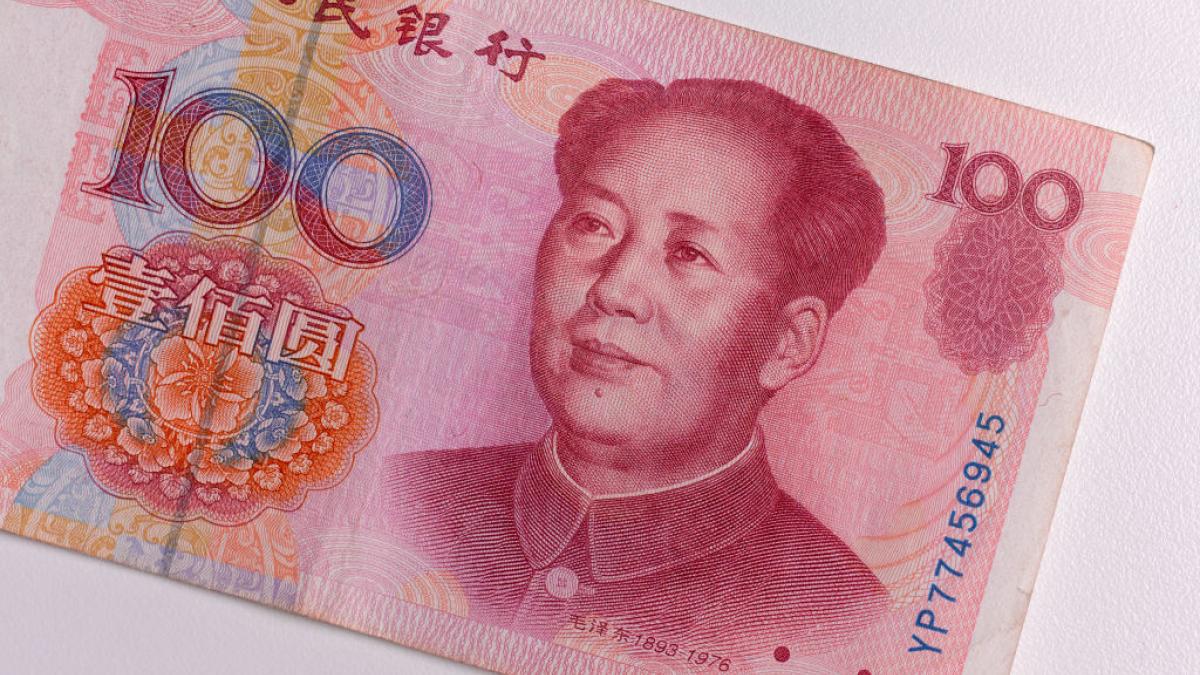
Economic experts have a bearish forecast on the US dollar, citing that it is likely…
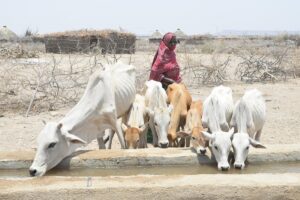
Ahead of COP28, the UN’s International Fund for Agricultural Development (IFAD) is calling on leaders across the globe to shift gears and drastically and urgently scale up climate finance for small-scale farmers and small agribusinesses, who produce one-third of the world’s food and up to 70 per cent of the food in low- and middle-income countries. Many of these farmers are grappling with the negative impacts of climate change.
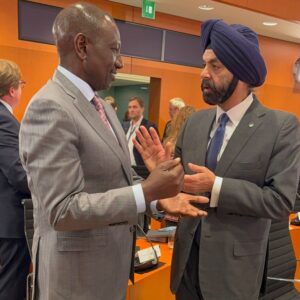
World Bank foresees $12 billion in support for Kenya between 2023 and 2026. This financing…

Equity Group anticipates regulatory changes, currency fluctuations, and the broader economic repercussions of global events…

Egypt’s entry is a huge step forward for Cellulant, which now offers a full suite…

In the ever-evolving world of global finance, oil-rich Saudi Arabia is emerging as a pivotal thread, weaving a narrative of economic collaboration and strategic partnerships. As the Saudi Fund for Development (SFD) unfurls its wings, it has inked a historic $580 million loan agreement with 12 African countries, marking a significant stride in the kingdom’s expanding role on the world financial stage.
Against the backdrop of evolving dynamics, where traditional financiers, especially China, are reassessing their commitments, Saudi Arabia’s ascent becomes a compelling tale of financial diplomacy, poised to reshape the contours of international economic relations. Saudi Arabia is positioning itself not just as a regional powerhouse but as a global player influencing the trajectory of world finance.