
Trending
- 2026 is turning out as a defining year in geopolitics, but for whom?
- Bitcoin Surges 20%: How Crypto Holders Are Exploring Cloud Mining Income in 2026
- Saudi Arabia and Tanzania pledge to deepen bilateral trade ties
- Tanzania rewrites its digital investment playbook
- Ethical sourcing boosting demand for Tanzania organic cotton
- DRC deploys 70,000 Ebola vaccine doses in high-stakes trial against deadly Bundibugyo strain
- Kenya’s private sector optimistic on growth despite inflation and geopolitical risks
- AfDB and Standard Bank ink $332 million social bond deal to fund South African SMEs



Equity Group’s Pan-African expansion helps drive the lender lion’s share of assets and half of banking profits, as non-funded income reaches record levels in…
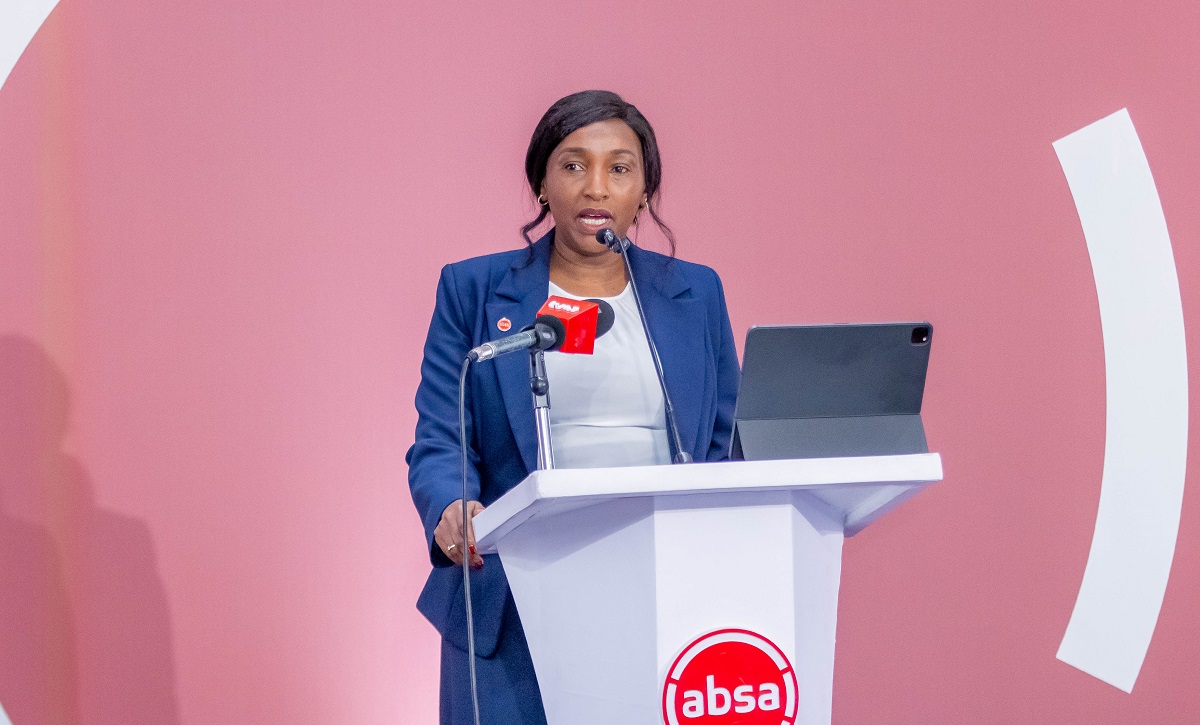
Absa Bank Kenya’s earnings decline mark the first half-year profit…

WSA Banking Index ETF approved to list on the Nairobi…
Djibouti is set to receive a $120 million loan from the African Export-Import Bank (Afreximbank) in a deal targeting projects that will accelerate the country’s economic growth.
The financing, which will go to Djibouti’s Great Horn Investment Holding (GHIH) to execute projects in the country’s Damerjog Industrial Development Free Trade Zone, is part of a total facility amount of $155 million. The remaining $35 million will be financed through Banque pour le Commerce et l’Industrie Mer Rouge of Djibouti.

To facilitate the execution of these projects, Afreximbank will collaborate with Arise IIP. In May,…
Kenya is among countries that are heavily indebted with the loan stock at staggering 67.3…
The $100 million loan has been disbursed for onward lending. Coop Bank CEO says the…
About 3.3 billion people are living in countries where debt interest payments exceed expenditure on…

The tightening of monetary policies in the US and Europe has had spillover effects on African markets. The challenging economic landscape has impacted interest rates and led to rising costs of debt servicing. As such, the African development bank has warned that Africa’s external debt could rise to $1.13 trillion this year from $1.1 trillion in 2022.