

Trending
- 2026 is turning out as a defining year in geopolitics, but for whom?
- Bitcoin Surges 20%: How Crypto Holders Are Exploring Cloud Mining Income in 2026
- Saudi Arabia and Tanzania pledge to deepen bilateral trade ties
- Tanzania rewrites its digital investment playbook
- Ethical sourcing boosting demand for Tanzania organic cotton
- DRC deploys 70,000 Ebola vaccine doses in high-stakes trial against deadly Bundibugyo strain
- Kenya’s private sector optimistic on growth despite inflation and geopolitical risks
- AfDB and Standard Bank ink $332 million social bond deal to fund South African SMEs



East Africa has become a key frontier for economic expansion so as to have a balance of power against the West and as a…

The market share of Tanzania tea is gaining ground globally.…

People have been told for a long time that the…




There appears to be a consensus that the world is finally turning its back on the US dollar. There are simmering shifts within the global monetary system. The shift becomes ever more apparent, best described as de-dollarisation.
The world is searching for alternatives to the US dollar, finding them more often. Thus, moving away from the dollar can no longer be stopped. For instance, early this year, Indonesia reiterated it would promote local currency settlement (LCS) in cross-border trade and investment to reduce dependence on the US dollar.
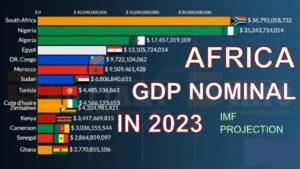
Most African economies have been staring into an economic abyss, besieged by a plethora of…

Africa produces more fertilizer than it consumes yet it imports to meet demand gaps Poor…
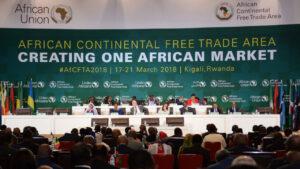
The agreement reaffirms the US commitment to elevating a strong private sector voice in AfCFTA…

Until substantial reforms are implemented, and remittance flows channelled towards long-term economic prospects, the diaspora will continue to be a net negative for weak African economies. Africa cannot depend on exporting its brilliant people abroad to bring money home forever. Thus, governments must establish vibrant economies that appreciate the continent’s human capital and enable bright individuals to prosper.

The transformative effects of DeFi on advancing financial inclusion, assisting African trade, and strengthening Africa’s economy match the technology with the global sustainability agenda and the UN Sustainable Development Goals. As a result, the industry is an attractive investment for investors, asset managers, and pension funds seeking to make their portfolios more sustainable while directly addressing social implications.