
Trending
- 2026 is turning out as a defining year in geopolitics, but for whom?
- Bitcoin Surges 20%: How Crypto Holders Are Exploring Cloud Mining Income in 2026
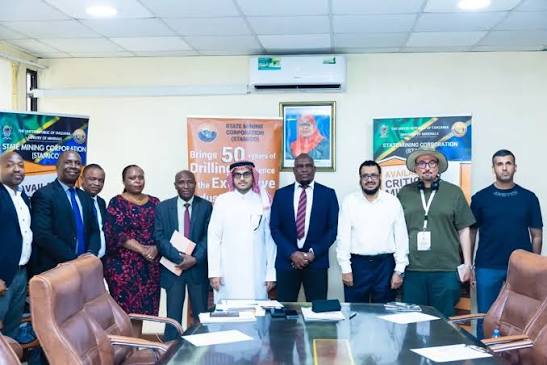
- Saudi Arabia and Tanzania pledge to deepen bilateral trade ties
- Tanzania rewrites its digital investment playbook
- Ethical sourcing boosting demand for Tanzania organic cotton
- DRC deploys 70,000 Ebola vaccine doses in high-stakes trial against deadly Bundibugyo strain
- Kenya’s private sector optimistic on growth despite inflation and geopolitical risks
- AfDB and Standard Bank ink $332 million social bond deal to fund South African SMEs



East Africa has become a key frontier for economic expansion so as to have a balance of power against the West and as a…

The market share of Tanzania tea is gaining ground globally.…

People have been told for a long time that the…


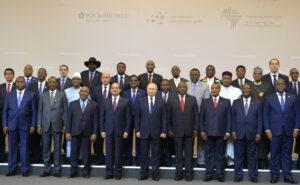
Senior policy experts have advised Russia to make its Africa policy a derivative of the…

Kenya’s Mavuno Link has been picked as the Middle East and Africa Regional Winner of…
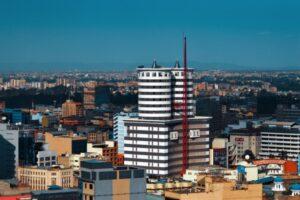
EY Kenya expects the Kenyan economy to rebound and grow by 5 per cent in…
In the years between 2000 and 2010, several insurance companies collapsed and the joke in the industry then was on those clients who were demanding to be served even as the doors were being shut for good.
But industry insiders, like yours truly, knew companies that were in the red and it was only a matter of time before they were shut down. Most insurance consumers did not have a clue as to what was going on.
Given these enabling circumstances, KKR offered to buy out RJR and reorganize the business and optimize value from its operations. This initial attempt was not warmly received, and RJR sought other investment companies to purchase it. What then ensued was what members of the investment community call putting the company in play.
This describes a scenario where one company is actively pursued by several suitors who desire to purchase it. In the end KKR triumphed albeit having paid a massive premium for the company. Unfortunately, the company did not realize the gains that it had envisaged it would.
The Nabisco operation of the company was spun off into a separate entity and the tobacco interests were also kept separate. All the gains the company anticipated it would make were swallowed up by tobacco lawsuits so that by 1994 the KKR had all but written off its investment in RJR Nabisco.
M-Pesa is on course to become a US$1Bn business. Safaricom Plc (NSE: SCOM) released its interim results on…