
- Libya’s oil sector just signed its biggest foreign deals in a generation
- African trade is growing despite the obstacles
- Why global capital is betting big on Africa’s digital promise
- Kenya posts stronger-than-expected Q1 growth at 5.3% on manufacturing rebound, tourism boom
- China’s new investment rules are about guardrails, not closed doors
- Zanzibar optimistic economic growth will hit 7.5% on tourism boom
- Kenya defies economic shocks to post record $22 billion in tax collections
- Forget South Africa: East Africa now rules in banking industry returns
Countries
The contracts were a long time coming. In June 2026, Libya’s National Oil Corporation signed production-sharing agreements on three exploration blocks, the culmination of…
Zanzibar legislators project 7.5% economic growth. President Mwinyi advocates private…
KRA reports record KES2.84 trillion (up 10.6%) in tax collections,…
The Annual Investment Meeting and Emirates Angel Investors Association agree to turn UAE into a…
According to their announcements, Germany would take professionals, skilled worked and semi-skilled Kenyans. German has…
Uganda is scouting for investors at the Annual Investment Meeting in Abu Dhabi, UAE. The…
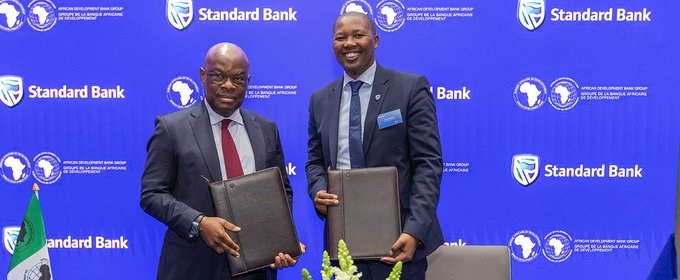
The three-year $3 billion programme will support viable trade and related investments in Kenya in…
High inflation due to rising fuel and food costs hurt business confidence in April. Stanbic…
China’s reduced lending to Africa has raised concerns about the future of Africa’s economic development and its relationship with China. The reduction in lending is due to a combination of factors, including the slowdown in the Chinese economy, the growing debt burden of African countries, and China’s increased selectivity in its lending.
The reduced lending has several implications for Africa’s economic future. African countries must find alternative sources of financing, a shift towards domestic resource mobilization, a change in the balance of power between China-African relations, and a potential slowdown in infrastructure development. African countries must navigate these changes carefully to ensure sustainable economic growth in the coming years.
Search post
Recent Posts
- Libya’s oil sector just signed its biggest foreign deals in a generation 16.07.2026
- African trade is growing despite the obstacles 15.07.2026
- Why global capital is betting big on Africa’s digital promise 15.07.2026
- Kenya posts stronger-than-expected Q1 growth at 5.3% on manufacturing rebound, tourism boom 14.07.2026
- China’s new investment rules are about guardrails, not closed doors 14.07.2026
- Zanzibar optimistic economic growth will hit 7.5% on tourism boom 13.07.2026
- Kenya defies economic shocks to post record $22 billion in tax collections 10.07.2026
- Forget South Africa: East Africa now rules in banking industry returns 09.07.2026
- Lamu over Tanga: The commercial calculus that cost Tanzania $20bn refinery 09.07.2026
- Kenya’s markets regulator opens the door, but can the investors walk through? 08.07.2026