

Trending
- Africa Blockchain Festival ignites a new dawn for African innovation
- Africa’s gaming market set to quadruple to $4 billion, defying global slowdown
- Tanzania throws its bond market wide open to the global investors
- VALR sets sights on East Africa as blockchain moves deeper into Africa’s financial system
- The cost of the data gap: Why Kenya’s lenders can’t afford to miss the full picture
- Tanzania takes EAC labour migration helm as regional rules face overhaul
- 2026 is turning out as a defining year in geopolitics, but for whom?
- Saudi Arabia and Tanzania pledge to deepen bilateral trade ties



Side hustles are everywhere these days.People do freelance work, gigs on the weekends, or delivery jobs at night to “make extra money.” But here’s…

2024 Grantmakers Summit brought together 159 organisations from the East…

Pullman Hotel Nairobi will begin operations in June 2024 Kenya…




Civil unrest, electricity crisis and natural disasters in South Africa deal a body blow to…
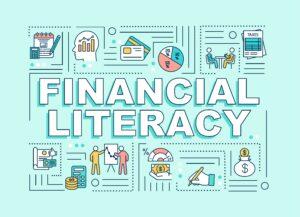
Financial knowledge remains paramount in an era in which increasingly complex financial products have become readily available to many. Governments in different countries have put more effort into expanding access to financial services. Consequently, the number of individuals with bank accounts and access to credit products is increasing.
Financial literacy remains crucial to personal and economic empowerment, enabling people to make sound financial choices and manage their finances effectively. Africa suffers from a significant shortage of financial literacy, which hinders its economic growth and development.

Africa’s youth unemployment is one of the many “poly-crises” destabilising many countries and impeding economic recovery following recent disruptions and challenges. According to the just-released International Labor Organization’s (ILO) annual Monitor of the World of Work study, low-income African nations are unlikely to return to pre-pandemic levels of unemployment this year.
Experts warn South Africa’s growth is too low to create enough jobs to absorb new…
An IMF team was in Nairobi from May 9 – 22, 2023, for the fifth…
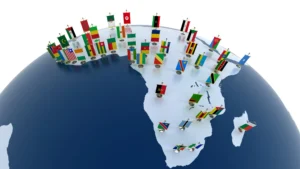
The implications of fragmentation and polarization on Africa’s economic growth and whether these trends will continue are unknown. What is certain is that multilateral organizations will need to continue encouraging international dialogue to promote economic integration and collaboration. As a result, one problem that emerges is whether African nations would adopt a unified stance or take a non-aligned approach in the Sino-American dispute.