
Trending
- Africa Blockchain Festival ignites a new dawn for African innovation
- Africa’s gaming market set to quadruple to $4 billion, defying global slowdown
- Tanzania throws its bond market wide open to the global investors
- VALR sets sights on East Africa as blockchain moves deeper into Africa’s financial system
- The cost of the data gap: Why Kenya’s lenders can’t afford to miss the full picture
- Tanzania takes EAC labour migration helm as regional rules face overhaul
- 2026 is turning out as a defining year in geopolitics, but for whom?
- Saudi Arabia and Tanzania pledge to deepen bilateral trade ties


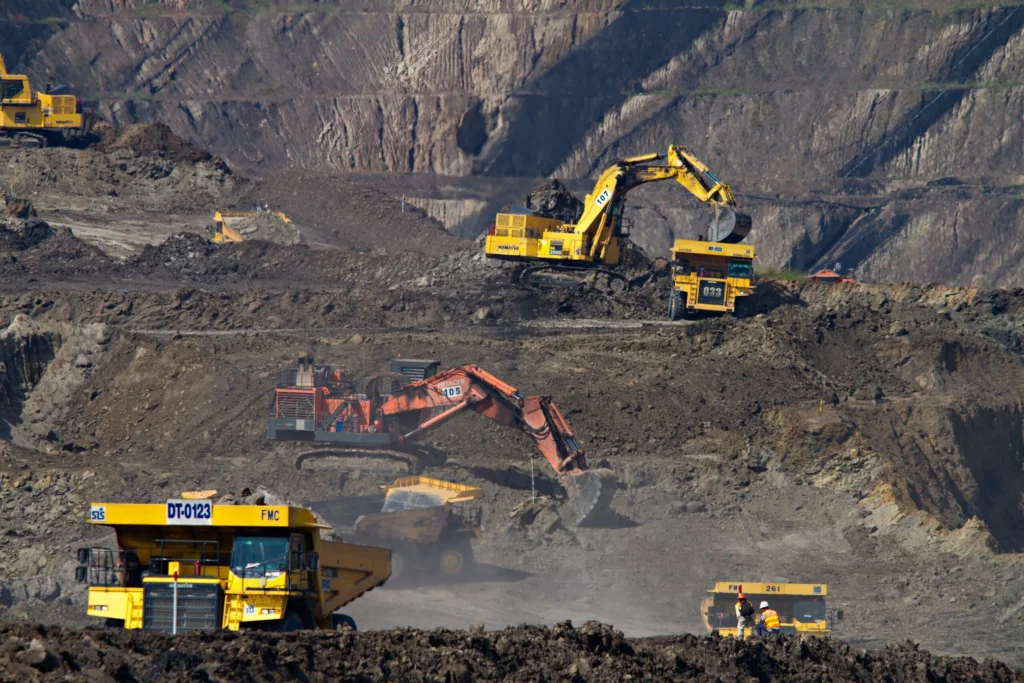
South Africa has adopted a number of measures aimed at boosting the country’s critical mineral industry. In January 2023, mining production experienced its twelfth…
The rapid snowballing of Africa’s rare earths metal production is…
Africa has been hailed as the next frontier in the…
Tanzania’s cement demand is estimated to have clocked 5.9Mt and is growing fast. Maweni Limestone…
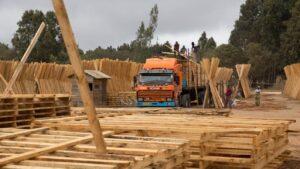
To discourage the use of firewood and charcoal, the European Union (EU) has committed to fund renewable energy solutions specifically designed to set up and support a sustainable cooking solution program.
EU Head of Delegation to Tanzania, Ambassador Manfredo Fanti announced the EU led program late last year in the capital, Dodoma. At the launch, the diplomat said the initiative is part of the EU’s efforts to mitigate climate change through the use of renewable energy solutions for cooking.
However, what is interesting here is that increase in the use of firewood and charcoal is not in rural Tanzania but in the urban centres.
Glencore has been for over 10 years in the cross-hairs of Global Witness, a non-governmental organization and lobby group established in 1993 that works to break the links between natural resource exploitation, conflict, poverty, corruption, and human rights abuses worldwide.
The organization has offices in London and Washington, D.C.
Global Witness has also in that time blown the whistle on what it describes as suspicious transactions and dealings in the DRC involving Glencore’s operations and its association with sanctioned businessman Dan Gertler.
Toxic substances that are contained in e-waste contaminate the soil; however, they do not stop with the topsoil.
Heavy metals such as mercury, lithium, lead and barium leak through the earth all the way to the table water contaminating groundwater.
Now groundwater is the basic source of all water that we consume because groundwater is the water that eventually resurfaces as springs, ponds, streams, rivers and lakes.
In his ruling, Judge Bloem said that Shell had failed to prove the safety of the project against the claims made by environmental experts and the local community, and that there had been a substantial flaw in the consultation process with the locals in the Wild Coast.
Protests against Shell exploration have gained 85,000 signatures with over 35 fuel stations dumping the company.
The local communities expressed their disappointment, saying that their customary rights to the land where they fished and did their religious activities had not been respected. Shell quietly announced the commencement of the seismic survey on November 4, 2021.
Senegal is looking towards learning from the mistakes of other African countries in an attempt to reverse the so-called “resource curse” that plagues many oil and gas producing African countries. In a further demonstration of enlisting public opinion, such a broad meeting was called to brain-storm for ideas and incorporate into a national development programme.
“It is extremely import to remind you all today, we remain convinced that the promotion of a participatory, multi-institutional, and collaborative approach is imperative for capable governance and guaranteeing sustainable prosperity,” stated President Macky Sall of the Republic of Senegal.
Under this new legislation, the citizens of Senegal will have a seat at the table, with civil society to play a leading role in driving the discussion surrounding the monetization of the country’s oil and gas industry. This landmark act will ensure a trickle-down economy that guarantees investments within petrochemicals, agriculture, power, gas, and transportation, thus expanding the economy and facilitating the creation of many jobs for Senegalese citizens.