
Trending
- 2026 is turning out as a defining year in geopolitics, but for whom?
- Bitcoin Surges 20%: How Crypto Holders Are Exploring Cloud Mining Income in 2026
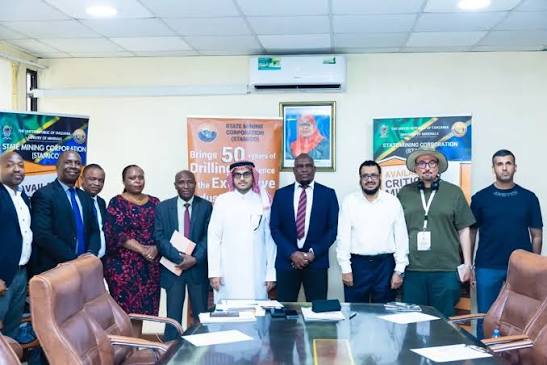
- Saudi Arabia and Tanzania pledge to deepen bilateral trade ties
- Tanzania rewrites its digital investment playbook
- Ethical sourcing boosting demand for Tanzania organic cotton
- DRC deploys 70,000 Ebola vaccine doses in high-stakes trial against deadly Bundibugyo strain
- Kenya’s private sector optimistic on growth despite inflation and geopolitical risks
- AfDB and Standard Bank ink $332 million social bond deal to fund South African SMEs


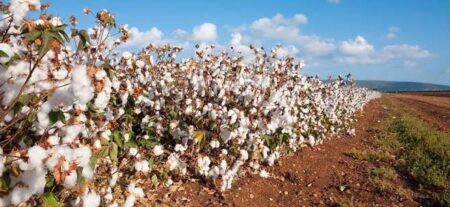
Tanzania organic cotton gaining global market interest. Growing call for ethical sourcing is boosting demand for Tanzani cotton. Tanzania is looking to increase cotton…
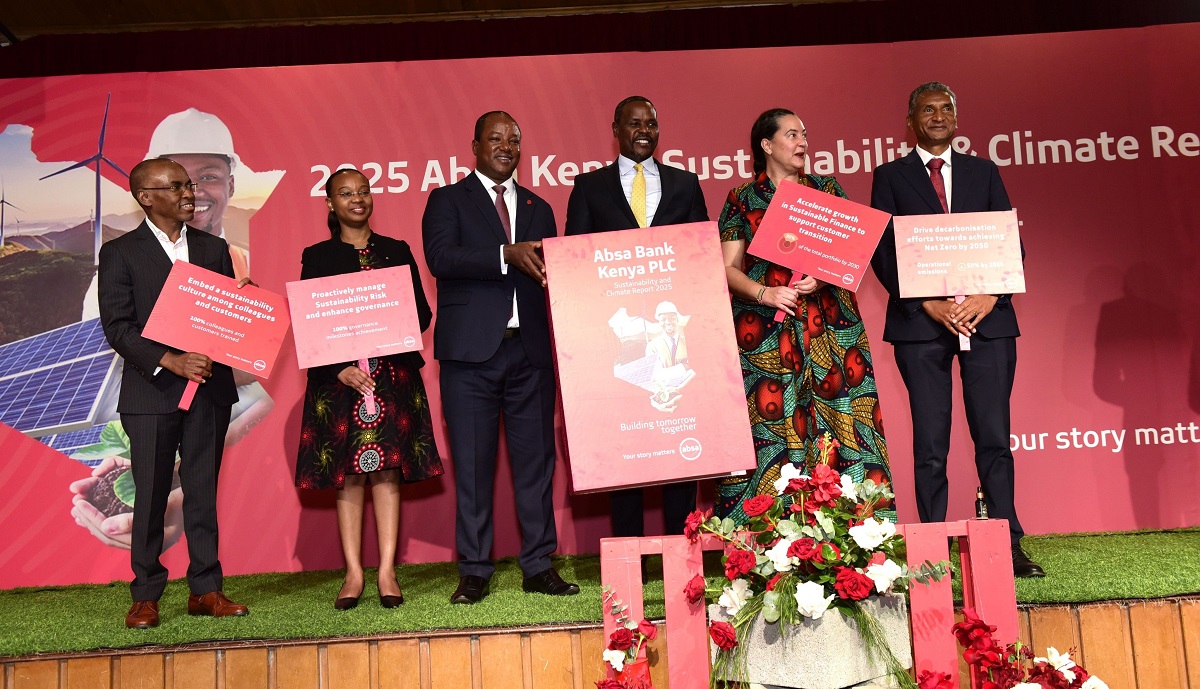
Banks across Africa investing heavily in AI. Private sector required…
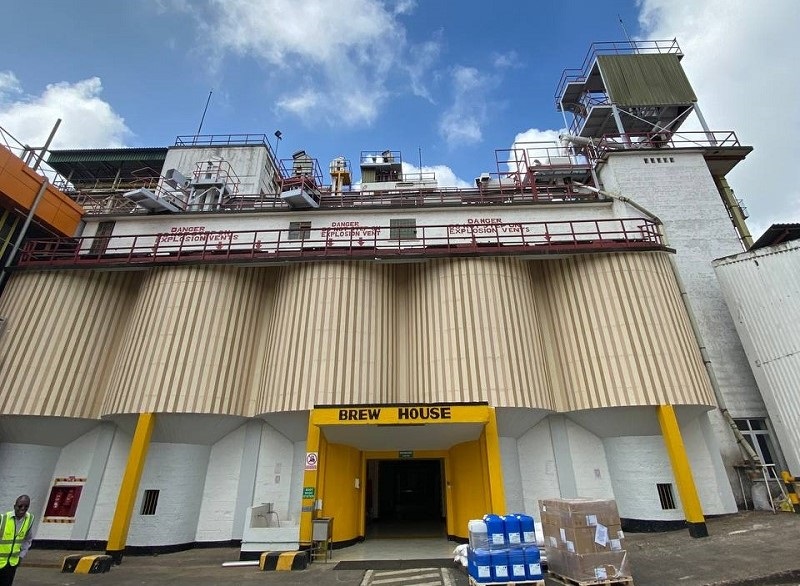
While Diageo’s global profit fell 27.2% to $3.16 billion in…

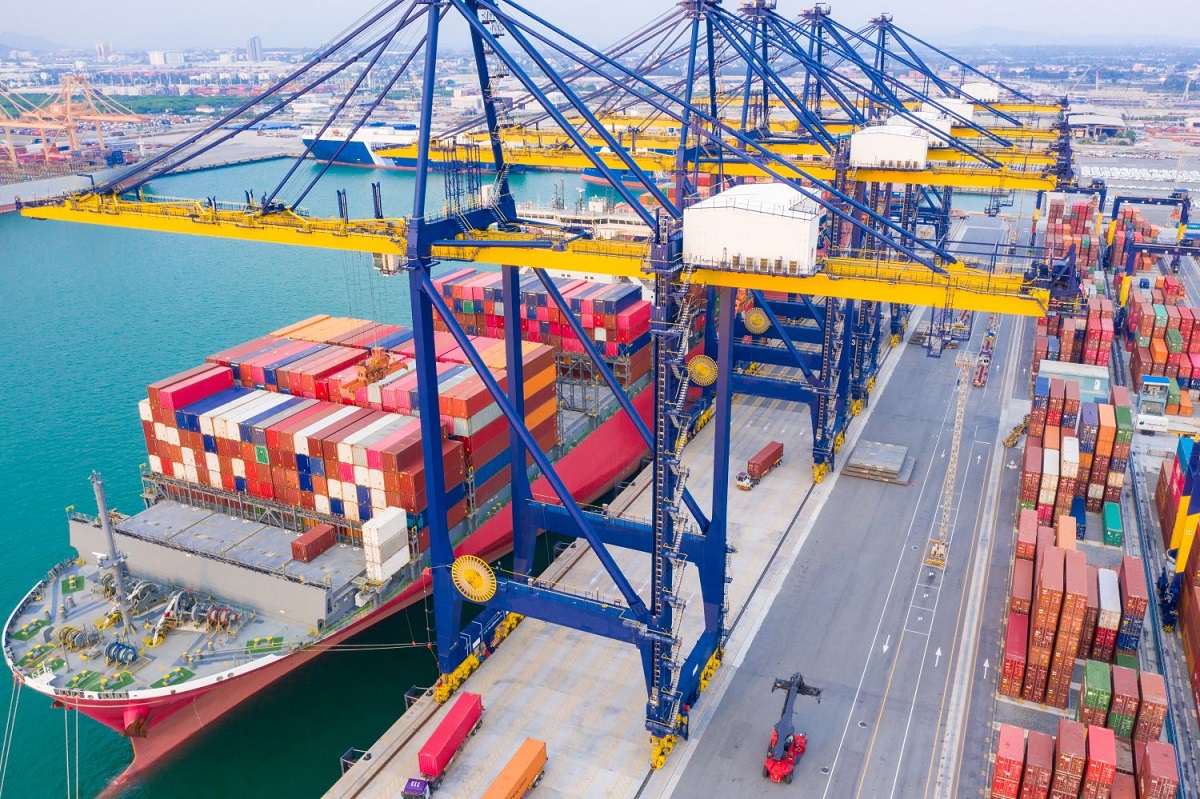


In recent years, Africa has emerged as a promising destination for global investment, with its vast natural resources, expanding consumer markets, and growing middle class. As the continent’s economies continue to strengthen and diversify, global players increasingly recognise the potential for mutually beneficial partnerships. The United States has significantly contributed to Africa’s economic transformation among these partners.
Coconut remains one of the most important and useful palms globally. The global coconut products market could reach $31.1 billion by 2026. This follows its increasing use in food, beverage, cosmetics, and other industries. There are opportunities in the global coconut industry for the African government and the private sector to explore and earn foreign exchange.
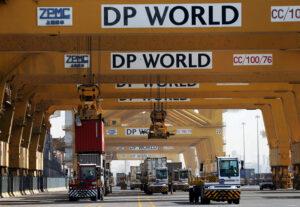
In the past 10 years, DP World has solidified its presence in over 40 countries,…

There are two ways in which miners extract rare earths. Both methods are dangerous to…

From ports to railways, Tanzania’s investment in infrastructure is on the rise post-pandemic. Tanzania is…
Mauritania, Senegal, The Gambia, Guinea-Bissau and Guinea-Conakry emerge as top destination for huge oil and…