Trending
- African trade is growing despite the obstacles
- Why global capital is betting big on Africa’s digital promise
- Kenya posts stronger-than-expected Q1 growth at 5.3% on manufacturing rebound, tourism boom
- China’s new investment rules are about guardrails, not closed doors
- Zanzibar optimistic economic growth will hit 7.5% on tourism boom
- Kenya defies economic shocks to post record $22 billion in tax collections
- Forget South Africa: East Africa now rules in banking industry returns
- Lamu over Tanga: The commercial calculus that cost Tanzania $20bn refinery


Project Management Institute’s recent Talent Gap report shows 2.3 million…
Vodafone Group developed a business tailor-made to deal with Africa’s…
The multi-phase project will provide water to the Gauteng region of South Africa and generate…
Immediate action is needed to respond to the severe drought that is ravaging communities in…
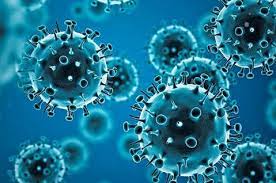
This amount of vaccines may sound considerably large but in reality its not, its actually only enough to vaccinate a mere 17 per cent of the population and that is way below the intended global year-end target of vaccinating 40 per cent of Africa’s population.
As such, this shortfall in vaccine doses is worsened by the misconceptions that are keeping the public from usurping even the few doses that have made it into the continent. Falling short of explaining why, the World Health Organization (WHO) warns that the COVAX facility has been forced to reduce the amount of planned vaccine deliveries to Africa.
According to the WHO, some 150 million vaccines that were intended for delivery to Africa this year will not make it. As a result, the continent is facing a shortage of more than 500 million doses.
The full blossom of the African girl child still has miles to go, with many girls…
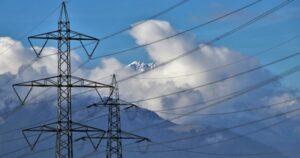
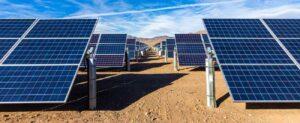
Uganda’s Minister of Energy and Mineral Development, Ruth Nankabirwa, urged the project beneficiaries to take advantage of the government’s free electricity supply policy it rolled out in 2018, provided wiring of their premises had been certified.
The Bank’s Country Manager, Augustine Kpehe Ngafuan, noted that besides promoting small and medium businesses, the availability of stable power would bolster service delivery, especially at health centres.
Special Drawing Rights (SDRs) are a reserve asset created by the International Monetary Fund (IMF) to supplement its member countries’ reserves.
According to the IMF’s website, a total equal to US$943 billion in SDRs has been allocated to date from the time they were created in 1969. This figure is inclusive of the SDR456 billion approved on the 2nd of August 2021. This most recent allocation was made necessary by the need to help countries around the world to cope with the effects of the COVID-19 pandemic. The value of the SDR is based on a basket of five currencies which include: the US dollar, the euro, the Chinese renminbi, the Japanese yen, and the British pound.