

Trending
- Silicon Valley’s Tim Draper backs Nairobi blockchain festival, sees Africa as next digital frontier
- Dangote breaks ground on $16bn Lamu refinery as East Africa seeks fuel independence
- Gulf and African states meet in Dar to rewrite rules of labour migration
- African governments drive new forest finance progress as global report warns funding globally must scale faster
- Fine Spinners eyes Kenya’s Agoa-backed apparel supply chain with $5m plant
- Why young Kenyan investors need to stop treating the stock market like a betting slip
- Tanzania tax reforms mandate VAT refunds to under 30 days
- In New York, world leaders unveil plan to overhaul global health architecture



Kenya’s forex reserves dipped to $6.2 billion on May 19, an eight-year low, before a slight improvement to $6.4 billion on May 26. At…

According to SWIFT, African regions with strong integration saw increased use of local currencies and decreased use of hard currencies such as the US dollar. For instance, the use of the West African franc by the eight countries in the West African Economic and Monetary Union has overtaken the South African rand and the British West African pound.
This implies that boosting the use of regional currencies will shield the African trade market from adverse global conditions associated with the performance of US dollars. However, further regional coordination remains necessary to build a continental payment system that encourages the use of local correspondent banks and local currencies. These moves can help in managing currency depreciation to boost African trade finance.
Into a menacing economic quick sand African economies have been…



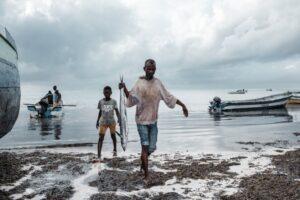
Africa’s blue economy prospects What if Africa could farm its oceans and reap benefits from…

No family wants to be stuck in their home and yet starve due to food…

The central bank of Tanzania (BoT) has painted the state of the economy on a different canvas. BoT’s economic bulletin…

What is Tanzania without the Serengeti? One cannot mention Tanzania’s beauty without alluding to the amazing landscapes of Mikumi or the exhilarating hiking…

Africa is great and can be greater if its potential is harnessed strategically. This comes…
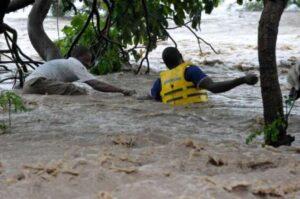
African cities are prone to flood damage, which can be widespread leaving hundreds homeless, communities and economic systems destabilized and infrastructures costing millions to build, destroyed.
All these issues factor in an uncomfortable reality that African communities cannot afford. According to a 2018 publication by The Conversation, floods cost Tanzania up to $2 billion annually, while tracing back to 2012, Nigeria—Africa’s top economy suffered its largest floods in the century which wiped out assets worth nearly $10 billion.