Trending
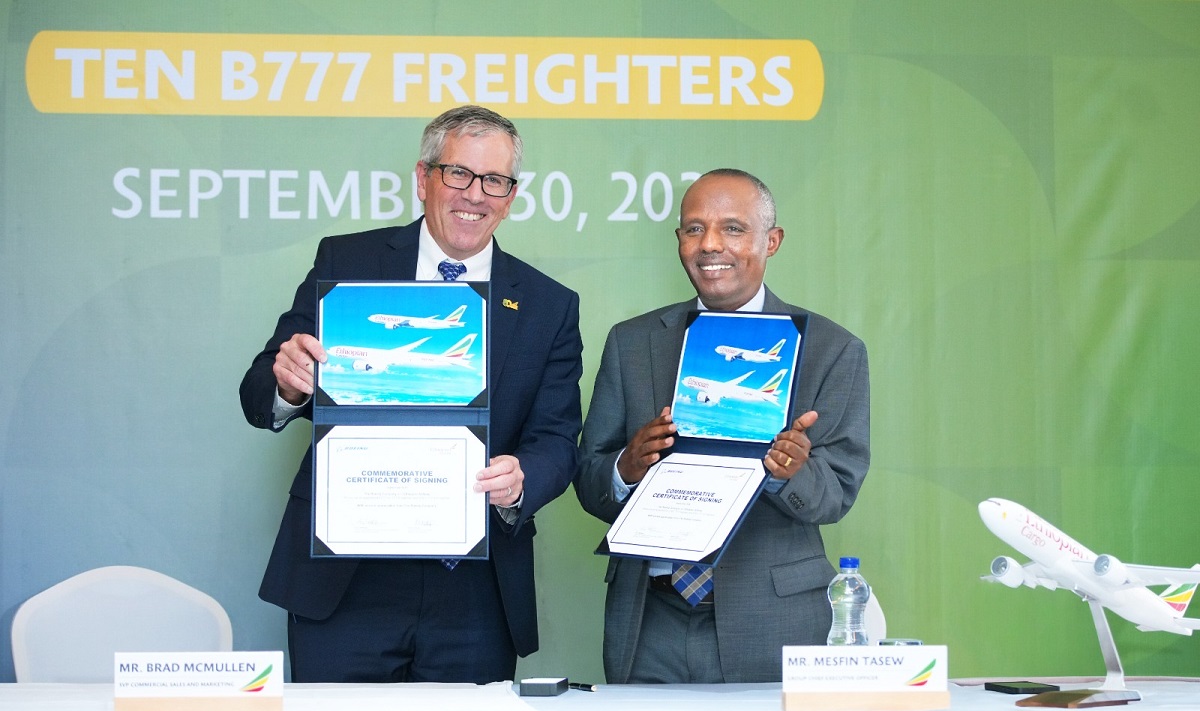
- Ethiopian Airlines bets big on Boeing freighters in $5 billion cargo fleet expansion
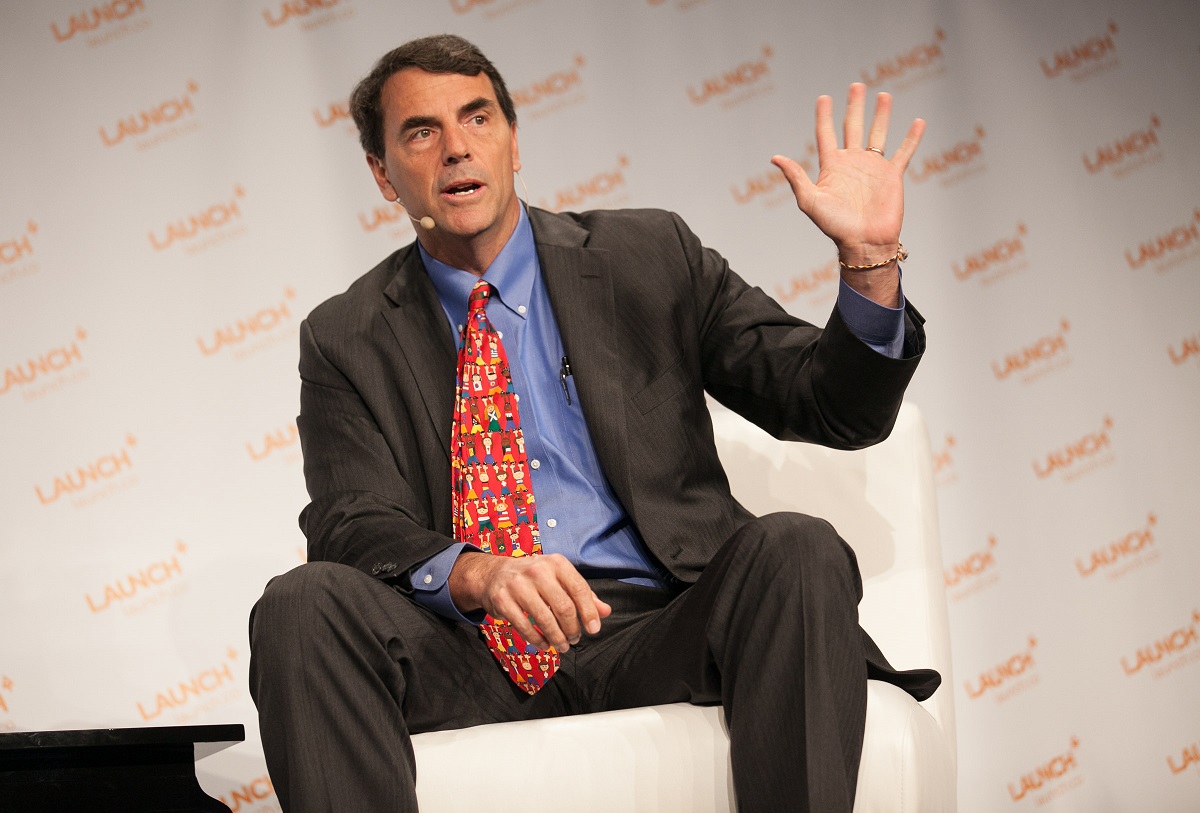
- Silicon Valley’s Tim Draper backs Nairobi blockchain festival, sees Africa as next digital frontier
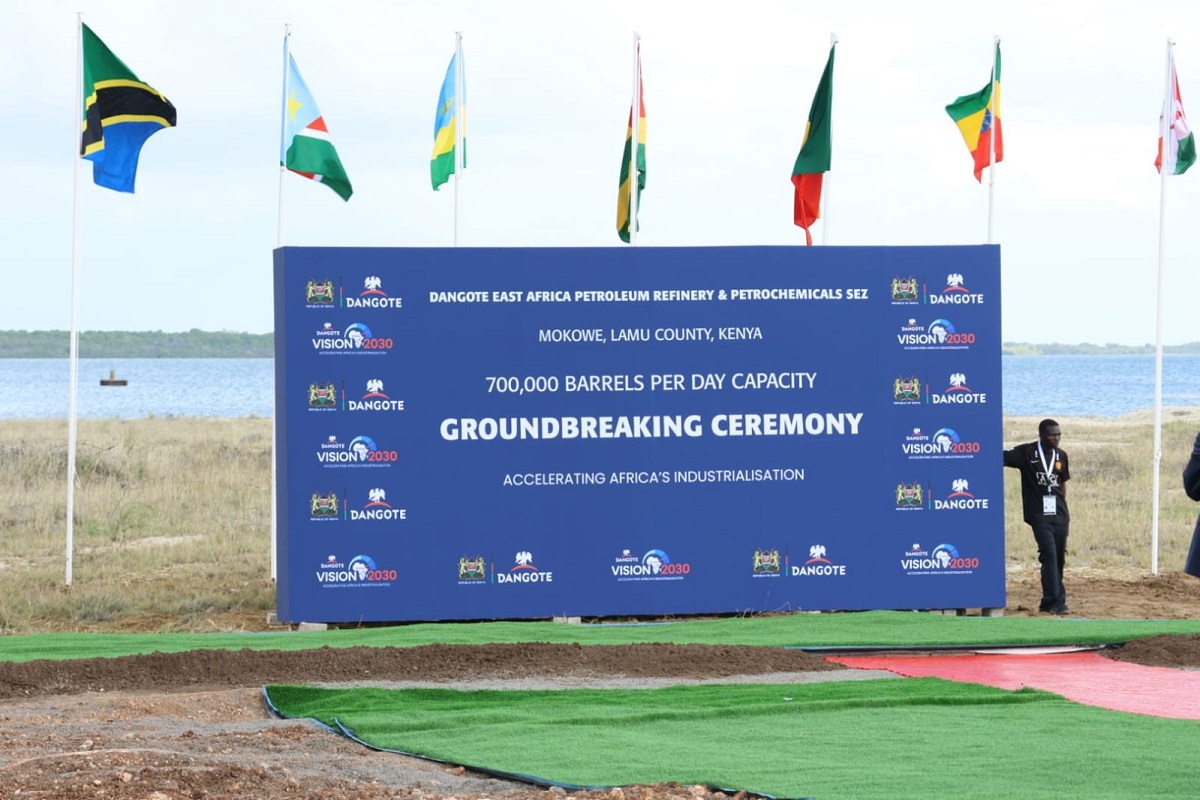
- Dangote breaks ground on $16bn Lamu refinery as East Africa seeks fuel independence
- Gulf and African states meet in Dar to rewrite rules of labour migration
- African governments drive new forest finance progress as global report warns funding globally must scale faster
- Fine Spinners eyes Kenya’s Agoa-backed apparel supply chain with $5m plant
- Why young Kenyan investors need to stop treating the stock market like a betting slip
- Tanzania tax reforms mandate VAT refunds to under 30 days


Browsing: Africa
Agriculture is contributes 23 percent of African GDP, Mckinsey 2019 At least 43.8 percent of people are employed in the…
The war in Ukraine has had intended and unintended casualties in and around Ukraine and world over. The Russo-Ukrainian has…
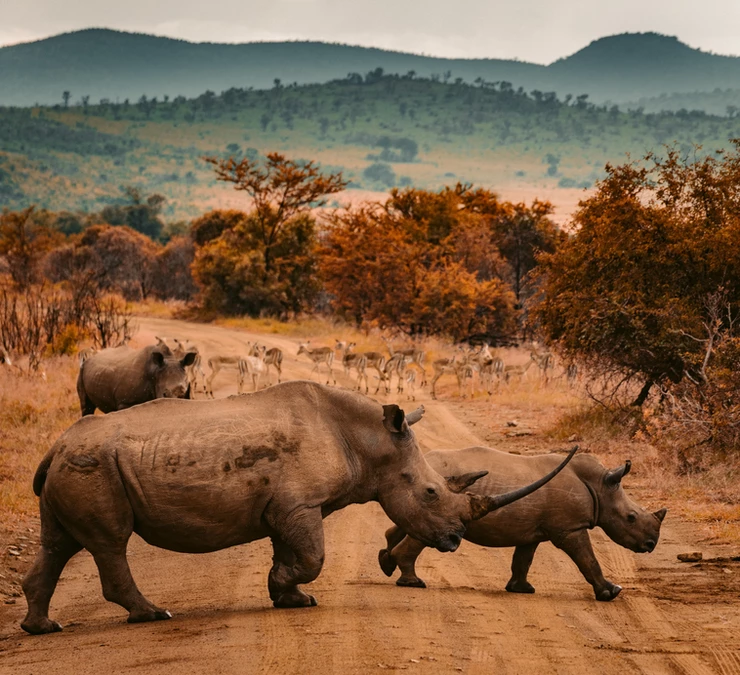
The effects of climate change and anthropogenic factors have adversely affected the availability of water for wildlife in Tanzania National…
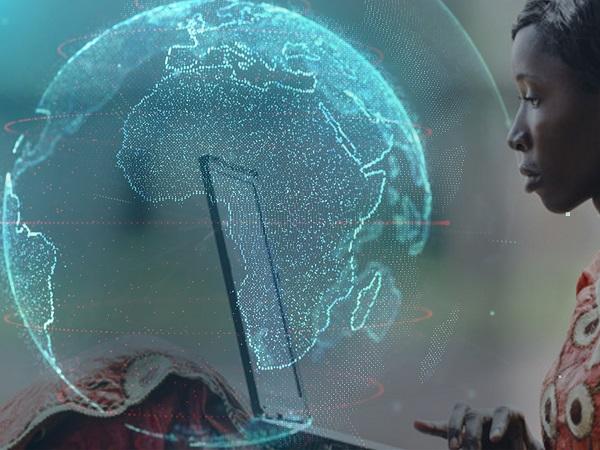
Many, if not all, emerging markets have relaxed the regulations and restrictions related to FDI to encourage global investors to the continent.
The Business Insights on Emerging Markets 2021 also reported that the foreign direct investment in the emerging markets jumped from 15 per cent to 46 per cent over the last two decades.
The wave of technological advancements integrated with digitalization has captivated the globe and benefited the global economy in many unexpected ways. Developing countries in Africa need to embrace the fast pace technological revolution, which shall revamp the markets in the continent.
Emerging markets have been very active in creating the digital infrastructure for technological innovations accelerated by the onset of the Coronavirus pandemic.
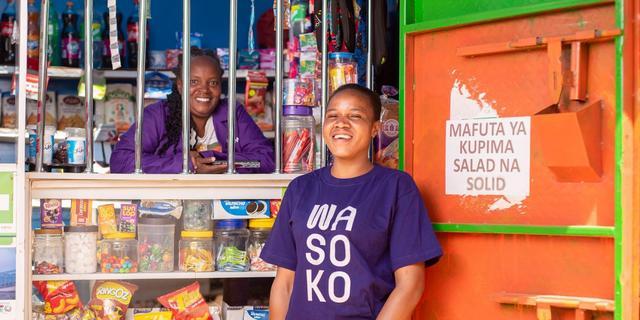
“Sokowatch started as this kind of backend brand. We wanted a brand that could be more front and centre for the African retailer and easily pronounced across all markets while reflecting our East African roots. So that’s why we’ve rebranded now to Wasoko, meaning ‘people of the market,” Yu said.
The seven-year-old company said this round of funding will go towards exploring expansion into Nigeria as well as Southern Africa while consolidating its position across its six current markets.
It will also make hires and expand its product offerings to point-of-sale merchant systems, bill payments and social commerce, verticals it might build in-house or back and acquire companies that provide such services.
The company also offers a buy now, pay later option for retailers who need working capital to order more goods. Buy now, pay later offerings are the latest trend for B2B retail and e-commerce companies. They see it as a sticky option in an otherwise volatile space where retailers aren’t committed to one player, given non-differential offerings.

A report by The Women in Tech Africa Summit 2019 showed that despite receiving 50 per cent less venture capital funding, global technology firms led by female entrepreneurs typically achieve a 35 per cent higher return on investment than those managed by men.
In the first half of 2021, African startups raised US$1.19 billion. However, female CEOs raised just 14 per cent of the financing, up from 2 per cent for the same period in 2020.
The African Development Bank puts the funding gap for women entrepreneurs in Africa at US$42 billion.
This should encourage more investors to take a gamble on women-led businesses in Africa’s tech space as they offer promising returns.
Women in tech on the continent not only drive significant development in the African tech space, but they also simultaneously inspire young girls venturing into tech across the continent to do the same.
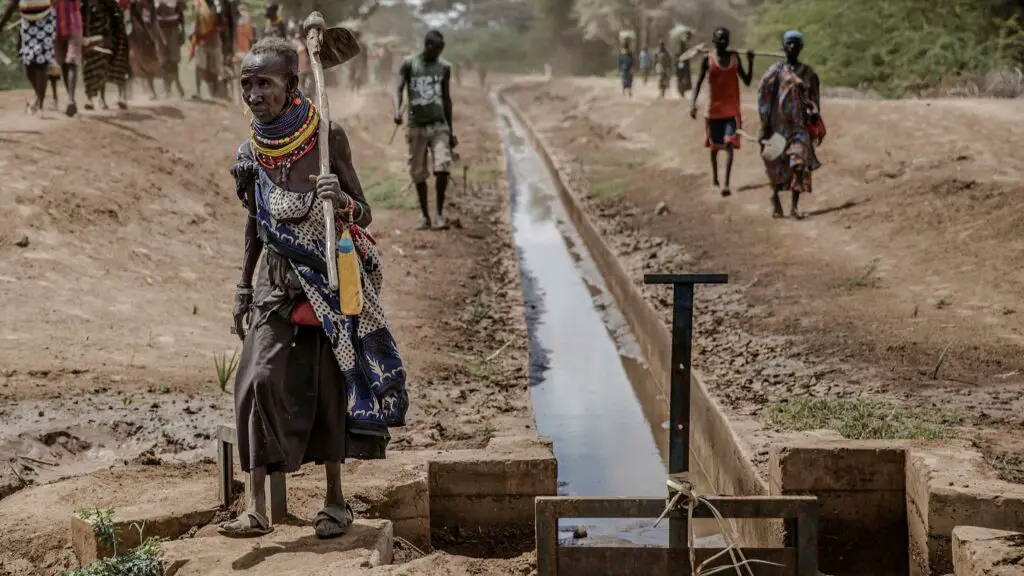
Climate change in Africa costs a lot, and climate extremes hit the region hardest. Between 2014 and 2018, roughly $5…
While Russia’s preferred visions and modes of action in the Maghreb seem to be fairly well identified, the perceptions and expectations, but also the possible reservations on the Maghreb are more rarely expressed by the leaders of these countries and little-studied at the academic level.
Perhaps we should look at this, as far as the powers that be are concerned, a concern for discretion regarding the sensitive aspects of this foreign policy component – this is particularly true for Algeria – an area on which they generally communicate little and for the academic research community in North Africa, a lack of knowledge related to the history, geography and culture of contemporary Russia.
If there is undoubtedly, on the Maghreb side and with important nuances from one country to another, a manifest interest in a development or a deepening of the partnership with Moscow, questions may remain about Russia’s objectives, especially in Rabat and Tunis.
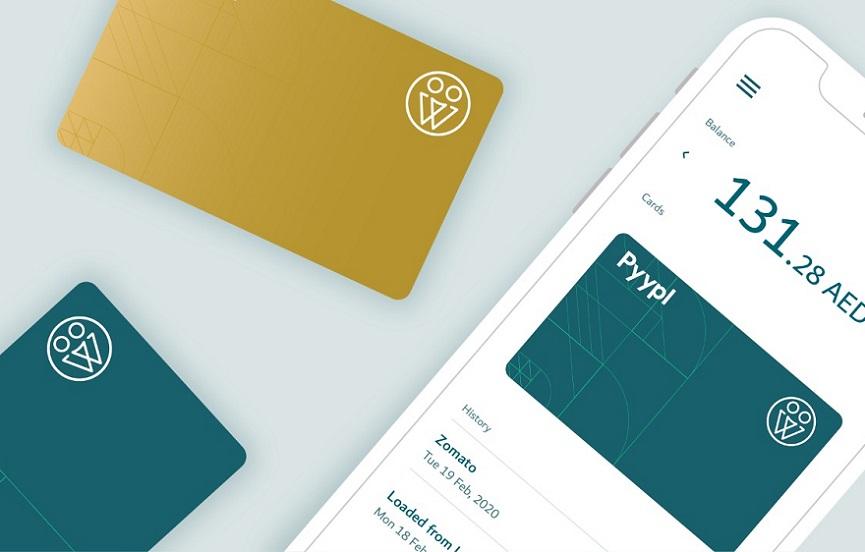
Pyypl uses advanced Artificial Intelligence (AI) and Machine Learning (ML) for regulatory compliance, Anti Money Laundering (AML), and Counter-Terrorism Financing (CTF).
The platform also conducts real-time Politically Exposed Persons (PEP) and sanctions (both country and individual) screening against the latest and historical UNSC, USDT, FATF, OFAC, and EUCFSF records, as well as all local databases.
Fintech startups in Africa have continued to gain a lot of attention from investors who have been pouring billions of dollars to support the industry.
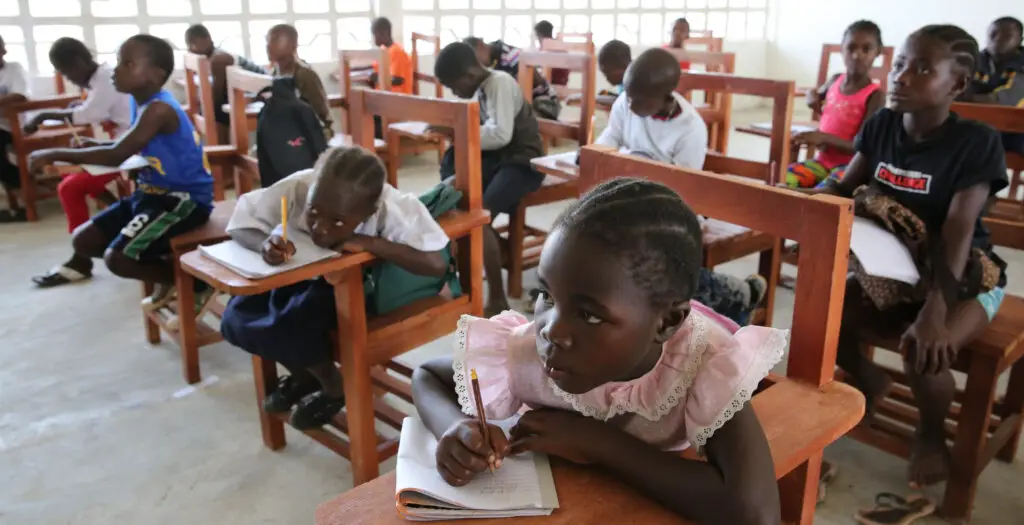
Learning poverty is costing African young learners dearly Median international school fees in Africa span from US$4000 to US$10000 in…