Trending
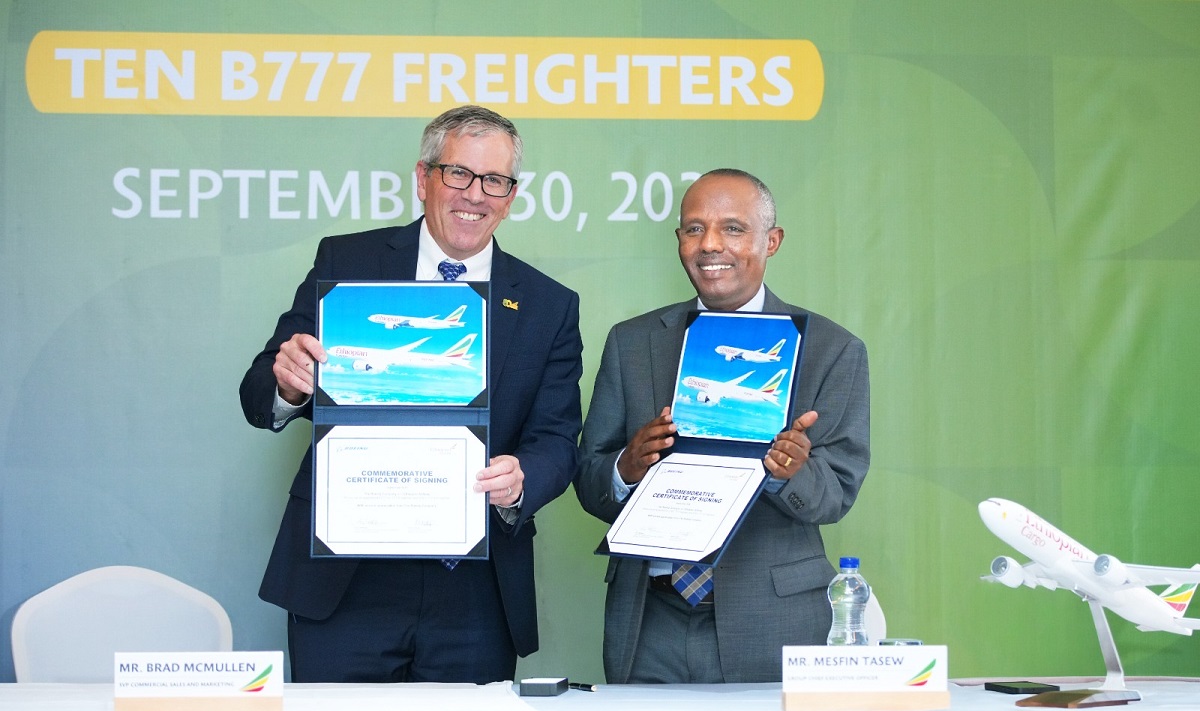
- Ethiopian Airlines bets big on Boeing freighters in $5 billion cargo fleet expansion
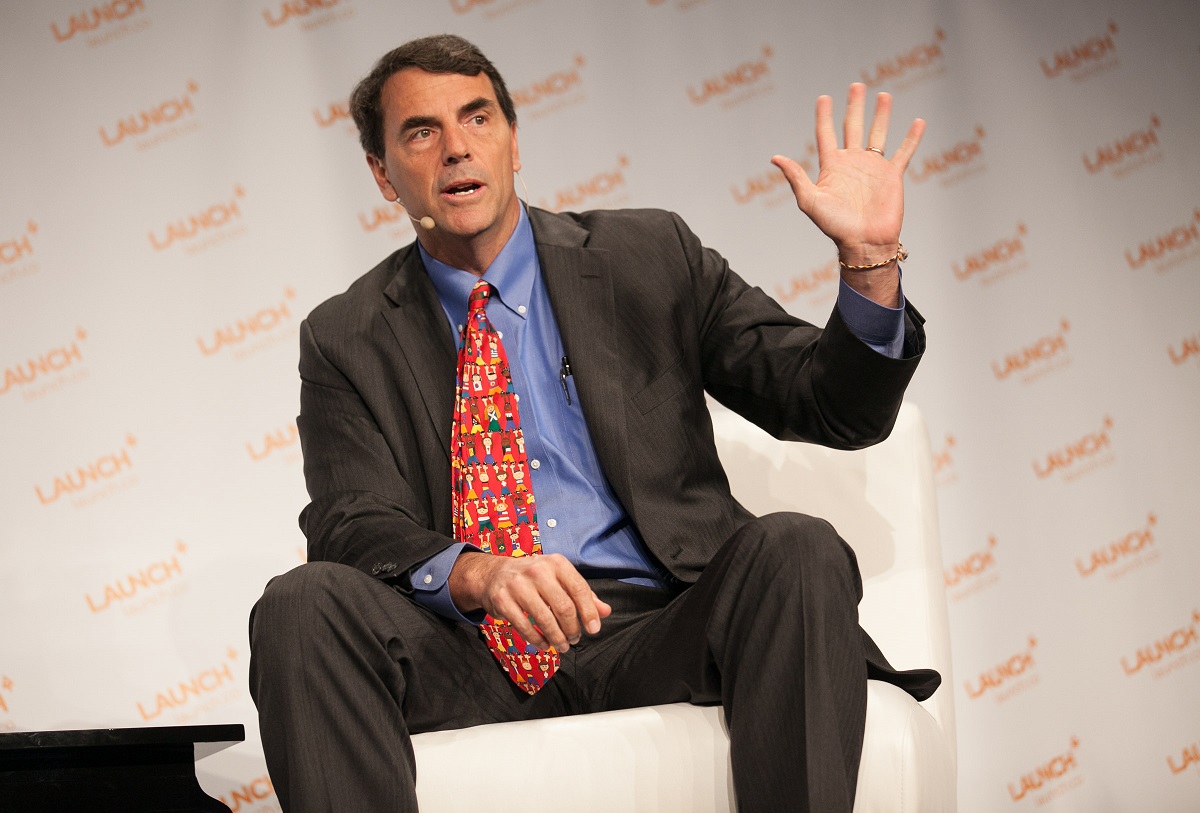
- Silicon Valley’s Tim Draper backs Nairobi blockchain festival, sees Africa as next digital frontier
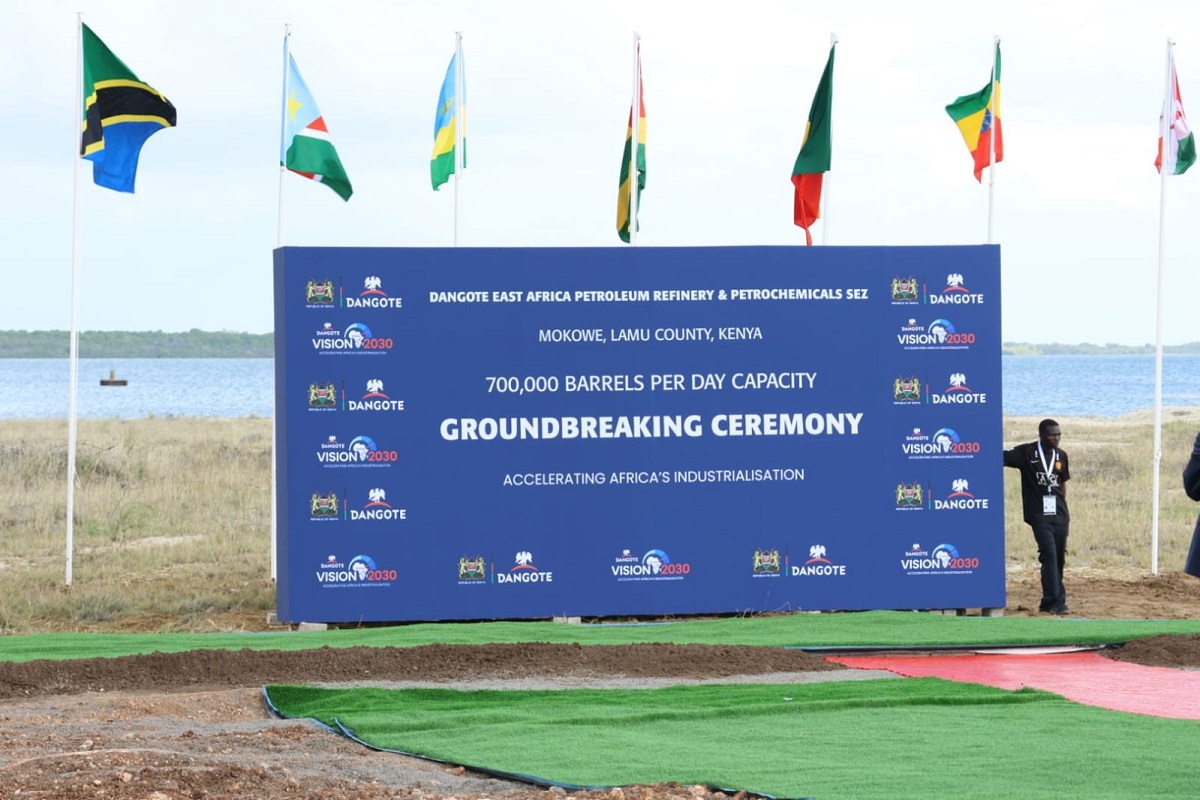
- Dangote breaks ground on $16bn Lamu refinery as East Africa seeks fuel independence
- Gulf and African states meet in Dar to rewrite rules of labour migration
- African governments drive new forest finance progress as global report warns funding globally must scale faster
- Fine Spinners eyes Kenya’s Agoa-backed apparel supply chain with $5m plant
- Why young Kenyan investors need to stop treating the stock market like a betting slip
- Tanzania tax reforms mandate VAT refunds to under 30 days


Browsing: Africa
So now the government through its Ministry for Agriculture has decided to take action to increase domestic production of edible oils. To do this, the government has developed several strategic approaches including upgrading peasant technology.
This initiative fits into the country’s overall industrialization initiative that targets mainly agricultural mechanization. By increasing funding for the set up of factories and smaller production plants, Tanzania is able to increase its output of edible oils.
However, the country needs to increase seed production hand in hand with increasing its value chain capacity. This is where the Tanzania Agricultural Research Institute (Tari) based in Dar es Salaam comes in. A globally-renowned research institute that develops hybrid seeds among other agricultural research works.
Taking into account the 2022 International Day of Women and Girls in science; it’s imperative to assess the state of Africa’s water security which needs to be urgently addressed.
Africa is bearing the brunt of the climate change crisis, yet had no hand in its creation only contributing a paltry 4 per cent of the global greenhouse gas emissions; spelt by the numerous natural disasters from floods, drought and famine, locust infestation to tropical cyclones, which have put significant water stress in the continent.
In a series of initiatives, African leaders are spearheading strategies for resolving the quandary pertinently its impact on Africa’s water security and sanitation. Nearly 63 per cent of urban areas in Sub-Saharan Africa lack access to basic water and sanitation.
Apart from the absence of a public strategy for the continent, there is a lack of coordination among various state and para-state institutions working with Africa.
Despite the growth of external players’ influence and presence in Africa, Russia has to intensify and redefine its parameters. Russia’s foreign policy strategy regarding Africa has to spell out and incorporate the development needs of African countries.
Unlike most competitors, Russia has to promote an understandable agenda for Africa: working more on sovereignty, continental integration, infrastructure development, human development (education and medicine), security (including the fight against hunger and epidemics), normal universal human values, the idea that people should live with dignity and feel protected.
Africa’s creative digital economy, which includes music, film, art, fashion, cultural artefacts, apps and games is not only creating wealth for the creators but also contributes to the gross domestic product, exports and boosting development outcomes according to the United Nations Conference on Trade and Development (UNCTAD).
“The creative economy is recognized now as a tool of sustainable development,” says Marisa Henderson, Chief of the Creative Economy Program at UNCTAD. UNCTAD defines this “creative economy” aka “orange economy” as the sum of all the parts of the creative industries, including trade, labour, and production.
They have tracked trade in creative goods and services for close to twenty years and consistently found that the growth rate of creative economy exports outpaces that of other industries[11]. Africa’s cultural goods sector is estimated to employ about half a million people and generate US$4.2 billion in revenue[12].
Findings show that increasing costs in every market due to a year of supply disruption did not deter data centre demand in most markets including Nairobi and Johanessburg.
The two African capitals were among 44 other locations that were surveyed.
According to the study, despite the negative impact of the coronavirus pandemic, demand remained relatively steady when compared to other industries owing to governments’ decisions to make working and schooling from home mandatory.
Data by the World Bank Group reveals that Kenya’s electrification rate currently stands at 70 per cent Easing the financial…
Norrsken22 plans on capitalizing on its general partners’ years of experience and investment philosophies to back startups in fintech, MedTech, Edtech, and market-enabling solutions such as B2B marketplaces and inventory management businesses.
Kolbe, whose previous firm Actis backed Egyptian fintech giant Fawry in 2019 as it prepared to go public, said Norrsken would look at Egypt ‘opportunistically.’
Deals from the country that may be of interest to the firm will be those planning an expansion into the four markets Norrsken22 is currently keen on, including Nigeria, Ghana, Kenya and South Africa.
Since the advancement of the standard of living, most parts of the world have experienced a relatively rapid population growth…
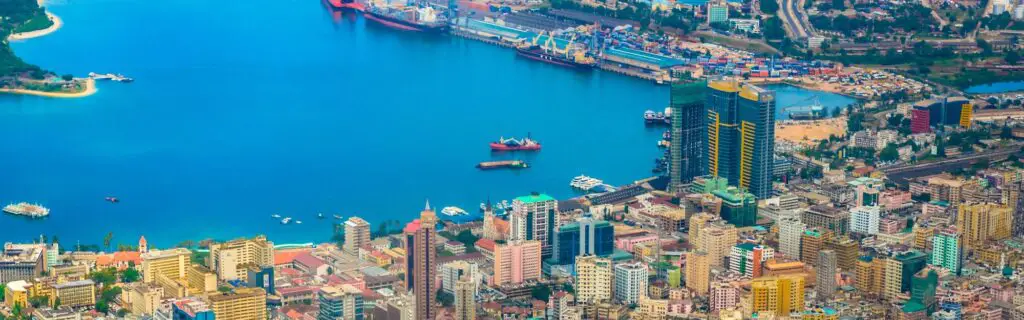
The RoRo, along with the ramp and terminal were completed as of March 2021 after three years of dedicated construction works. With its completion, vehicles can now be driven, not carried, off the ship.
With this development, large vessels that took up to four days to offload and turn around now take only 17 hours to offload, that is say, an average of three vehicles per minute offloaded per minute.
The terminal is also a major game-changer because instead of driving two km in search of parking, vehicles can now be parked in the spacious berth with a handling capacity of 3,000 vehicles at a time.
When exports receipts increase it means from the definition given that the country that pursues this strategy will find itself in the desired position where it earns more than it spends.
This in the long run will lead to the country becoming less reliant on balance of payments support from multilateral lenders and repaying its debt obligations.
For a country like Zimbabwe, it is imperative that the southern African country pursues this strategy as the increased foreign exchange receipts will provide desperately needed foreign currency and monetary stability.